A beef brisket slow cooker recipe can turn a tough, tightly packed cut into tender, sliceable meat with very little hands-on work. In this guide you will learn how to pick the right brisket, trim and season it, set up your slow cooker, judge doneness, and finish the meat so it stays juicy. Whether you are cooking a flat, a point, or a whole packer, the method below works with a standard countertop slow cooker and a few basic tools.
Why a Slow Cooker Works for Brisket
Brisket is a working muscle from the chest of the animal, full of connective tissue, mainly collagen. That collagen needs sustained moisture and low heat to break down into gelatin, which is what makes the meat feel silky instead of chewy. A slow cooker holds the temperature in a gentle range for many hours, so the collagen converts slowly without the surface drying out. The sealed lid also traps steam, which keeps the environment humid.
Shopping for one? See our guide: 5 Best Slow Cooker Brisket Fall-Apart Tender Options in 2026.
The trade-off is that a slow cooker will not give you a smoke ring or a bark, the dark crust that forms on a smoker or in a very hot oven. If you want that, you can finish the brisket under the broiler or in a hot oven after cooking, which is covered later. For a dependable, hands-off result, though, the slow cooker is hard to beat.
Choosing the Right Brisket
Brisket is sold as a whole packer, which includes two muscles: the flat and the point. The flat is leaner and more uniform, which makes slicing easier. The point has more marbling and fat, and it is the choice for shredded or chopped beef. Many home cooks buy a flat because it fits a slow cooker more neatly.
- Flat cut: Rectangular, even thickness, about 3 to 5 pounds. Best for sliced brisket.
- Point cut: Thicker, fattier, and irregular. Best for pulled or chopped beef.
- Whole packer: Both muscles together, usually 10 to 16 pounds. Too large for most slow cookers unless you cut it down.
Look for a piece with a fat cap of about a quarter inch, and avoid cuts with large dry or grayish patches. Marbling inside the meat helps keep it moist.
Gear and Ingredients You Will Need
- A slow cooker of at least 6 quarts, so the meat fits without folding over itself.
- A sharp boning or chef’s knife for trimming.
- Kosher salt and coarse black pepper, or a simple beef rub.
- Aromatics such as sliced onion, garlic, and carrots to build a base.
- About 1 cup of beef broth, or a mix of broth and a splash of Worcestershire.
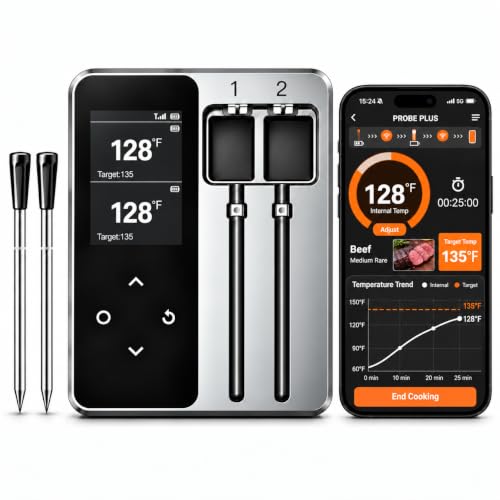
- An instant-read thermometer.
- Foil or parchment for resting, and a cutting board with a groove.
Step-by-Step: Preparing the Brisket
Trim the Fat Cap
Set the brisket fat side up. Trim the hard, thick fat down to about a quarter inch. Leave the fat in place; it bastes the meat as it cooks. Remove any silver skin and loose hard pieces that will not render.
Season Generously
Pat the meat dry. Coat all sides with kosher salt, roughly 1 tablespoon per pound, and season with coarse black pepper. If you use a rub with sugar, keep the sugar light, because it can scorch on the bottom of the pot over long cooks. Let the seasoned meat rest in the refrigerator for at least 4 hours, or overnight, so the salt penetrates.
Build a Braising Base
Scatter sliced onions and smashed garlic across the bottom of the slow cooker. This keeps the brisket off the direct heating surface and adds flavor to the liquid. Pour in 1 cup of beef broth. You want enough liquid to create steam, not enough to submerge the meat.
Cooking Times and Temperatures
Set the slow cooker to LOW for the most reliable texture. Most cookers run around 190 to 200°F on low, which is ideal for collagen breakdown. HIGH settings run hotter and can make the outside of the meat tough before the center is ready.
| Brisket Weight | Setting | Approximate Time | Target Internal Temp |
|---|---|---|---|
| 3 to 4 lb flat | LOW | 8 to 10 hours | 195 to 203°F |
| 4 to 6 lb flat or point | LOW | 10 to 12 hours | 195 to 203°F |
| 6 to 8 lb point | LOW | 12 to 14 hours | 200 to 205°F |
These are estimates. Every slow cooker runs a little differently, and brisket thickness varies, so start checking early.
Check for Doneness
Begin probing about an hour before the earliest estimated finish time. Insert the thermometer into the thickest part of the meat. The probe should slide in and out with almost no resistance, similar to a stick of softened butter. Temperature alone is not the full story; texture is the real test.
Resting and Slicing
Lift the brisket out gently, using two spatulas or a sturdy sheet of foil under it, since it will be fragile. Wrap it in foil and rest it on a board for at least 30 minutes, or up to an hour, wrapped in a towel inside a cooler if you need more time. Resting lets the juices redistribute.
For sliced brisket, cut across the grain. On a flat, the grain runs in one direction across the thickness; find it by looking at the visible muscle fibers and cut perpendicular to them. Slice about a quarter inch thick. For point cuts, pull or chop the meat instead.
Finishing and Serving Options
If you want a browned crust, transfer the sliced or whole brisket to a foil-lined pan, spoon some cooking liquid over it, and broil on the top rack for 3 to 5 minutes, watching closely. You can also brush on a glaze during the final few minutes.
Strain the cooking liquid, skim the fat, and reduce it on the stove for a few minutes to make a simple jus. Spoon it over the slices before serving.
Tip: Brisket keeps well. Store sliced meat in its juices in the refrigerator for up to 4 days, and reheat gently covered with a little liquid.
Common Mistakes
- Cooking on HIGH to save time. The outer layers tighten and the texture suffers. LOW is almost always better.
- Lifting the lid often. Each time you open it, heat escapes and the cook time extends. Check only when needed.
- Too much liquid. Brisket releases its own juices. Drowning it produces a boiled, grayish flavor.
- Slicing too soon. Cutting straight out of the pot lets juices run out onto the board.
- Slicing with the grain. Long fibers make every bite feel stringy.
- Skipping the resting salt step. Surface seasoning alone does not reach the center of a thick cut.
Tips for Better Results
- Sear the brisket in a hot pan before it goes into the cooker for extra color and flavor, though this step is optional.
- Add a bay leaf, a tablespoon of tomato paste, or a few peppercorns to the braising liquid for depth.
- Use the leftover cooking liquid to make gravy, French dip sauce, or a base for beef chili.
- If your slow cooker runs hot, check it with a thermometer in a jar of water once to learn its real low setting.
FAQ
Can you cook a frozen brisket in a slow cooker?
It is not recommended. A frozen cut spends too long in the lukewarm range where bacteria can multiply. Thaw brisket fully in the refrigerator, which can take one to two days for a large piece, before cooking.
Should I add liquid to a slow cooker brisket?
A small amount, about 1 cup, is usually enough. The meat releases its own juices, and too much liquid dilutes the flavor and makes the texture soggy.
Why is my slow cooker brisket tough?
The most common reasons are undercooking, cooking on HIGH for too short a time, or slicing against the grain. Try cooking longer on LOW and checking texture rather than relying on the clock.
Do I need to remove the fat cap?
No, but trim it to about a quarter inch. A thick fat layer can make the final dish greasy, while a thin layer bastes the meat well.
Can I cook brisket with the lid cracked?
Keep the lid closed for most of the cook. Venting can dry out the top layer. If you want extra firmness on the surface, you can finish under the broiler instead.
What internal temperature is brisket done?
Most brisket is tender between about 195 and 205°F. Use the probe test: the thermometer should slide in with little resistance. Always follow your local food safety guidance for handling leftovers.
How long can I keep leftover brisket?
Refrigerate it within two hours of cooking and use it within about four days. Reheat to 165°F before serving.
Conclusion
A beef brisket slow cooker recipe rewards patience more than skill. Choose a flat or point cut, season it well ahead of time, cook it low and slow, and rest it before slicing against the grain. Trust the probe and the texture over the clock, and your brisket will come out tender, juicy, and ready to serve.
Related reading
- Is Brisket Beef or Pork? Key Differences Explained (2026)
- How to Cook Beef Brisket: A Step-by-Step Guide for Beginners
- How to BBQ Different Beef Cuts: From Brisket to Ribeye
- Easy 3 Ingredient Crock Pot Beef Brisket Recipe: Steps and Tips
- Beef Brisket Recipe Oven: Step-by-Step Guide for Tender Results