As an Amazon Associate we earn from qualifying purchases. This page may contain affiliate links.
An easy 3 ingredient crock pot beef brisket recipe needs only a beef brisket, a packet of dry onion soup mix, and a liquid such as beef broth. You rub the seasoning onto the meat, add the broth, and let the slow cooker do the work for 8 to 10 hours on low. The result is fork-tender beef that slices or pulls easily, with a savory onion-and-beef gravy you can spoon over the top. This guide covers what to buy, how to set up the pot, how to tell when the brisket is done, and the mistakes that most often lead to dry or stringy meat.
What Makes This Method Different From Smoked Brisket
Slow cooker brisket is a braise, not a smoke. You won’t get the dark bark or smoke ring that comes from a offset smoker or pellet grill, and the flavor comes mostly from the seasoning and the cooking liquid. If you want that classic smoked profile, a separate guide on How to BBQ Different Beef Cuts: From Brisket to Ribeye walks through the cuts and methods that suit a smoker. The crock pot version is the better choice when you want a hands-off dinner, shredded beef for sandwiches or tacos, or a way to cook a brisket on a weeknight without tending a fire.
Ingredients and Tools You Need
The ingredient list is short, but the quality and size of each item matter more than you might expect.
- Beef brisket, 3 to 4 pounds. A flat-cut brisket is easier to fit in a slow cooker and usually sits in a more even layer. A whole packer brisket (4 to 6 pounds) works if your pot is large enough, but you may need to cut it in half.
- One 1-ounce packet of dry onion soup mix. Most grocery store versions are sold in this size. It supplies salt, onion flavor, and a little sweetness.
- About 1 cup of beef broth. Low-sodium broth gives you more control, since the soup mix is already salty.
- A 6-quart or larger slow cooker. The brisket should fit with the lid closing without forcing it.
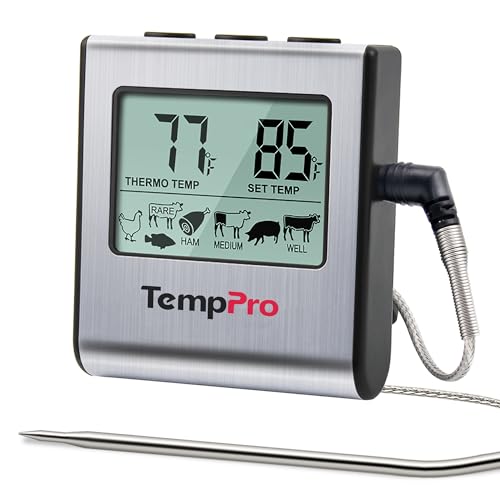
- A probe or instant-read thermometer. This is the most reliable way to check doneness.
- Foil or a cutting board, and a sharp knife. You’ll need them for resting and slicing.
Step-by-Step: Cooking Crock Pot Brisket
Step 1: Trim the Brisket
Pat the brisket dry with paper towels. Trim any hard, thick fat cap down to about 1/4 inch. Leave some fat on, because it keeps the meat moist as it cooks. Remove any silver skin or loose pieces that might turn chewy.
Step 2: Season the Meat
Open the soup mix packet and rub the powder evenly over both sides of the brisket. Press it into the surface with your hands. If the piece is thick, work the seasoning into any crevices too. You don’t need extra salt, since the packet usually covers it.
Step 3: Build the Liquid Base
Pour about 1 cup of beef broth into the bottom of the slow cooker. The liquid should come up around the bottom of the brisket but not cover the top. Too much liquid dilutes the flavor and makes the gravy thin. If you cut the brisket to fit, add the liquid anyway. It helps keep the meat from drying out on the bottom.
Step 4: Set the Brisket in the Pot
Place the brisket fat side up. If it’s too big to lie flat, fold it gently at the thickest point. Do not add water on top of the meat, and avoid stacking pieces without enough liquid under them.
Step 5: Cook on Low
Cover the pot and set it to low. Most 3- to 4-pound flat cuts take 8 to 10 hours. Larger packer cuts may need 10 to 12 hours. Resist the urge to lift the lid during the first several hours, since every peek drops the heat and extends the cook.
Step 6: Check for Doneness
Brisket is done when a probe or fork slides in with little resistance, usually in the 195°F to 205°F internal range. Slow cookers vary, so use tenderness as your main guide rather than the clock. If the meat is still firm at the expected time, give it another hour or two and check again. Beef should always reach a safe minimum of 145°F, and a braised brisket cooked this long will be well past that.
Step 7: Rest and Slice
Move the brisket to a cutting board, tent it loosely with foil, and rest it for 15 to 20 minutes. Slice against the grain for firm pieces, or shred with two forks for sandwiches. Skim the fat off the cooking liquid and spoon the remaining juices over the meat.
Timing Reference
The table below gives typical ranges. Your slow cooker may run hotter or cooler, and brisket size varies, so treat these numbers as starting points.
| Brisket Weight | Setting | Typical Cook Time | Done When |
|---|---|---|---|
| 3 to 4 lb flat cut | Low | 8 to 10 hours | Fork tender, probe slides in easily |
| 4 to 5 lb flat or small packer | Low | 9 to 11 hours | Fork tender, meat pulls apart |
| 5 to 6 lb packer (cut to fit) | Low | 10 to 12 hours | Probe slides in with little resistance |
| Any size on high | High | 5 to 6 hours | Check at 5 hours; can turn tough if rushed |
Common Mistakes and Tips
- Using too much liquid. A full pot of broth boils the meat and washes out the seasoning. One cup is enough for most 3- to 4-pound cuts.
- Cooking on high to save time. Brisket has a lot of connective tissue. Low heat gives it time to break down. High heat often leaves it chewy.
- Lifting the lid repeatedly. Each opening can add 15 to 20 minutes of cook time because the pot loses heat.
- Skipping the rest. Slicing right out of the pot causes juices to run out. A 15-minute rest keeps the slices moist.
- Slicing with the grain. Cutting parallel to the muscle fibers produces tough, stringy pieces. Find the direction the fibers run and cut across them.
- Forgetting to skim the liquid. Brisket releases a lot of fat. Skim it off before serving, or chill the liquid and lift the solidified fat off the top.
- Not thawing fully. A partly frozen brisket cooks unevenly. Thaw it in the refrigerator for at least 24 hours per 4 to 5 pounds, and don’t let it sit out at room temperature.
For a little more flavor without extra steps, you can add sliced onion and a couple of garlic cloves to the bottom of the pot before the brisket goes in. A splash of Worcestershire sauce in the broth also adds depth. If you want to cook other cuts with similar methods, the guide to Beginner BBQ Meat Recipes: Burgers, Chicken, Pork Shoulder and Steak covers techniques that transfer well to slow cooking.
Serving Ideas
Shredded brisket works well on toasted buns with a little of the cooking liquid for dipping. Sliced brisket goes well with mashed potatoes, buttered egg noodles, or roasted carrots. Leftovers keep in the refrigerator for three to four days, and the meat reheats well with a spoonful of broth in a covered dish.
Recommended gear
A few inexpensive tools make this recipe more predictable and less stressful.
- Leave-in probe thermometer. It lets you monitor the internal temperature without opening the lid. Check price on Amazon
- Large oval slow cooker, 6 to 7 quart. Oval shapes fit a flat brisket better than round pots. Check price on Amazon
- Fat separator or gravy skimmer. It makes removing fat from the cooking liquid quick and clean. Check price on Amazon
FAQ
Can I cook a frozen brisket in the crock pot?
It’s not recommended. A frozen or partly frozen brisket may spend too long in the temperature range where bacteria grow, and it will cook unevenly. Thaw it fully in the refrigerator first.
Do I need to sear the brisket first?
Searing adds color and a deeper, roasted flavor, but it isn’t required for a tender result. If you have time, sear it in a hot skillet for 2 to 3 minutes per side before adding it to the pot.
Why is my crock pot brisket tough?
The most common causes are cooking too fast on high, not cooking long enough, or slicing with the grain. Give it more time on low and check the probe for tenderness before pulling it.
Can I use a different liquid instead of beef broth?
Yes. Many cooks use a dark beer or a cup of water with a tablespoon of Worcestershire sauce. Beer adds a slightly bitter, malty flavor, and water produces a milder result. Adjust the seasoning if you change the liquid.
Is slow cooker brisket safe to eat if it sits on warm for hours?
Keep the slow cooker on warm after cooking no longer than a couple of hours, and refrigerate leftovers within two hours of finishing. If you have questions about food safety for a specific situation, such as serving a large group, check with your local food safety authority or a qualified food safety professional.