As an Amazon Associate I earn from qualifying purchases. This page may contain affiliate links.
Slow cooked beef brisket is one of the most rewarding cuts you can make at home, and it comes down to patience, a steady low temperature, and knowing when the meat is actually ready. In this guide you’ll learn how to pick a good packer brisket, trim it properly, season it, cook it low and slow, and rest it so every slice holds together and stays moist. The method works in a smoker, a kettle grill set up for indirect heat, or an oven, though the timing and flavor will shift a little depending on which you use.
What Slow Cooked Beef Brisket Actually Is
Brisket comes from the lower chest of the cow, a muscle that gets a lot of work and therefore carries plenty of connective tissue. That collagen is the reason brisket is tough when cooked fast and tender when cooked slow. Between roughly 160°F and 205°F, collagen breaks down into gelatin, which gives the meat its silky mouthfeel and keeps it from drying out. Rushing this stage is the most common reason brisket turns out chewy.
Shopping for one? See our guide: Is Brisket Beef or Pork? Key Differences Explained (2026).
A whole packer brisket usually includes two muscles: the flat, which is leaner and sliceable, and the point, which is fattier and more tender. Most pitmasters cook them together and then separate them after the rest. If you’re buying a single flat, expect a shorter cook and a drier result unless you take extra care with moisture and fat.
Gear and Supplies You Need
You don’t need specialized equipment to make good slow cooked brisket, but a few items make the process much more predictable:
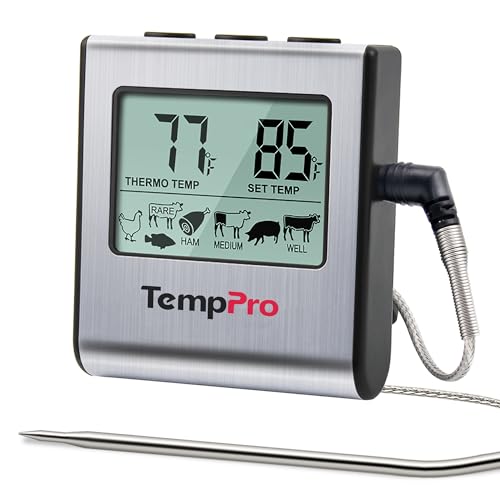
- A probe thermometer with at least two probes, one for the meat and one for the cooking chamber
- A sharp boning or slicing knife and a sturdy cutting board
- Heavy-duty aluminum foil or butcher paper for wrapping
- A large cooler or insulated holding box for resting
- A spray bottle for mopping or spritzing if you use one
- A rub of coarse salt and coarse black pepper, which is the traditional Texas-style base
Step 1: Choose and Trim the Brisket
Look for a packer brisket between 10 and 14 pounds with a fairly even thickness and a fat cap about a quarter inch thick. Too little fat leads to dryness, while a thick, waxy cap blocks smoke and seasoning. Trim the cap down to about a quarter inch, remove any hard silver skin on the underside, and square off loose edges so they don’t burn. Trim the hard fat between the flat and point only where it’s excessive, since some of it will render and baste the meat.
Step 2: Season the Meat
Season the brisket at least an hour before cooking, or overnight in the refrigerator for deeper flavor. Use roughly a half cup of coarse salt and a half cup of coarse black pepper for a 12-pound packer, adjusting for size. Pat the rub on all sides, pressing it in lightly. Let the meat come closer to room temperature for about 30 to 60 minutes before it goes on the heat, which helps the cook start more evenly.
Step 3: Set Up for Low, Steady Heat
Target a cooking temperature between 225°F and 275°F, with 250°F being a common middle ground. Lower temperatures take longer but often produce more even tenderness, while higher temperatures finish faster and can give a slightly firmer bark. Use indirect heat: on a charcoal grill, bank the coals to one side, and on a pellet grill or offset smoker, keep the meat away from direct flame. Place a probe in the thickest part of the flat and another in the cooking chamber near the meat.
Step 4: Manage the Cook and the Stall
Brisket usually goes on fat side up or down depending on your heat source. Fat side up protects the meat from direct heat in some setups, while fat side down works better on heat that comes from below. Expect the internal temperature to climb steadily to around 150°F to 165°F, then stall for several hours as moisture evaporates from the surface and cools the meat. This is normal. Wrapping the brisket in foil or unwaxed butcher paper once it hits the stall, usually at 150°F to 170°F, speeds things up and helps retain moisture.
Keep the chamber temperature steady. Every time you open the lid, you lose heat and smoke, so check your probes through the vent or a window when you can. Plan for roughly 1 to 1.5 hours per pound at 250°F, though actual times vary with size, thickness, and weather.
Step 5: Know When It Is Done
Doneness is about feel more than a single number. Most brisket is ready between 200°F and 205°F internal, but the best test is probe tenderness: the thermometer should slide into the flat with almost no resistance, like going into soft butter. Check several spots, especially the thickest section and the point. If it still resists, keep cooking and check again in 30 minutes.
Step 6: Rest the Brisket
Resting is essential. Wrap the brisket in towels, place it in a dry cooler, and let it rest for at least one hour, and ideally two to four hours. During this time the juices redistribute and the meat firms slightly, so it slices cleanly instead of falling apart. Don’t skip this step, even if you’re hungry.
Step 7: Slice and Serve
Slice the flat across the grain into pencil-thick or slightly thicker pieces. Separate the point from the flat and slice it against its grain too, or cube it for burnt ends. Serve with the juices from the wrapper poured over the top. Leftover brisket keeps well when wrapped tightly and reheated gently with a splash of liquid.
Quick Reference: Time and Temperature
| Stage | Target | What to Watch |
|---|---|---|
| Cooking temperature | 225°F to 275°F | Steady chamber heat, indirect only |
| Wrap point | 150°F to 170°F internal | Bark is set and dark enough |
| Stall | Often flat for several hours | Normal, do not raise heat |
| Doneness | 200°F to 205°F internal | Probe slides in with little resistance |
| Rest | 1 to 4 hours | Wrapped and held warm in a cooler |
Common Mistakes
- Pulling too early: Cooking to a temperature alone, without checking tenderness, often leaves brisket tight.
- Cooking too hot: Temperatures above 300°F can dry the meat before collagen converts.
- Opening the lid constantly: Each check drops heat and extends the cook.
- Skipping the rest: Slicing right away lets juices run out onto the board.
- Slicing with the grain: Cutting along the muscle fibers makes even tender brisket feel chewy.
- Using a thick fat cap untrimmed: It can block smoke and seasoning from penetrating.
Tips for Better Results
- Use a water pan in the cooker to stabilize temperature and add moisture.
- Choose wood with a mild to medium smoke profile, such as oak or hickory, if you’re new to smoking.
- Cook a little ahead of time and hold the brisket wrapped in a cooler; it can stay warm for several hours without losing much quality.
- Keep notes on your cook: size, temperature, wrap time, and final internal temperature. Your next brisket will be better for it.
If you want a simpler version of this method, the Easy Oven Cooked Beef Brisket Recipe with Video: 5 Simple Steps shows how to get tender results without a smoker, and How Long to Smoke a Brisket? Times by Weight and Temperature breaks down timing by size in more detail.
Recommended gear
- Dual-probe digital thermometer: Tracks meat and chamber temperature at once so you can hold heat steady without constant lid opening. View on Amazon
- Long slicing knife: A long, thin blade lets you cut clean, even slices across the grain without tearing the flat. View on Amazon
- Pink butcher paper: Wrapping the brisket at the stall allows moisture to escape while protecting the bark better than foil in many cooks. View on Amazon
- Insulated cooler for resting: A dry cooler holds the brisket warm for hours, which makes timing dinner far less stressful. View on Amazon
FAQ
What temperature should I cook slow cooked beef brisket at?
Most pitmasters cook brisket between 225°F and 275°F, with 250°F a common choice. Lower temperatures take longer but often give more even tenderness.
How long does brisket take to cook?
A rough estimate is 1 to 1.5 hours per pound at 250°F, but size, thickness, and weather can shift that a lot. Cook to tenderness, not the clock.
What internal temperature means brisket is done?
Most brisket is ready between 200°F and 205°F internal, though probe tenderness is a better guide. The probe should slide into the flat with little resistance.
Why did my brisket stall?
The stall happens when moisture evaporating from the surface cools the meat, often for several hours between about 150°F and 170°F. It is normal, so resist the urge to raise the heat.
Should I wrap brisket in foil or butcher paper?
Foil speeds the cook and keeps more moisture in, while butcher paper lets some steam escape and tends to preserve bark texture better. Either works well.
How long should brisket rest?
Rest it at least one hour, ideally two to four hours, wrapped and held in a dry cooler. Resting lets juices redistribute and firms the meat for clean slicing.
Can I make slow cooked brisket in an oven?
Yes. Use a low oven temperature, around 250°F to 275°F, wrap the meat to hold moisture, and follow the same doneness and resting guidelines. The flavor will be milder without smoke, so a smoked paprika or liquid smoke can help if you like that profile.
Conclusion
Slow cooked beef brisket rewards careful trimming, steady low heat, and patience through the stall. Cook to tenderness rather than a single number, and rest the meat long enough for the juices to settle. Once you have one good cook recorded, you can adjust temperature and timing to match your cooker and your taste.
Related reading
- Easy 3 Ingredient Crock Pot Beef Brisket Recipe: Steps and Tips
- Beef Brisket Recipe Oven: Step-by-Step Guide for Tender Results
- How to Cook Beef Brisket: A Step-by-Step Guide for Beginners
- How to BBQ Different Beef Cuts: From Brisket to Ribeye
- 5 Best Slow Cooker Brisket Fall-Apart Tender Options in 2026