As an Amazon Associate I earn from qualifying purchases. This page may contain affiliate links.
Texas style smoked beef brisket is a whole packer cut, low-and-slow smoked over post oak until the fat renders, the connective tissue melts, and the outside forms a dark, peppery bark. If you follow the steps below, you will trim the meat correctly, season it with a simple salt-and-pepper rub, hold a steady smoker temperature, and finish with a rest that keeps every slice moist. The method is not complicated, but small mistakes in trimming, fire management, or timing can cost you hours and a lot of good meat.
What Makes Texas Style Smoked Beef Brisket Different
Central Texas barbecue is built around a few principles: heavy black pepper and coarse salt, no sugar in the rub, a wood fire made from post oak or hickory, and beef as the main event. The result is a brisket with a firm, almost crunchy bark, a pink smoke ring just under the surface, and meat that pulls apart with the lightest pressure. Sauce is usually optional or absent, because the flavor comes from the smoke and the seasoning itself.
Shopping for one? See our guide: Is Brisket Beef or Pork? Key Differences Explained (2026).
A whole packer brisket has two muscles: the leaner flat and the fattier point. Both need to finish at roughly the same tenderness, which is why cooking is driven by feel and internal temperature rather than the clock alone. If you are new to brisket in general, the guide on How to Cook Beef Brisket: A Step-by-Step Guide for Beginners is a useful primer before you commit to a 12-plus hour cook.
Gear and Ingredients You Will Need
- A whole packer brisket, typically 12 to 16 pounds, USDA Choice or higher
- Coarse kosher salt and coarsely ground black pepper, in roughly a 1:1 ratio by volume
- Post oak or hickory wood, split logs or chunks for a stick burner, or pellets if you use a pellet grill
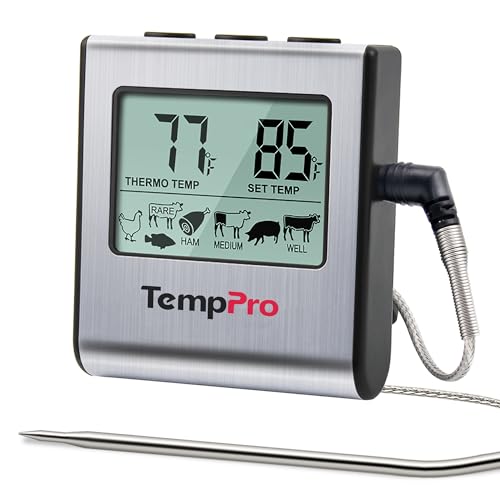
- A leave-in or wireless meat probe thermometer
- Pink butcher paper for wrapping
- A sharp boning or slicing knife and a cutting board with a juice groove
- An insulated cooler for resting
Step 1: Trim the Brisket Properly
Start by placing the brisket fat side up on a clean board. Remove any hard, thin membrane on the meat side and trim the outer fat cap down to about a quarter inch in most places. Leave a thicker layer over the point, because it protects the flat during the cook. Pull off any loose chunks of fat and hard silverskin that would turn leathery. Many pitmasters also remove the thick fat between the flat and point, since it does not render well, but leave the main cap intact.
Trim with the grain of the fat where you can, and keep your cuts smooth so the rub sticks evenly. Save the trimmings: they render into beef tallow or can be ground for burger later.
Step 2: Season With a Simple Salt and Pepper Rub
Season the brisket generously on all sides, about 1 tablespoon of the salt and pepper mix per pound of meat is a reasonable starting point. Press the rub in lightly with your palm so it adheres. Some cooks apply a thin layer of yellow mustard or hot sauce as a binder first, but it is not required. Let the seasoned brisket rest uncovered in the refrigerator for at least 8 hours, or overnight, so the salt can penetrate the surface.
Step 3: Set Up the Smoker and Hold Steady Temperature
Preheat your smoker to a stable 225 to 250 degrees Fahrenheit at grate level. Use a second thermometer near the meat rather than trusting the built-in gauge, since many smokers read differently at the top and bottom. On a stick burner, build a clean fire with well-seasoned split wood, then let it settle into thin blue smoke. Thick white smoke means the fire is starved for air and will leave a bitter taste.
Place the brisket fat side up, which allows the rendering fat to baste the meat. Position it away from the firebox side, since that end often runs hotter.
Step 4: Manage the Cook and Build Bark
Expect the brisket to stall, usually somewhere between 150 and 170 degrees internal temperature, for several hours. This is evaporative cooling, not a problem. Resist the urge to crank the heat. Once the bark has set to a deep mahogany color, usually after 5 to 7 hours of smoke, you can wrap the brisket in pink butcher paper. Paper lets moisture escape while protecting the bark, which is why many Texas pitmasters prefer it to foil.
Keep the smoker running consistently. Add wood as needed to maintain thin smoke, and avoid opening the lid more than necessary.
Step 5: Know When the Brisket Is Done
Most briskets finish between 195 and 205 degrees Fahrenheit internal, but temperature alone is not the whole story. Probe the thickest part of the flat and point. The brisket is ready when the probe slides in with almost no resistance, like going into a jar of peanut butter. Start checking after 195 degrees and do not pull based on a single reading. Plan for a total cook of roughly 1.5 to 2 hours per pound at 250 degrees, but expect variation from the meat and weather. For a more detailed breakdown, see How Long to Smoke a Brisket? Times by Weight and Temperature.
Step 6: Rest the Brisket Thoroughly
Resting is where many good briskets are lost. Wrap the finished brisket in a towel and place it in a dry cooler, with no ice, for at least one hour and up to four. The resting period lets the internal temperature stabilize and the juices redistribute. Slicing too early sends moisture onto the board.
Step 7: Slice Against the Grain
Separate the flat from the point by cutting along the seam of fat between them. Slice the flat across the grain into pencil-thick pieces, about one-quarter inch. Cut the point in the opposite direction, or chop it into burnt ends if you like. Serve immediately, with a little of the rendered drippings spooned over top.
Common Mistakes
- Trimming too aggressively, which exposes the meat and dries the surface
- Cooking at temperatures above 275 degrees, which tightens the muscle fibers
- Using heavy white smoke from a smoldering fire
- Pulling the brisket based on time rather than probe feel
- Skipping the rest or slicing against the grain
- Wrapping too early, before the bark has set, which softens the crust
Tips for Better Texas Style Brisket
- Buy brisket with even thickness and a consistent fat cap to simplify cooking
- Keep a log of your cooks, including wood, smoker temperature, and finish time
- Use a water pan only if you want a more humid environment, which can slow bark formation
- Slice a small test piece before serving the full brisket to confirm texture
Recommended Gear
- Thermoworks Thermapen ONE: a fast-reading instant-read thermometer that helps you check the flat and point accurately. View on Amazon
- Butcher Paper Roll for smoking brisket: pink butcher paper lets moisture escape while protecting bark during the wrap stage. View on Amazon
- Insulated cooler for brisket resting: holds heat during the rest period without cooking the meat further. View on Amazon
FAQ
What internal temperature should texas style smoked beef brisket reach?
Most briskets are ready between 195 and 205 degrees Fahrenheit internally, but probe tenderness is a better guide than a single number.
Should I use post oak for texas style smoked beef brisket?
Post oak is the traditional choice in Central Texas because it produces a mild, clean smoke. Hickory and pecan are also common, though they are stronger.
Do I need to wrap brisket in foil or butcher paper?
Butcher paper is generally preferred for texas style brisket because it protects bark better than foil, which can steam the surface.
Why does brisket stall during the cook?
Stalling happens as moisture on the surface evaporates and cools the meat. It is normal and usually lasts several hours.
How much salt and pepper should I use?
A common approach is roughly equal parts coarse salt and coarse black pepper, applied generously on all sides.
Can I cook texas style brisket in an oven?
You can approximate the flavor with an oven at low temperature, but you will not get true smoke flavor. The guide on Easy Oven Brisket Recipe: Tender Results Without a Smoker covers that approach.
How long should brisket rest before slicing?
Rest it for at least one hour wrapped in a towel inside a dry cooler, and up to four hours if needed.
Is it safe to eat brisket cooked to 195 degrees?
Yes, brisket is safe once it reaches the target range and is held at a safe temperature. For food safety questions, consult your local extension service or a food safety professional.
Conclusion
Texas style smoked beef brisket rewards patience, a careful trim, and steady smoke more than any secret ingredient. Season simply, keep your smoker near 250 degrees, probe for tenderness rather than the clock, and give the meat a proper rest. With practice, your slices will develop the bark, smoke ring, and moisture that define Central Texas barbecue.
Related reading
- Texas Brisket Chili Recipe: Step-by-Step Guide for Smoky Results
- Smoked Brisket Recipes Smoker Guide: 6 Steps to Juicy Results
- Easy 3 Ingredient Crock Pot Beef Brisket Recipe: Steps and Tips
- Beef Brisket Recipe Oven: Step-by-Step Guide for Tender Results
- How to Cook Beef Brisket: A Step-by-Step Guide for Beginners
- How to BBQ Different Beef Cuts: From Brisket to Ribeye