As an Amazon Associate we earn from qualifying purchases. This page may contain affiliate links.
A good smoked brisket comes down to four things: a properly trimmed packer, a simple seasoning that lets the beef taste like beef, steady low heat, and enough patience to let the meat finish and rest. This guide walks through each stage of a classic Texas-style smoked brisket recipe for a smoker, from the grocery store to the cutting board, with target temperatures and timing you can check against your own cook.
What You Need Before You Start
Brisket is a large, tough cut from the chest of the cow, and it has two muscles: the flat and the point. Most smoked brisket recipes call for a whole “packer” brisket, which keeps both muscles together. You will need more gear than you might expect, so gather everything before the meat goes on.
- A whole packer brisket, usually in the 10 to 14 pound range for a standard backyard cook
- A sharp boning or trimming knife and a long slicing knife
- Kosher salt and coarse black pepper (or a commercial brisket rub)
- A smoker with enough fuel for 10 to 14 hours of cooking
- Wood chunks or splits. Oak is the traditional choice, and fruitwoods like cherry or apple are common for a milder smoke
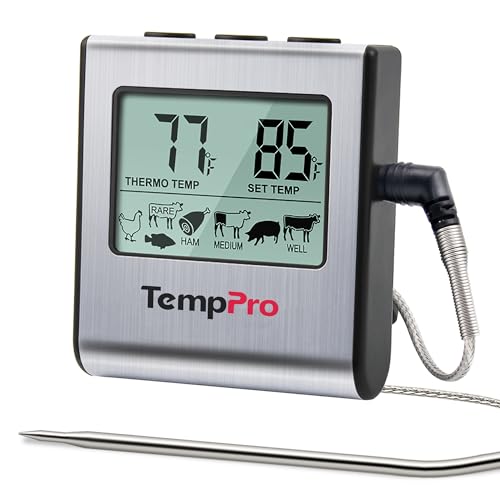
- Two reliable probe thermometers, one for the grill chamber and one for the meat
- Pink butcher paper or foil for the wrap
- A cooler or faux cambro for resting, and clean towels
If you are still deciding which smoker type suits this cook, How to Choose a BBQ Smoker: A Complete Buying Guide covers the tradeoffs between offset, pellet, electric, and vertical units. An offset is the classic choice for brisket, but any smoker that holds steady low heat for a long stretch will work.
Step 1: Buy and Trim the Brisket
Look for a packer with even thickness across the flat and a fat cap that is white and firm rather than yellow or soft. Expect some shrinkage. A 12-pound brisket commonly ends up 8 to 9 pounds after trimming and cooking, so plan your serving count around the cooked weight, not the raw weight.
How to Trim
- Set the brisket fat side up on a cutting board. Remove the hard fat and any thin, papery “silverskin” from the meat side.
- Trim the fat cap down to about 1/4 inch in most places. Too much fat blocks smoke and seasoning; too little causes the surface to dry out.
- Square off the corners and remove any loose flaps that will burn or dry out before the rest of the meat is done.
- Pull out the hard, dense fat seam between the point and the flat if it is thick. Leave the point’s marbling alone; it is where much of the tenderness comes from.
Save the trimmings. They render into tallow, or you can grind them for burger later. Once trimmed, pat the brisket dry.
Step 2: Season the Brisket
The classic seasoning for smoked brisket is a 1:1 mix of coarse black pepper and kosher salt. Some cooks add garlic powder or paprika, but the salt and pepper ratio is the core of most smoked brisket recipes. Apply seasoning about 8 to 12 hours before the cook if you can, or at minimum 1 hour before the smoker goes on.
- Use about 1/2 ounce of rub per pound of meat as a starting point, adjusting to your taste
- Coat all sides evenly, including the edges
- Rest the brisket uncovered in the fridge overnight for a drier surface, which helps bark form
If you prefer a commercial rub, check the sodium content on the label and adjust your salt expectations. Many store-bought blends are already salted heavily.
Step 3: Set Up the Smoker and Hold Steady Heat
Most pitmasters aim for a grate temperature between 225°F and 275°F. Lower temperatures render fat more gently and produce a deeper smoke ring over the long run, while higher temperatures shorten the cook. For a first brisket, 250°F is a reliable middle ground.
Heat stability matters more than the exact number. Swings of 25°F or more can dry out the outer layer and stretch the cook. BBQ Temperature Control: How to Hold Steady Heat on a Grill or Smoker explains how to manage airflow, fuel, and lid opening so the chamber stays where you want it.
Before the meat goes on, preheat the smoker for at least 30 minutes and make sure the grate temperature is stable. Place the brisket fat side up in a fat-cap-up orientation if your smoker has a hot spot at the top, or fat-side down if the heat comes from below. Many cooks put the fat side up for the entire cook, so the fat bastes the meat as it renders.
For a first-time setup, How to Set Up Your Smoker for the First Cook walks through seasoning the unit, basic airflow checks, and a test run before you commit to a 12-hour brisket.
Step 4: Smoke the Brisket Until the Bark Sets
The first several hours are about color and smoke. Expect the brisket to climb steadily until it reaches the stall, a plateau often around 150°F to 170°F where the internal temperature can sit flat for hours. This is evaporative cooling at work. Do not panic and crank the heat. Patience here produces better bark and tenderness.
Check your smoker for thin blue smoke rather than thick white smoke. Heavy white smoke tastes bitter and can leave the bark sooty. Add wood as needed to maintain a clean, thin smoke stream.
When to Wrap
Most cooks wrap once the bark is dark mahogany and firm to the touch, usually when the internal temperature reaches roughly 165°F to 170°F. Wrapping in pink butcher paper keeps the bark intact while letting some moisture escape, which helps push through the stall. Foil speeds the cook but softens the bark more. Both are common in brisket recipes, so choose based on the texture you want.
Step 5: Probe for Doneness, Not Just Temperature
Target an internal temperature between about 195°F and 205°F, but do not treat that as a finish line. Doneness is about feel. Slide a probe into the flat and the point. It should slide in with little resistance, like going into soft butter. If it still feels tight, keep cooking and check every 30 to 45 minutes.
Plan your timing based on the weight, but trust the probe over the clock. A common rule of thumb is roughly 1 to 1.5 hours per pound at 250°F, though wrapping, weather, and the cut’s shape can shift that a lot. Briskets vary from one to the next, so a 12-pound cook may finish in 11 hours or 15.
Rest the Brisket
Once the brisket is done, pull it off the smoker and wrap it well. Rest it in a dry cooler lined with towels for at least one hour, and ideally two to four hours. Resting lets the juices redistribute and the connective tissue keep softening. Keep the internal temperature above about 140°F during the rest so the meat stays in a safe range. If you are cooking for a crowd, a cooler is the easiest way to hold a brisket for a long window.
Step 6: Slice and Serve
Slice across the grain. The flat has a clear grain direction, and the point runs in a different direction, so you may need to separate the point and slice it against its grain. Cut slices about 1/4 inch thick for the flat. The point can be cut into thicker slices or cubed for burnt ends.
Brisket Timing and Temperature Reference
This table summarizes the main milestones for a typical packer brisket cooked at 250°F. Use it as a planning guide, not a guarantee.
| Stage | Internal Temp | What to Look For |
|---|---|---|
| Start | Room temp to 40°F | Fully seasoned, dry surface, grate at 250°F |
| Early smoke | 100°F to 150°F | Thin blue smoke, color building on the surface |
| Stall | 150°F to 170°F | Temperature plateaus; hold heat steady |
| Wrap | 165°F to 170°F | Dark, firm bark; wrap in butcher paper or foil |
| Finish | 195°F to 205°F | Probe slides in like soft butter |
| Rest | Above 140°F | Hold in a towel-lined cooler for 1 to 4 hours |
Common Mistakes
- Cooking to a time instead of the probe. Briskets finish when the connective tissue breaks down, which does not happen on a schedule.
- Opening the lid constantly. Every peek drops the chamber temperature and adds to your total cook time.
- Trimming too aggressively. Removing all the fat leaves the meat dry. Keep about 1/4 inch on the cap.
- Wrapping too early. Wrapping before the bark sets softens the crust you spent hours building.
- Skipping the rest. Slicing right off the smoker leads to a drier, looser texture, even when the probe test was perfect.
- Letting smoke turn white and heavy. Bitter, sooty smoke ruins the flavor more than a few extra degrees of temperature.
- Ignoring the stall. Turning the heat up to push through it usually leads to a dry flat.
Tips for Better Smoked Brisket
- Use two probes: one in the flat and one in the point. The point often finishes later.
- Keep a log of smoker temperature, meat temperature, and wood added. It makes the next cook easier to dial in.
- Consider a water pan in the smoker to add humidity and help stabilize the chamber.
- If the bark looks too dark too early, lower the heat slightly or wrap sooner.
- Cook a smaller brisket first to learn your smoker’s hot spots before you commit to a 14-pounder for a crowd.
- For general cooks, How to BBQ Different Beef Cuts: From Brisket to Ribeye compares brisket to other beef cuts so you can plan a full menu.
Recommended Gear
These tools are not required, but they make a brisket cook more predictable. Choose based on the smoker you already own.
- Dual-probe leave-in thermometer. A wireless or wired model lets you monitor the flat and point without opening the lid. Check price on Amazon
- Pink butcher paper. It lets moisture escape while keeping the bark intact, which many cooks prefer over foil for brisket. Check price on Amazon
- Insulated cooler for resting. A large cooler holds a wrapped brisket for hours without losing too much heat. Check price on Amazon
- Long slicing knife. A long, thin blade makes clean cuts across the grain and reduces tearing. Check price on Amazon
For a wider look at accessories, Essential Smoker Accessories: A Buying Guide covers probes, lighters, and other items that pay off over many cooks.
FAQ
What temperature should I smoke brisket at?
Most smoked brisket recipes use a grate temperature between 225°F and 275°F. Around 250°F is a common starting point because it balances bark formation with a reasonable cook time.
How do I know when smoked brisket is done?
Look for an internal temperature between about 195°F and 205°F, then check the texture. A probe should slide into the flat and point with little resistance. If it feels tight, keep cooking.
Should I wrap my brisket in foil or butcher paper?
Foil speeds the cook and produces a softer bark. Pink butcher paper lets more moisture escape and keeps the bark firmer. Either works well, so choose based on the texture you prefer.
How long should brisket rest after smoking?
Rest it for at least one hour, and up to four hours in a towel-lined cooler. Keep the internal temperature above about 140°F during the rest. Food safety guidance from public health agencies is a good reference if you are holding meat for a longer period or serving a large group.
Why is my brisket dry?
Common causes include cooking past the point of tenderness, trimming too much fat, running the smoker too hot, or slicing before the rest. Check the probe feel and rest time before blaming the cut itself.