By Mason Ramsey
As an Amazon Associate I earn from qualifying purchases. This page may contain affiliate links.
The best BBQ ribs rub recipe is less about a secret ingredient and more about balance: sweet, salty, savory, a little heat, and enough coarseness to build a bark. In this guide you will get a base ratio you can mix in about five minutes, the reasoning behind each ingredient, a method for applying it, and adjustments for baby backs, spare ribs and different cooking methods. Once you understand the ratios, you can tune the recipe to your own taste rather than following someone else’s exact formula.
What Makes a Great Ribs Rub
Most rib rubs that people rave about share the same structure. They combine salt for seasoning and moisture movement, sugar for caramelization and bark color, paprika and chili powders for color and mild heat, and aromatics like garlic and onion for depth. Black pepper and a touch of cumin or mustard powder round things out. If you are comparing commercial blends or looking at other top-rated formulas, you will see this same skeleton repeated in most of them. For a broader look at how different blends are built, the guide to 3 Best BBQ Ribs Rub Recipe Options for Competition and Backyard Smokers (2026) walks through several approaches.
Shopping for one? See our guide: Famous Dave's BBQ Rub: 7 Best Picks for Ribs, Brisket and Pork (2026).
The Core Flavor Roles
- Salt: Seasons the meat all the way through and helps the surface hold moisture during the early cook.
- Sugar: Brown sugar or turbinado browns at smoker temperatures and feeds the sweet, sticky bark that people look for on ribs.
- Paprika: Sweet or smoked paprika supplies color and a gentle smoky note.
- Chili powder or cayenne: Adds heat you can scale up or down.
- Garlic and onion powder: Build savory background flavor without burning the way fresh aromatics would.
- Black pepper: Coarse ground pepper adds bite and texture.
- Optional accents: Mustard powder, celery salt, cumin, or a pinch of ground coriander.
The Base Recipe: Ratios and Measurements
This recipe makes roughly one cup, enough for two to three racks of spare ribs or three to four racks of baby backs. Measure by weight if you have a kitchen scale, because volume measurements of spices vary a lot.
| Ingredient | Volume | Approximate Weight | Role |
|---|---|---|---|
| Dark brown sugar | 1/3 cup, packed | about 65 g | Sweetness and bark color |
| Kosher salt (Diamond Crystal size) | 3 tablespoons | about 30 g | Seasoning and moisture |
| Sweet paprika | 3 tablespoons | about 24 g | Color and mild smoke |
| Coarse black pepper | 2 tablespoons | about 12 g | Bite and texture |
| Garlic powder | 1 tablespoon | about 8 g | Savory base |
| Onion powder | 1 tablespoon | about 8 g | Savory base |
| Chili powder | 1 tablespoon | about 7 g | Earthy heat |
| Cumin | 1 teaspoon | about 2 g | Warm background note |
| Cayenne pepper | 1/2 teaspoon | about 1 g | Adjustable heat |
| Mustard powder | 1 teaspoon | about 2 g | Tang and emulsifying depth |
Mix everything in a bowl, breaking up any lumps in the brown sugar with your fingers or a whisk. Store in an airtight container away from heat and light. Brown sugar will eventually clump, so keep it sealed.
Adjusting the Ratio for Your Taste
If you want a sweeter, more glazed finish, increase the brown sugar by a tablespoon or two. For a drier, more savory profile closer to Memphis-style ribs, reduce the sugar and add more pepper and paprika. Heat is the easiest variable to change: start with the cayenne amount above and go up in quarter-teaspoon steps. Keep salt proportions in mind, because kosher salt varies by brand. Diamond Crystal is lighter by volume than Morton kosher, so if you use Morton, cut the salt to about two tablespoons.
Preparing the Ribs Before Seasoning
Good rub application starts with prepping the rack. Skipping these steps is the most common reason rubs fail to stick or fail to penetrate.
- Remove the membrane. Slide a butter knife under the thin membrane on the bone side, lift a corner, and pull it off with a paper towel for grip. It will not tenderize otherwise and it blocks smoke and seasoning.
- Trim the spare ribs. If you are working with spares, trim the flap and squared-up edges so the rack cooks evenly.
- Pat dry. Surface moisture makes the rub clump. Dry the rack thoroughly with paper towels.
- Apply a binder if you want one. Yellow mustard, a thin coat of olive oil, or hot sauce helps the rub adhere. The mustard flavor cooks off, so it does not taste like mustard in the finished rib.
- Season both sides generously. Use roughly one to one and a half tablespoons of rub per rack side for a standard full rack, adjusting for size.
How Long to Let the Rub Rest
Let seasoned ribs rest in the refrigerator, uncovered or loosely wrapped, for at least one hour. Overnight, roughly 12 to 16 hours, gives the best seasoning penetration and a more developed crust. Bring the ribs out of the fridge about 30 minutes before cooking so the surface is not cold when it meets the heat.
Cooking Method: Smoking, Grilling and Oven Options
The rub works across cooking methods, but the timing and temperature you choose changes how the bark forms.
Smoker or Pellet Grill
Set the cooker to 225 to 250 F with a mild wood such as cherry, apple, hickory or oak. Place the ribs bone side down on the grate. Baby backs typically take about four to five hours, and spare ribs about five to six hours, though thickness and cooker behavior change that. Manufacturers of pellet grills usually recommend preheating fully before loading meat, and that advice is worth following for consistent temperatures.
Charcoal or Gas Grill (Indirect)
Set up a two-zone fire and keep the ribs over the indirect side at around 275 to 300 F. Add wood chunks if you want smoke. Expect roughly three to four hours, and watch the grill temperature closely because indirect cooking on gas grills can run hot.
Oven Finish
If you do not have a smoker, wrap seasoned ribs loosely in foil and bake at 275 F for two to three hours, then unwrap, sauce if you like, and finish for 15 to 20 minutes to set the bark. The result is tender and flavorful, though you will not get the same smoke ring.
Doneness and Resting
Look for meat that has pulled back from the bone ends by about a quarter inch and a bend test that shows a crack in the bark. A common check is the bend test: lift the rack from the middle with tongs and the surface should crack without the rack breaking apart. Internal temperature around 195 to 203 F is often cited for the connective tissue to break down, but many pitmasters go by feel. Rest the ribs for 10 to 15 minutes before cutting so the juices settle.
Common Mistakes
- Skipping the membrane removal. The rub will not penetrate and the texture stays rubbery.
- Using too much sugar at high heat. Brown sugar burns above roughly 300 F, which leaves a bitter crust. Keep smoker temperatures low or add sugar later.
- Over-salting. Kosher salts differ in density. Measure by weight when you can.
- Applying rub to wet meat. The rub clumps and forms patchy seasoning.
- Opening the lid constantly. Each peek drops temperature and extends cook time.
- Saucing too early. Sugary sauces burn if applied in the first few hours. Wait until the last 30 minutes.
Tips for Better Results
- Make a double batch and store it so you always have rub on hand.
- Keep a notebook of ratio changes. Small tweaks add up fast.
- Try the rub on a small piece of pork or chicken first if you are trying a new heat level.
- For a more complex profile, add a teaspoon of ground coffee or a pinch of smoked salt.
- If you want rub ideas from other traditions, the list of Kansas City BBQ Dry Rub: 10 Best Picks for Ribs, Brisket and Pork (2026) shows how regional styles shift the sugar and pepper balance.
Recommended Gear
A few tools make rib prep and cooking easier and more repeatable.
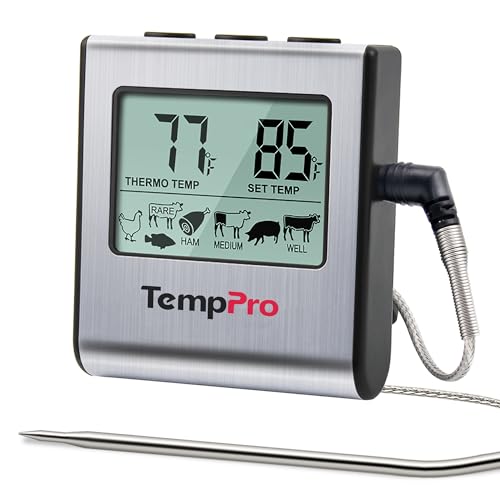
- Instant-read thermometer: Checking internal temperature in several spots helps you judge doneness more accurately than color alone. View on Amazon
- Digital kitchen scale: Weighing spices and salt keeps your rub ratio consistent batch to batch. View on Amazon
- Rib rack: A stand lets you cook multiple racks vertically in a smoker, improving airflow. View on Amazon
- Pitmaster gloves: Heat-resistant gloves help when handling hot racks and adjusting foil wraps. View on Amazon
FAQ
What is the best BBQ ribs rub recipe for beginners?
The base recipe in this guide works well for beginners because it balances sweet, salty and savory without requiring unusual ingredients. Start with the listed amounts and adjust the cayenne up or down after your first cook.
Should I use brown sugar or white sugar in a ribs rub?
Brown sugar contains molasses, which adds moisture and a deeper color to the bark. White sugar works but produces a lighter, sometimes harder crust. Dark brown sugar is the most common choice for smoked ribs.
How much rub do I need per rack of ribs?
A typical full rack takes about one to one and a half tablespoons total, split across both sides. Adjust for rack size and how heavily you want the seasoning to show.
Can I make the rub without cayenne?
Yes. Omit the cayenne and rely on chili powder and black pepper for warmth. The rub will be milder but still balanced.
How far ahead can I apply rub to ribs?
You can apply it up to 12 to 16 hours ahead, refrigerated and uncovered or loosely covered. Longer than that, the salt can start to cure the surface too much and change the texture.
Do I need to wrap ribs in foil?
Wrapping, often called the 3-2-1 method, speeds up cooking and keeps the meat moist, but it can soften the bark. Many cooks skip the wrap for a firmer crust, especially on baby backs. Choose based on the texture you prefer.
Is store-bought rub better than homemade?
Neither is automatically better. Homemade rub lets you control salt, sugar and heat exactly. Commercial blends save time and often have consistent flavor. Many pitmasters combine both by adding their own sugar or pepper to a trusted commercial base.
Conclusion
The best BBQ ribs rub recipe comes down to a balanced ratio of sugar, salt, paprika, pepper and savory powders, applied to properly prepped racks. Measure carefully, let the rub work into the meat, and match your heat and temperature to the bark you want. Once you have dialed in the base, small changes will let you make it your own.
Related reading
- Ultimate BBQ Pork Rub Recipe: Step-by-Step for Ribs and Shoulder
- Kc BBQ Rub Weber: 7 Best Picks for Ribs, Brisket and Chicken (2026)

About Mason Ramsey
Mason researches and writes buying guides and how-to articles on bbq & grilling. Picks are based on product specifications, brand reputation and patterns in owner feedback, and are updated as new models come out.