As an Amazon Associate we earn from qualifying purchases. This page may contain affiliate links.
A good texas brisket chili recipe turns leftover smoked brisket into a bowl of thick, beef-forward chili with no beans, no tomato chunks, and a flavor that tastes like the smokehouse. In this guide, you will toast and blend your own chile base, cut the brisket into bite-sized pieces, and simmer everything until the meat is tender and the sauce coats a spoon. The whole process takes about four hours, most of it unattended.
Texas-style chili, often called “bowl chili” or “red,” has strict traditions. Purists leave out beans and build flavor from dried chiles, cumin, garlic, and beef. Brisket adds a second layer of smoke on top of that, so the recipe rewards careful handling of both the chile paste and the meat.
What You Need Before You Start
Brisket chili works best when you plan ahead. You can use a fresh brisket cooked specifically for the pot, but most cooks use trimmed leftovers from a previous cook. Either way, have these items ready:
- A heavy Dutch oven or wide, heavy-bottomed pot with a lid (at least 6 quarts)
- A dry skillet for toasting chiles and spices
- A blender or food processor for the chile paste
- A cutting board and sharp knife for dicing brisket
- A wooden spoon or silicone spatula, since the chili will thicken and scorch if left unattended
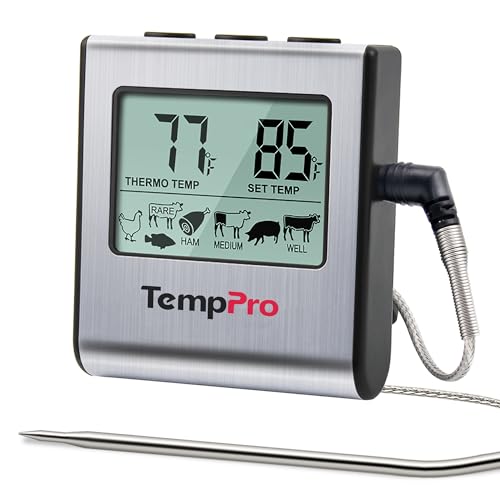
- An instant-read thermometer for checking the brisket before you chop it
Ingredient List and Quantities
The amounts below make about 6 to 8 servings. Adjust heat and salt to taste, and remember that the brisket itself is already seasoned, so add salt in stages.
| Ingredient | Amount | Role in the chili |
|---|---|---|
| Cooked brisket, trimmed and cubed | 3 to 4 lb | Main protein and smoke flavor |
| Dried ancho chiles | 4 | Sweet, dark, mild base |
| Dried guajillo chiles | 3 | Bright, tangy body |
| Dried chiles de árbol | 1 to 3 | Sharp heat (adjust to taste) |
| Yellow onion, diced | 2 medium | Sweetness and body |
| Garlic cloves, minced | 6 | Savory depth |
| Ground cumin, toasted | 2 tbsp | Core chili flavor |
| Mexican oregano | 1 tbsp | Earthy, citrusy note |
| Smoked paprika | 1 tbsp | Reinforces the smoke |
| Beef stock, unsalted or low-sodium | 4 cups | Liquid for simmering |
| Lager or dark beer (optional) | 12 oz | Bitterness and balance |
| Masa harina (optional) | 2 tbsp, mixed with water | Thickener |
| Kosher salt | To taste, usually 2 to 3 tsp total | Seasoning |
Step 1: Prepare the Brisket
Start with the meat, because it has the most room for error. Fully cooked brisket is safe to eat, but leftovers need to be refrigerated within two hours of cooking. If yours has been in the fridge, let it come to a safe serving temperature before you cut it.
Trim and Cube
Remove any hard fat caps, burnt bark that tastes bitter, and large pieces of unrendered fat. Keep the bark that tastes good, since it adds smoke and color to the pot. Cut the meat into cubes about three-quarters of an inch across. Chunks this size hold their texture through a long simmer, while shredded brisket tends to dissolve into the sauce.
Decide How Much Smoke You Want
Brisket that has been smoked for a long time already carries plenty of flavor. If your brisket is mild, add a teaspoon of liquid smoke at the end of cooking, not at the start. Adding it early can make the chili taste acrid.
If you’re still learning how brisket behaves on the smoker, How to BBQ Different Beef Cuts: From Brisket to Ribeye covers the cooking side, including how fat and connective tissue change with temperature.
Step 2: Build the Chile Base
Authentic Texas chili gets its flavor from dried chiles, not chili powder alone. Commercial chili powder often contains salt, anticaking agents, and older spices. A fresh chile paste gives you more control and a clearer flavor.
- Remove stems and seeds. Slit the chiles, shake out the seeds, and tear them into flat pieces. Seeds are where much of the bitterness comes from.
- Toast briefly. Press the chiles flat in a dry skillet over medium heat for 20 to 30 seconds per side. They should smell fruity and turn slightly pliable. Do not let them smoke or blacken, because scorched chiles taste harsh.
- Soak. Cover the toasted chiles with 2 cups of hot water and let them sit for 20 minutes until soft.
- Blend. Put the chiles, about 1 cup of their soaking liquid, the garlic, and one-quarter of the onion into a blender. Blend until smooth. Strain if you want a silkier chili, though many cooks skip this step.
- Toast the spices. In the same dry skillet, toast the cumin for about 30 seconds until fragrant. Grind it if you bought whole seed.
Step 3: Brown and Build the Pot
Set your Dutch oven over medium heat and add a tablespoon of fat, such as beef tallow, bacon drippings, or neutral oil. Sauté the remaining onion until soft and lightly golden, about 6 to 8 minutes.
Add the chile paste and cook it for 3 to 4 minutes, stirring constantly. This step deepens the color and cooks off raw chile flavor. Stir in the cumin, oregano, and smoked paprika, then cook for another minute.
Pour in the beer, if using, and scrape up the browned bits from the bottom of the pot. Let it reduce by about half. Then add the beef stock and the brisket cubes. Bring everything to a gentle simmer.
Step 4: Simmer Low and Slow
The chili is ready when the meat is tender and the liquid has reduced to a thick, glossy sauce. Keep the heat low enough that you see only occasional bubbles, and partially cover the pot so steam can escape.
Timing Guide
| Stage | Time | What to look for |
|---|---|---|
| Initial simmer | 30 minutes | Brisket begins to soften, and the liquid tastes raw |
| Main simmer | 60 to 90 minutes | Sauce thickens and meat tenderizes |
| Thickening (optional masa) | Final 15 minutes | Chili coats the back of a spoon |
| Rest | 20 minutes off heat | Flavors settle and fat rises to the surface |
If the chili gets too thick before the meat is tender, add stock or water in quarter-cup amounts. If it’s still thin after the meat is tender, leave the lid off and simmer for another 15 to 20 minutes.
Step 5: Season and Finish
Taste the chili only after it has simmered for at least an hour. Salt and acid need time to integrate. Start with 1 teaspoon of kosher salt, stir, wait five minutes, then taste again.
Finish with a splash of acid if the flavor feels flat. A teaspoon of cider vinegar or fresh lime juice brightens the pot without tasting sour. If you want more smoke, add a few drops of liquid smoke now, not earlier.
For thickening, mix 2 tablespoons of masa harina with a quarter-cup of warm water until smooth, then stir it into the simmering pot. Give it five minutes before judging the texture.
Common Mistakes to Avoid
- Scorched chiles. Burnt chile skins taste bitter and can ruin the whole pot. If you smell smoke from the skillet, start over with fresh chiles.
- Boiling instead of simmering. A rolling boil toughens meat and can break down the sauce unevenly. Keep the surface gently moving.
- Over-salting early. Smoked brisket, stock, and chile paste all contribute salt. Season at the end.
- Using too much chili powder. Store-bought blends can overwhelm the chile flavor and make the pot taste dusty.
- Adding beans. In Texas chili tradition, beans are a disqualifying choice. If you want beans, serve them on the side.
- Skipping the rest. Chili tastes noticeably better after 20 minutes off heat, and it’s easier to skim excess fat.
Tips for Better Brisket Chili
- Make the chili a day ahead. Refrigerate it in a shallow container and skim the solidified fat before reheating.
- Cool leftovers quickly. Divide them into smaller containers and refrigerate within two hours, then reheat until steaming hot throughout.
- Use a mix of chiles. Ancho adds sweetness, guajillo adds tang, and árbol adds sharp heat. Changing the ratio changes the personality of the chili.
- Keep some brisket fat in the pot. Rendered beef fat carries flavor and gives the sauce a rounder mouthfeel.
- Save the chile soaking liquid. If the chili is too thick, it’s a better thinner than plain water because it adds flavor.
If you’re planning a larger cook and want more ideas for other proteins, Beginner BBQ Meat Recipes: Burgers, Chicken, Pork Shoulder and Steak has simpler options that pair well with a pot of chili on the same day.
Recommended Gear
- Enameled cast iron Dutch oven. Its heavy base spreads heat evenly, which prevents scorching during the long simmer and keeps the sauce from sticking. Check price on Amazon
- Instant-read digital thermometer. A fast, accurate probe helps you confirm leftover brisket is fully heated and lets you check tenderness before chopping. Check price on Amazon
- Cast iron or heavy skillet. A dry skillet lets you toast chiles and cumin evenly without adding oil. Check price on Amazon
FAQ
Can I use fresh brisket instead of leftovers?
Yes. Smoke a whole or flat brisket until it’s tender, rest it, then cube and simmer it in the chili. Plan for extra time, since the meat needs a full rest before cutting.
Why is there no tomato in Texas brisket chili?
Traditional Texas bowl chili is built on chiles, beef, and spices, with no tomato or beans. Some modern versions add a small amount of tomato paste for color, but it’s not standard.
How spicy will this chili be?
Ancho and guajillo chiles are mild to medium, so the heat comes mostly from árbol. Start with one or two árbol chiles and add more during the simmer if you want more kick.
Can I make brisket chili in a slow cooker?
You can, but the sauce won’t reduce as much. Cook on low for 6 to 8 hours with the lid partly open or cracked, then thicken with masa harina at the end.
How long does leftover brisket chili last in the fridge?
Refrigerated chili is generally best within three to four days. Freeze portions if you won’t eat them in that window. If you have a specific food safety question about storing cooked meat, check current guidance from your local health department or the USDA.