As an Amazon Associate we earn from qualifying purchases. This page may contain affiliate links.
An ultimate BBQ pork rub recipe balances sweet, salty, smoky and savory flavors so the bark forms a crust without tasting harsh or burnt. This guide gives you a base recipe with exact measurements, explains how to mix and apply it, and shows how to adjust the blend for spareribs, baby backs, pork shoulder and chops. By the end, you will have a rub you can mix in about ten minutes and use on your next cook.
What Makes a Great Pork Rub
Most pork rubs share the same building blocks. Sugar helps create caramelized bark and balances the heat. Salt does the real work of seasoning the meat and helping it hold moisture. Paprika supplies color and a mild sweetness. Pepper, garlic and onion powder add depth, and a small amount of heat from chili powder or cayenne keeps the flavor from tasting flat.
The trick is proportion. Too much sugar burns over long smokes and turns bitter. Too much salt makes the finished meat taste like ham. A good rub stays in the middle, and the ratios below are built to do that.
Ingredients and Measurements
This recipe makes roughly 1 1/2 cups, enough for about 6 to 8 pounds of meat with a generous coat. Measure the salt carefully, because brands differ in grain size.
| Ingredient | Amount | Role in the Rub |
|---|---|---|
| Packed brown sugar | 1/2 cup | Sweetness, bark color, caramelization |
| Sweet or smoked paprika | 1/4 cup | Color, mild smoke, body |
| Kosher salt (Diamond Crystal style) | 3 tablespoons | Seasoning and moisture retention |
| Coarse black pepper | 2 tablespoons | Bite and aroma |
| Garlic powder | 1 tablespoon | Savory base |
| Onion powder | 1 tablespoon | Savory base |
| Chili powder | 2 teaspoons | Warmth and complexity |
| Ground cumin | 1 teaspoon | Earthy depth |
| Dry mustard powder | 1 teaspoon | Tang that helps the bark |
| Cayenne pepper (optional) | 1/2 teaspoon | Background heat |
A note on salt: Diamond Crystal is lighter by volume than Morton kosher salt. If you use Morton, cut the amount roughly in half, to about 1 1/2 tablespoons. Weighing the salt on a kitchen scale is the most reliable option.
Tools You Need
- A medium mixing bowl and a whisk or fork
- Measuring spoons and a set of dry measuring cups
- A digital kitchen scale (useful for consistent salt and sugar amounts)
- An airtight jar or container for storing leftover rub
- Paper towels and a clean tray for drying the meat
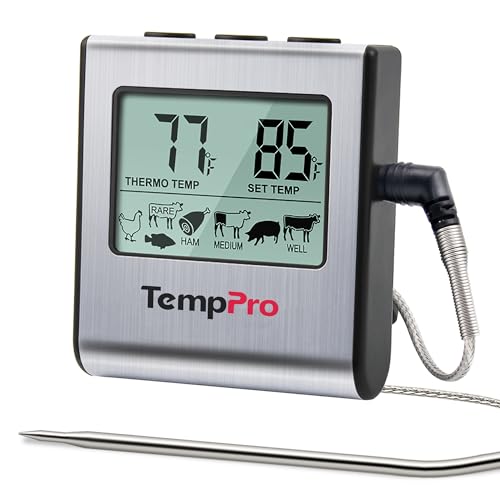
- A probe thermometer for checking doneness
Step-by-Step: Mixing the Rub
- Break up the sugar. Brown sugar clumps. Press it through your fingers or a fine sieve so it blends evenly with the powders.
- Combine the dry ingredients. Add the paprika, salt, pepper, garlic powder, onion powder, chili powder, cumin, mustard powder and cayenne to the bowl.
- Whisk for at least 30 seconds. Keep whisking until no streaks of color or pale clumps remain. Uneven mixing shows up as blotchy bark.
- Store it right. Transfer the rub to an airtight jar and keep it in a cool, dry cupboard. Properly stored, it stays potent for several months. Brown sugar can absorb moisture over time, so shake the jar before each use.
How to Apply Pork Rub for Maximum Flavor
Prepare the Meat
Pat the pork dry with paper towels. Moisture on the surface slows bark formation and keeps the rub from sticking. For ribs, remove the silverskin membrane on the bone side. It stays tough through cooking and blocks flavor from reaching the meat.
Use a Binder (Optional)
A thin layer of yellow mustard, olive oil or hot sauce helps the rub adhere. The binder itself does not add much flavor once it cooks, so use just enough to make the surface tacky. Many pitmasters skip binders on pork shoulder because the fat already holds the seasoning.
Season Generously and Evenly
Sprinkle the rub from about 8 to 10 inches above the meat so it falls evenly. Coat every side, including the ends and any crevices. For a rough guide, a common starting point is about 1 tablespoon of rub per pound of meat, adjusted for how thick the cut is. Let the seasoned meat rest in the refrigerator for at least one hour. Overnight is better for pork shoulder.
Let the Rub Work
When you take the meat out of the refrigerator, let it sit for 20 to 30 minutes so it cooks more evenly. Pull it out only once it is at your target temperature, not in the middle of cooking, because opening the lid repeatedly drops the heat and disrupts the bark.
Adjusting the Rub for Different Pork Cuts
One base recipe works across pork, but each cut responds differently to sugar, salt and heat. Use these adjustments as starting points.
| Cut | Typical Cook Style | Rub Adjustment |
|---|---|---|
| Baby back ribs | Smoked or grilled at 225 to 275 F for several hours | Use the base recipe. Add a little extra sugar if you want a glaze-like finish. |
| Spareribs or St. Louis cut | Low and slow, often 3 to 6 hours | Use the base recipe. Increase the paprika slightly for deeper color on the thicker bones. |
| Pork shoulder (Boston butt) | Long smoke, often 8 to 12 hours | Cut the sugar by about a quarter to limit burn risk over the long cook. Keep the salt the same. |
| Pork loin or chops | Shorter, hotter cook | Cut the cayenne and cumin in half. Use the base recipe otherwise. |
| Pork tenderloin | Quick grill or sear | Reduce the rub amount and add a little oil before seasoning, since lean meat dries faster. |
For more on matching cook times and temperatures to each cut, see Mastering Pulled Pork and BBQ Ribs: A Complete Guide. If you are new to the smoker itself, Simple Smoking Techniques for Your First BBQ covers the basics of managing smoke and heat.
Common Mistakes and Tips
- Using too much sugar on long cooks. Sugar burns above roughly 300 F. On pork shoulder smoked for many hours, a heavy sugar coat can turn black and bitter. Reduce it or add sugar later in the cook.
- Over-salting. Salt in the rub seasons the surface, but it also penetrates the meat over time. Long rests with a heavy salt coat can make ribs taste cured. Keep the ratio close to the base recipe.
- Skipping the rest. A short rest after seasoning lets the salt dissolve and be absorbed. Without it, the rub can sit on top and fall off.
- Relying on color alone. A dark bark does not mean the meat is done. Use a thermometer instead of guessing.
- Storing rub near heat. Keeping jars beside the grill or in a humid spot causes clumping and flavor loss.
- Mixing too much at once. Fresh spices are more aromatic. If your paprika or chili powder has been open for a year, replace it before making a large batch.
Food safety matters with any pork cook. Whole cuts are generally considered safe at 145 F with a rest, but pork shoulder and ribs are usually taken much higher for tenderness. Review BBQ Food Safety: Safe Internal Temperatures, Handling and Leftovers for temperature targets and handling guidance, and consult a food safety professional or your local extension office if you have questions about specific situations.
Recommended gear
These tools make it easier to get consistent results with any pork rub. Good thermometers and scales matter more than fancy accessories.
- Instant-read digital thermometer. A fast probe lets you check ribs and chops without losing heat. Pair it with the timing tips in How to Use an Instant-Read Thermometer for Perfect BBQ. Check price on Amazon
- Digital kitchen scale. Weighing salt and sugar removes the guesswork that comes from brand-to-brand differences in kosher salt. Check price on Amazon
- Airtight spice jars with shaker lids. Sealed containers keep brown sugar and paprika from clumping, and shaker tops make even application easier. Check price on Amazon
FAQ
Can I make this rub without brown sugar?
Yes. Granulated sugar works, but it lacks the molasses note that brown sugar gives. You can also use a mix of granulated sugar and a teaspoon of molasses to approximate the flavor.
How far ahead can I make the rub?
You can mix it up to several months ahead if you store it in an airtight container away from heat and moisture. Shake the jar before using because the sugar may settle or clump.
Should I apply the rub the night before?
For pork shoulder and thick ribs, overnight seasoning often produces a better-seasoned interior. For thin chops, 30 to 60 minutes is usually enough, since they can turn dry or overly salty with long rests.
Why did my bark turn black?
Usually the sugar burned. Lower the cooking temperature, reduce the sugar in the rub, or wrap the meat once the bark has set, which is a common practice sometimes called the Texas crutch.
Can I use this rub on other meats?
Yes, though you should adjust the salt and heat. Chicken and turkey tolerate similar blends, while beef usually benefits from more black pepper. For more ideas, check How to Make a Dry Rub for BBQ from Scratch.