
 By Miles Sinclair
Updated November 2026
Wondering how long to cook beef brisket in the oven? The short answer is that most brisket takes roughly 1 hour per pound at 275°F to 300°F, but the real finish line is an internal temperature of about 195°F to 205°F with a probe that slides in like warm butter. Because brisket is a tough, collagen-heavy cut, the timing depends on the size of the piece, the oven temperature, and whether you wrap it. Readers looking for a reliable reference often want a good book or guide alongside their oven, so this list covers seven resources. We selected them based on the depth of their brisket instruction, how clearly they explain timing and doneness, the reputation of their authors, and the feedback owners commonly report about recipe reliability.
Our top picks at a glance
- 1
 TOP CHOICEBest overallThe Brisket Chronicles: How to Barbecue, Braise, Smoke, and Cure the WView on Amazon
- 2
 TOP CHOICEBest for beginnersBeef Brisket RecipesView on Amazon
- 3
 TOP CHOICEBest for ready-to-eat shortcutsHereford Fully Cooked Shredded Beef Brisket with BBQ, Shelf Stable PouView on Amazon
- 4
 Best for broad smoking and grilling techniquesProject Smoke: Seven Steps to Smoked Food Nirvana, Plus 100 Irresistible RecipesView on Amazon
- 5
 Best budget pickLone Star Brisket: A Step by Step Guide on How to Smoke BrisketView on Amazon
- 6
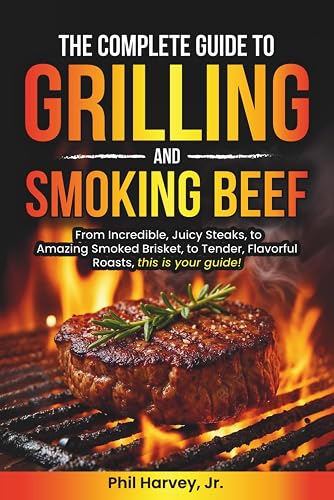 Best for mixed beef cutsThe Complete Guide to Grilling and Smoking BeefView on Amazon
- 7
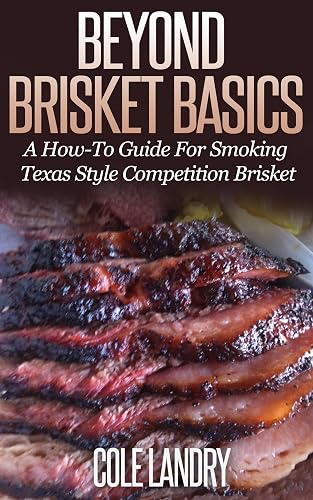 Best for competition-style resultsBeyond Brisket Basics: A How-To Guide On Smoking Texas Style Competition BrisketView on Amazon
Our Top Picks
| Product | Best for | Key feature |
|---|---|---|
| The Brisket Chronicles | Comprehensive brisket education | Covers barbecue, braising, smoking and curing |
| Beef Brisket Recipes | Beginners and oven cooks | Focused, recipe-driven format |
| Hereford Fully Cooked Shredded Beef Brisket with BBQ | Quick meals with no long cook | Shelf-stable, fully cooked pouches |
| Project Smoke | Smoker and oven flavor techniques | Seven-step method plus 100 recipes |
| Lone Star Brisket | Budget-minded step-by-step learners | Plain-language smoking walkthrough |
| The Complete Guide to Grilling and Smoking Beef | Cooks working with multiple beef cuts | Covers steaks, roasts and brisket |
| Beyond Brisket Basics | Serious brisket hobbyists | Texas-style competition approach |
The Brisket Chronicles: How to Barbecue, Braise, Smoke, and Cure the World’s Most Epic Cut of Meat
The Brisket Chronicles: How to Barbecue, Braise, Smoke, and Cure the World's Most Epic Cut of Meat (Steven Raichlen Barbecue Bible Cookbooks)
Best for: Comprehensive brisket education
This is a good fit for cooks who want to understand brisket from the cut itself through to the finished slice, including how braising in a covered pan compares to dry roasting. It is written by Steven Raichlen, a well-known barbecue author. For another angle, check out How Long in Primary Fermenter: A Step-by-Step Guide for Homebrewers.
Key specs
- Format: hardcover cookbook
- Subject: brisket across barbecue, braising, smoking and curing
- Part of the Steven Raichlen Barbecue Bible series
Pros
- Explains the why behind resting, wrapping and temperature
- Covers oven braising alongside smoking
- Strong reputation within the barbecue community
Cons
- Broad scope means some sections go deeper than a quick oven cook needs
- Heavier to flip through than a single-technique guide
Bottom line: A strong pick for cooks who want a complete reference and plan to make brisket more than once.
Beef Brisket Recipes
Beef Brisket Recipes
Best for: Beginners and oven cooks
A recipe-focused title suited to home cooks who want direct instructions without a long technique section. It works well for someone who wants a dependable starting point for an oven brisket.
Key specs
- Format: recipe collection focused on beef brisket
Pros
- Straightforward, recipe-first layout
- Easy to use while cooking
- Good for building a repertoire of brisket dishes
Cons
- Less background on the science of collagen breakdown
- Limited detail for smoker-specific methods
Bottom line: A practical choice for someone who mainly wants reliable oven recipes.
Hereford Fully Cooked Shredded Beef Brisket with BBQ, Shelf Stable Pouch, 6 oz (Case of 12)
Hereford Fully Cooked Shredded Beef Brisket with BBQ, Shelf Stable Pouch, 6 oz (Case of 12)
Best for: Quick meals with no long cook
This is a fully cooked, shelf-stable product rather than a whole raw brisket, so it suits people who want brisket flavor without the multi-hour oven time. It is useful for pantry stocking or emergency meals.
Key specs
- Format: shelf-stable pouch, shredded beef brisket with BBQ sauce
- Pack: case of 12, 6 oz pouches
Pros
- No oven time required
- Shelf-stable storage
- Portioned for single servings
Cons
- Not a substitute for learning to cook raw brisket
- Texture and flavor differ from a home oven cook
Bottom line: Best for a convenient shortcut, not for learning oven timing.
Project Smoke: Seven Steps to Smoked Food Nirvana, Plus 100 Irresistible Recipes
Project Smoke: Seven Steps to Smoked Food Nirvana, Plus 100 Irresistible Recipes from Classic (Slam-Dunk Brisket) to Adventurous (Smoked Bacon-Bourbon … (Steven Raichlen Barbecue Bible Cookbooks)
Best for: Smoker and oven flavor techniques
A good choice for cooks who want a structured method for smoke flavor and want to apply it to brisket and other cuts, including oven-finished versions.
Key specs
- Format: cookbook with a seven-step method and 100 recipes
- Part of the Steven Raichlen Barbecue Bible series
Pros
- Clear, step-based structure
- Wide range of recipes beyond brisket
- Explains smoke flavor fundamentals
Cons
- Brisket is one topic among many, so coverage is less focused
- Assumes some comfort with smoking equipment
Bottom line: Suited to cooks who want a broad smoking reference with brisket included.
Lone Star Brisket: A Step by Step Guide on How to Smoke Brisket
Lone Star Brisket: A Step by Step Guide on How to Smoke Brisket
Best for: Budget-minded step-by-step learners
This title is aimed at readers who want a focused, sequential walkthrough of brisket preparation and cooking, with an emphasis on following each stage in order.
Key specs
- Format: step-by-step brisket guide
Pros
- Easy to follow in order
- Narrow focus on brisket
- Accessible for beginners
Cons
- Centers on smoking, so oven-specific timing is less developed
- Self-published titles vary in depth of editing and illustration
Bottom line: A reasonable pick for a focused beginner guide, with the caveat that oven times may need cross-checking.
The Complete Guide to Grilling and Smoking Beef
The Complete Guide to Grilling and Smoking Beef: From incredible, juicy steaks, to amazing smoked Brisket, to tender, flavorful roasts, this is your guide!
Best for: Cooks working with multiple beef cuts
For readers who want more than brisket, this guide covers steaks, roasts and brisket. It suits someone building general beef skills rather than specializing in one cut.
Key specs
- Format: guide to grilling and smoking beef across several cuts
Pros
- Covers a range of beef cuts
- Useful for comparing cooking methods side by side
- Good general reference
Cons
- Brisket coverage is less deep than a dedicated brisket title
- Emphasis on grilling may not match oven needs
Bottom line: A good generalist choice for someone who cooks many beef cuts.
Beyond Brisket Basics: A How-To Guide On Smoking Texas Style Competition Brisket
Beyond Brisket Basics: A How-To Guide On Smoking Texas Style Competition Brisket
Best for: Competition-style results
This guide targets readers who want to go deep on Texas-style brisket, including the approach used in competition settings. It is more advanced than a general guide.
Key specs
- Format: how-to guide focused on Texas-style competition brisket
Pros
- Deep focus on brisket technique
- Useful for refining bark, trimming and timing
- Appeals to experienced cooks
Cons
- Smoker-centric, so oven adaptation is up to the reader
- May be more detail than a weeknight cook needs
Bottom line: Best for serious brisket enthusiasts who want advanced technique.
Buying Guide
Oven Timing and Temperature Reference
Look for a resource that gives time ranges by weight and explains why temperature matters. A common oven approach is 275°F to 300°F, with roughly 1 hour per pound as a starting estimate. Wrapping in foil or butcher paper once the bark sets can shorten the stall. Doneness is best judged by probe tenderness near 195°F to 205°F, not by the clock alone.
Good picks for this: The Brisket Chronicles, Beef Brisket Recipes
Recipe Clarity and Structure
Clear ingredient lists, ordered steps and specific oven settings make a guide easier to use mid-cook. Check whether the book separates prep, cooking and resting.
Good picks for this: Beef Brisket Recipes, Lone Star Brisket
Cut Selection and Trimming
Flat and point cuts behave differently in the oven. A good guide explains fat cap trimming and how to choose a well-marbled packer brisket.
Good picks for this: The Brisket Chronicles, Beyond Brisket Basics
Scope: Brisket Only or Multiple Cuts
Decide whether you want a specialist title or a broader beef reference. Specialist books go deeper on brisket, while general guides help you compare methods across cuts.
Good picks for this: The Complete Guide to Grilling and Smoking Beef, Project Smoke
Shortcut and Convenience Options
If time is tight, a fully cooked product can replace a long cook for certain meals. Check the pack size and whether the product suits your planned use.
Good picks for this: Hereford Fully Cooked Shredded Beef Brisket with BBQ
Experience Level
Beginners benefit from plain language and step-by-step sequences. Advanced cooks may want competition-level detail on trimming, bark and timing.
Good picks for this: Lone Star Brisket, Beyond Brisket Basics
FAQ
How long to cook beef brisket in the oven per pound?
A common starting estimate is about 1 hour per pound at 275°F to 300°F. Thicker or fattier pieces may run longer, so rely on internal temperature rather than time alone.
What internal temperature should brisket reach?
Most cooks aim for 195°F to 205°F, where the connective tissue has broken down. The probe should slide in with little resistance.
Should I wrap brisket in foil in the oven?
Wrapping once the bark has set can help push through the stall and keep the meat moist. Some cooks prefer butcher paper for a firmer bark.
How long should brisket rest after cooking?
Rest it for at least 30 to 60 minutes, wrapped and held in a warm cooler or low oven. Resting helps juices redistribute before slicing.
Can I cook brisket at a higher oven temperature to save time?
Higher heat shortens the cook but can dry out the meat and reduce tenderness. Lower, steady temperatures generally give better results for tough cuts.
Do I need a special book to cook brisket in the oven?
No, but a dedicated guide can clarify timing, trimming and resting. Free recipes work too, provided they list internal temperature targets.
Conclusion
For most readers asking how long to cook beef brisket in the oven, the answer is roughly an hour per pound at a low, steady temperature, finished by probe tenderness. The Brisket Chronicles suits cooks who want a complete reference, while Beef Brisket Recipes is a practical pick for oven-focused home cooks. Lone Star Brisket works for step-by-step learners on a budget, and Beyond Brisket Basics suits those pursuing competition-style results. For multi-cut cooks, The Complete Guide to Grilling and Smoking Beef offers broader coverage, and Hereford Fully Cooked Shredded Beef Brisket with BBQ is the convenient option when time is short. Project Smoke rounds out the list for smoke-flavor techniques across many dishes.
Sources
- Safe minimum internal cooking temperatures and beef handling guidance (usda.gov)
- Food safety guidance on cooking and resting meat (fsis.usda.gov)
Before you buy: helpful guides
Related reading
- How to Make Beef Brisket in the Oven: A Step-by-Step Guide for Tender Results
- How to Cook Pickled Beef Brisket: A Step-by-Step Guide for Tender Results
- How to Cook Corned Beef Brisket: A Step-by-Step Guide for Tender Results
About Miles Sinclair
Miles Sinclair is part of our editorial team and reviews and edits our BBQ & grilling guides, checking product details against manufacturer specifications and owner feedback.



