By Claire Whitaker
Updated November 2026
The Tuffy Stone Classic BBQ Rub is a savory, all-purpose seasoning from a pitmaster with a long competition record, aimed at backyard cooks who want one reliable rub for ribs, brisket, pork shoulder and smoked chicken. It leans savory first, with a light background of sweetness and a gentle heat rather than a fiery kick. It suits cooks who want a dependable, meat-forward blend that works across several proteins without much fuss. It is less ideal for people who prefer bold, sugary bark, a strong chili punch, or a rub with no salt-forward profile for low-sodium diets. If you want a sweeter, honey-forward option from the same line, a different product may fit better.

Tuffy Stone Classic BBQ Rub | Crafted by 6x World BBQ Champion Pitmaster Tuffy Stone | Savory with a Little Sweet Heat | Great on Ribs, Brisket, Pork Shoulders, Smoked Chicken | Gluten Free | Made in
Product Overview
Tuffy Stone is a barbecue competitor and cookbook author who has built a following on competition-style cooking. The Classic BBQ Rub is one of the core blends in his product line, positioned as a general-purpose savory rub rather than a single-meat specialty seasoning. The listing describes it as savory with a little sweet heat, suitable for ribs, brisket, pork shoulders and smoked chicken, and it is marketed as gluten free.
The rub is designed to be applied as a dry coating before cooking, either on its own or combined with a binder such as yellow mustard or olive oil. Its role is to build a flavorful crust, or bark, and to season the meat through the surface during a low-and-slow cook. Because it is savory rather than sugar-heavy, it is generally used with a wider range of cooking temperatures and with less risk of scorching at higher heat than sweet rubs tend to carry.
The product sits within a crowded category. Many cooks reach for a Kansas City style sweet rub for pork, or a Texas-style salt-and-pepper blend for brisket. The Tuffy Stone Classic fills the middle ground: a savory blend that can be used across meats without shifting the flavor profile dramatically from one cook to the next.
Key Features & Specifications
The table below lists the details that are confirmed by the product name and listing. Items not clearly stated have been left out rather than guessed.
| Feature | Details |
|---|---|
| Brand / Creator | Tuffy Stone, 6x World BBQ Champion Pitmaster |
| Flavor profile | Savory with a little sweet heat |
| Recommended uses | Ribs, brisket, pork shoulders, smoked chicken |
| Dietary | Gluten free |
| Country of origin | Made in the USA (per listing) |
| Format | Dry rub, applied before cooking |
| Product line | Classic (savory); sister product Sweet is sold separately |
Manufacturers in this category typically specify net weight on the package, and buyers should check the size on the listing before purchase, since bottle and shaker sizes vary across the Tuffy Stone line.
Pros & Cons
Pros
- Savory base works across beef, pork and poultry without the sugar-driven scorching some sweet rubs show at higher heat.
- Gentle heat makes it approachable for families and guests who do not want a hot seasoning.
- Gluten free labeling is useful for cooks with sensitivities who want a straightforward seasoning.
- Competition pedigree and a clear intended-use message make it easy to understand what the rub is for.
- Works as a single-bottle solution, so you do not need separate rubs for every protein in your rotation.
Cons
- Savory profile may not satisfy cooks who want a sweet, caramelized bark typical of Kansas City style pork.
- Contains salt as a core ingredient, so cooks on low-sodium diets will need to adjust or pick another blend.
- The heat level is mild, which some buyers will find too subtle for chili-forward flavor.
- Flavor is less distinctive than a single-purpose rub designed for one meat, so specialists may prefer a targeted blend.
Performance Analysis
Because this review is research-based rather than drawn from hands-on testing, the performance picture below draws on the product’s stated design, the way savory rubs behave in general, and the feedback patterns that owners of similar blends often describe. It should be read as an informed expectation, not a measured result.
On ribs, a savory rub like this one typically forms a thin, well-seasoned bark. Owners of savory rubs often report that the meat tastes clearly seasoned and beefy-forward, with the sugar and smoke doing less of the talking than in a sweet rub. Cooks who favor a glossy, candy-like rib finish may need to add a sauce or a sugar-based glaze in the final stage.
On brisket, a savory blend tends to pair naturally with the long, low smoke that Texas-style cooks use. Brisket is seasoned heavily with salt and pepper in many traditions, so a savory rub fits that approach. The main consideration is salt: apply it with the same restraint you would use for a plain salt-and-pepper brisket, and rest the meat well so the seasoning distributes evenly.
On pork shoulder, the savory profile works well for pulled pork that will be finished with a vinegar or mustard sauce. Owners of savory rubs commonly describe the result as balanced rather than sweet, which some cooks prefer when the sauce carries the sweetness. On smoked chicken, the gentle heat and savory base tend to read as clean and approachable, especially on skin, which can take on a crisp, seasoned surface.
Across all proteins, the main variables are your cook temperature, your binder, and how long you let the rub sit on the meat. A rub applied at least 45 minutes before the cook, or overnight for larger cuts, generally produces better penetration and bark than a rub applied just before the smoker goes on. For a general method, our guide Simple BBQ Rib Rub: A Step-by-Step Guide for Juicy, Flavorful Ribs walks through timing and application, and Smoked BBQ Rib Rub: A Step-by-Step Guide for Juicy, Flavorful Ribs covers the smoke side of the process.
Who Should Buy This Product?
This rub is a good fit for backyard cooks who want one dependable savory blend for a mixed rotation of ribs, brisket, pork and chicken. It also suits cooks who prefer to build sauce flavor separately, since the rub stays in the background and lets the meat and smoke lead.
It is a weaker choice for cooks who specifically want sweet Kansas City bark, for anyone who needs a strict low-sodium seasoning, or for people who like a hot, chili-forward rub. Those buyers will usually be happier with a targeted blend. Our roundup of Low Salt BBQ Rub: 7 Best Picks for Flavor Without the Sodium (2026) is useful if sodium is the main concern, and Sugar Free BBQ Rub: How to Make One That Tastes Great (2026) covers a sugar-free approach.
Buying Guide
When you shop for any BBQ rub, a few factors matter more than brand name. Start with the flavor profile: savory, sweet, or heat-forward. A savory rub suits brisket and pork shoulder well, while sweet rubs tend to shine on ribs and pork butt where a sugary bark is part of the appeal. Next, check the salt level, because a rub with salt already in it changes how much additional salt you should use on the meat. Look for clear ingredient lists if you have allergies or dietary needs, and confirm any gluten-free or other claims on the label. Finally, consider the size you need: a larger container is more economical for frequent cooks, while a smaller shaker is practical for trying a new blend.
If you want to compare the Tuffy Stone Classic against related options, two other well-known choices from the same line and category are worth knowing about.
- Tuffy Stone Sweet BBQ Rub: a sweeter, honey-forward blend from the same pitmaster, suited to cooks who want a caramelized bark on pork and ribs.

Tuffy Stone Sweet BBQ Rub | Crafted by 6x World BBQ Champion Pitmaster Tuffy Stone | Bold with a Touch of Honey | Gluten Free | Made in the USA | Net Wt. 10oz
- Hardcore Carnivore Texas-Made Classic Coarse Rub: a coarse, all-purpose seasoning positioned for steak, brisket and burgers, with a bolder, more peppery character.

Hardcore CarnivoreTexas-Made Classic Coarse Rub with Activated Charcoal – Blend for Steak, Brisket, Burgers, BBQ, Grilling and Smoking MSG Free Black | All-Purpose Beef Seasoning Rub, 13oz Shaker
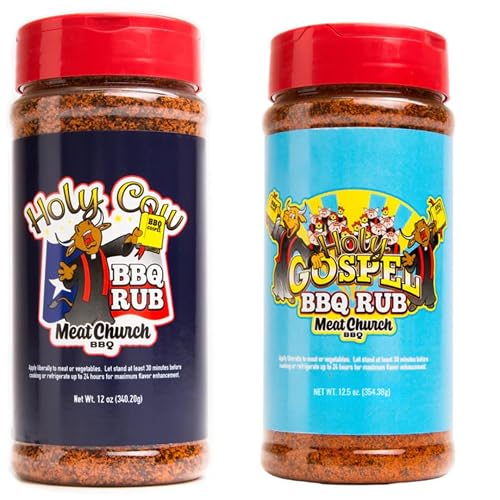
For cooks who want a sweeter pork-focused option outside this line, Weber Kansas City BBQ Rub: How to Use It for Ribs, Brisket and Pork is a useful reference point, and Meat Church BBQ Rub Review: Features and Performance covers another widely used competition-style line.
FAQ
Is the Tuffy Stone Classic BBQ Rub sweet or savory?
It is described as savory with a little sweet heat. The savory base dominates, with only a light sweetness, so it reads closer to a seasoned salt-and-pepper style blend than to a sugary Kansas City rub.
What meats is it recommended for?
The listing names ribs, brisket, pork shoulders and smoked chicken. It is a general-purpose rub, so it can be used on other proteins, though those four are the uses the product is marketed for.
Is it gluten free?
The product is labeled gluten free. Cooks with celiac disease or gluten sensitivity should still read the current package label before buying, since formulations can change.
Does it contain a lot of salt?
Salt is a core component of a savory rub. If you are cooking for someone on a sodium-restricted diet, reduce or skip added salt on the meat and check the sodium content on the package. Consult a healthcare professional if you have medical dietary restrictions.
How should I apply it?
Use a binder such as yellow mustard or olive oil, apply the rub evenly, and let it sit for at least 45 minutes before cooking. For large cuts like brisket or pork shoulder, an overnight rest in the refrigerator tends to improve seasoning depth.
Can I use it on a pellet grill or smoker?
Yes. Savory rubs are generally well suited to pellet grills and offset smokers running low and slow. Keep the grill temperature steady and let the bark form before wrapping or saucing.
Is it spicy?
The heat is described as a little sweet heat, which points to a mild warmth rather than a strong chili burn. Cooks who want more heat can add cayenne or a hotter blend on top.
How does it compare to the sweet version?
The Sweet version is bolder and honey-forward, while the Classic is savory and meat-focused. Choose based on whether you want the sugar to lead the bark or the seasoning to stay in the background.
Final Verdict
The Tuffy Stone Classic BBQ Rub is a sensible, versatile savory blend for cooks who want one rub across ribs, brisket, pork shoulder and chicken. Its strengths are balance, approachability and a clear intended use. Its limits are the salt level, the mild heat, and a savory profile that will not satisfy anyone chasing a sweet Kansas City bark. If that matches your cooking style, it is a solid pick. If you need sugar-forward bark or sodium control, look at the alternatives above first.
Related reading
About Claire Whitaker
Claire Whitaker is part of our editorial team and reviews and edits our BBQ & grilling guides, checking product details against manufacturer specifications and owner feedback.