By Claire Whitaker
Updated November 2026
Lillie’s Q Carolina Dirt BBQ Rub is a sugar-based, Southern-spiced seasoning aimed at people who want a sweet, slightly tangy bark on ribs and pork without mixing their own blend. It suits home cooks who like a sweeter profile and want a ready-made option for weekend cooks. It is less suited to buyers who want a savory, salt-forward Texas-style rub or a very low-sugar seasoning, and those shoppers will likely be happier looking elsewhere.

Lillie’s Q – Carolina Dirt BBQ Rub, Sugar-Based BBQ Rub, Traditional Carolina Barbeque Rub, Sweetened Blend of Southern Spices, Perfect Barbeque Seasoning for Ribs, Pork, & Fries (6 oz, 2-Pack)
Product Overview
The Lillie’s Q Carolina Dirt BBQ Rub is a dry seasoning sold as a two-pack of 6-ounce containers. The listing describes it as a sugar-based BBQ rub, a traditional Carolina barbecue rub, and a sweetened blend of Southern spices, positioned for ribs, pork and even fries. The name points to the “dirt” style of Carolina seasoning, which typically means a rub built around brown sugar, paprika and pepper and applied to meat before smoking or grilling.
Carolina-style seasonings are usually associated with pork, especially pulled pork shoulder and spare ribs, where a sweet crust and a little heat balance the fattiness of the meat. Because the product is sugar-based, it is designed to build color and caramelization during cooking. That makes it a practical choice for longer, lower-temperature cooks where sugar can either shine or scorch depending on how it is managed. For background on how Carolina rubs are usually built, see Carolina BBQ Dry Rub: A Step-by-Step Guide to Making and Using It.
Buyers should understand that this is a commercial, pre-mixed seasoning. You do not control the exact ratio of sugar, salt and spice, so the product is best judged by whether its overall flavor fits your cooking style rather than by how it compares to a homemade blend.
Key Features & Specifications
The following details come from the product name and listing as described. Anything not clearly stated has been left out.
| Feature | Details |
|---|---|
| Brand | Lillie’s Q |
| Product type | Dry BBQ rub / seasoning |
| Style | Traditional Carolina barbecue, “dirt” style |
| Base | Sugar-based |
| Flavor profile | Sweetened blend of Southern spices |
| Recommended uses | Ribs, pork, fries |
| Net weight per container | 6 oz |
| Pack size | 2-pack |
Pros & Cons
Pros
- Sugar-based formula that tends to build a dark, caramelized crust on pork and ribs.
- Traditional Carolina flavor profile suited to pork-focused cooks.
- Ready to use straight from the container, with no mixing or measuring.
- Two-pack format gives you a backup or the option to season a large cook.
- Versatile enough to be used on fries and other non-meat items, as the listing suggests.
Cons
- Sugar content means it can burn over high direct heat or long, hot cooks.
- Sweetness may be too strong for buyers who prefer a savory, salt-forward rub.
- You cannot adjust the balance of sugar, salt and spice to your taste.
- Not a low-sugar option for those watching carbohydrate or sugar intake.
Performance Analysis
Because this review is research-based rather than drawn from hands-on testing, the performance discussion focuses on how a sugar-based Carolina rub is generally expected to behave and on the patterns often reported by owners of similar seasonings.
In practice, sugar-based rubs behave differently from salt-and-pepper blends. Sugar helps form a bark and encourages browning, so pork shoulder and ribs often finish with a darker color and a glossy surface. The trade-off is that sugar can char before the meat is done if the grill runs hot. Owners of sweet rubs commonly recommend cooking at moderate temperatures, often in the range of 225°F to 275°F for smoking, and applying a thin layer rather than a heavy coat. Sugar-heavy seasonings also tend to draw moisture from the surface, so applying them shortly before cooking, or letting ribs rest briefly, can help the rub adhere.
Flavor-wise, the appeal is a balance of sweetness, mild heat and savory warmth. Buyers who enjoy a traditional Carolina pork flavor generally find this a comfortable match. Buyers expecting the sharp, vinegary punch of an eastern Carolina sauce, or the beefy salt-and-pepper profile of Texas brisket rubs, may find it too sweet for those cuts. For brisket-focused guidance, see Lane's BBQ Brisket Rub: 5 Best Options for Texas-Style Brisket (2026).
For ribs, the usual approach is to apply the rub to a dry or lightly oiled surface and let it sit for at least 30 minutes, or overnight in the refrigerator for deeper flavor. Owners of sugar-based rubs commonly mention that wrapping ribs partway through the cook can prevent the sugar from over-darkening. Pork shoulder can take a heavier application because the long cook gives the rub time to form a deep crust.
Using the product on fries is a more unusual application. Sugar-based seasonings can stick well to fried potatoes, but the sugar may brown quickly, so most cooks would toss fries in a small amount of rub immediately after frying and while still hot.
Who Should Buy This Product?
This rub makes sense for buyers who cook pork shoulder, spare ribs or baby back ribs and want a sweet, traditional Carolina flavor without building their own blend. It is also a good fit for people who like a caramelized crust and do not mind a sweeter overall taste.
It is a weaker choice for buyers who grill over very high heat, since the sugar can burn quickly. It also suits people less well if they need to limit sugar intake, prefer a savory, salt-heavy seasoning, or want to control every ingredient in their rub. Buyers in those groups should look at a less sweet option, such as the blends covered in 7 Best North Carolina BBQ Rubs for Pork, Ribs and Brisket (2026).
Buying Guide
When choosing a Carolina-style rub, start by checking the sugar content and the stated style. A “dirt” or sweet Carolina rub is built for pork and ribs, while a Texas-style rub is usually salt-and-pepper forward and better for beef. The next question is how much control you want over flavor. Pre-mixed rubs are convenient, but if you prefer to adjust heat or sweetness, a homemade blend may suit you better. The Simple BBQ Rib Rub: A Step-by-Step Guide for Juicy, Flavorful Ribs shows how a basic homemade rib seasoning can be built from pantry staples.
Pack size also matters. A 6-ounce container is enough for a few racks of ribs or a moderate pork shoulder, so consider how often you cook and whether a multi-pack makes sense. If you want to sample several styles before committing, a sampler set can help you compare profiles side by side.
Here are three well-known alternatives worth comparing:
-

Lilie's Q Carolina Dirt BBQ Seasoning Rub, 6 Ounce (Pack of 6)
View on Amazon
A multi-pack of the same Carolina Dirt style, useful if you already like this profile and want to stock up. -
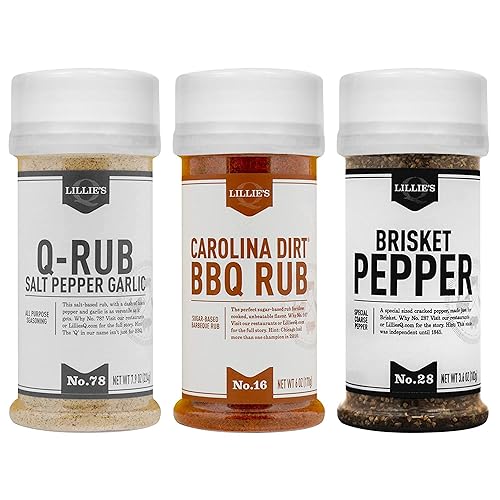
Lillie’s Q – Rub Trio, BBQ Rub Sampler, Barbeque Rubs & Spices, Rub Seasoning Set Includes Carolina Dirt (6 oz), Q-Rub (7.9 oz), & Brisket Pepper (3.6 oz) | 3-Pack
View on Amazon
A rub trio sampler that includes Carolina Dirt along with other Lillie’s Q blends, good for comparing flavors before buying in bulk.
If you want a different sweet-savory profile for ribs and chicken, you may also want to review Famous Dave's BBQ Rub: 6 Best Picks for Ribs, Chicken and Pork (2026).
FAQ
Is Lillie’s Q Carolina Dirt BBQ Rub sweet?
Yes. The listing describes it as sugar-based and sweetened, so it tastes noticeably sweet alongside its savory Southern spices. Buyers who prefer a salt-forward rub may find it too sweet.
Can I use it on brisket?
You can, but the listing points to ribs, pork and fries, and the sweetness is better suited to pork. Brisket is traditionally seasoned with a salt-and-pepper style rub, so many pitmasters would choose a different product for beef.
Will the sugar burn during cooking?
It can, especially on high direct heat or during long cooks at high temperatures. Cooking at moderate temperatures and wrapping the meat partway through can help prevent the sugar from over-darkening.
How much rub should I use on a rack of ribs?
A common approach is a thin, even layer across both sides of the rack. Owners of sugar-based rubs often recommend starting light and adding more if needed, since the sweetness can become overpowering quickly.
Should I apply it right before cooking or let it sit?
Letting the rub sit for 30 minutes to overnight generally helps flavor penetrate and adhere. Because sugar draws moisture from the surface, applying it too far ahead on very wet meat can cause a sticky, uneven coating.
Is this product suitable for a low-sugar diet?
No. Because it is sugar-based, it is not a low-sugar seasoning. If you are managing blood sugar or following a restricted diet, consult a doctor or registered dietitian before adding sweetened seasonings to your meals.
What is the difference between a Carolina dirt rub and a Kansas City rub?
Carolina dirt rubs are typically built around brown sugar, paprika and pepper with a Southern spice profile, while Kansas City-style rubs are usually sweeter and more complex, often with a broader spice mix. Both are sweet, but the flavor character differs.
Final Verdict
For a traditional, sugar-based Carolina flavor on ribs and pork, Lillie’s Q Carolina Dirt BBQ Rub is a reasonable choice, especially in a two-pack format. It rewards moderate heat and careful application, and it is less forgiving on hot, direct cooks. Buyers who prefer a savory, low-sugar, or Texas-style profile should look elsewhere.
This review is based on the product listing and general characteristics of sugar-based Carolina rubs rather than hands-on testing. If you have dietary restrictions related to sugar, consult a healthcare professional before choosing a seasoning.
Related reading
- Lane's BBQ Signature Rub Review: Is It Worth It?
- Kosmos Q Honey Killer Bee BBQ Rub Review: Is It Worth It?
About Claire Whitaker
Claire Whitaker is part of our editorial team and reviews and edits our BBQ & grilling guides, checking product details against manufacturer specifications and owner feedback.