By Claire Whitaker
Updated November 2026
If you are shopping for a big bad bbq ale rub, you are probably looking at a beer-infused seasoning set rather than a single jar, and that distinction matters. This review covers the Spiceology and Derek Wolf 4-Pack Beer-Infused BBQ Rub Set, which bundles four beer-themed blends into one purchase. It suits grillers who like to experiment with different flavor profiles across ribs, pork shoulder, chicken and brisket and who want a ready-made starting point rather than mixing their own. It is less suited to purists who prefer building rubs from scratch, people who need strictly salt-controlled seasonings, or anyone expecting a single all-purpose blend that works identically on every cut.

Sticky Bourbon Brown Ale, Sweet Carolina Blonde, Garlic Chile Lager, Big Bad BBQ Ale Spiceology Derek Wolf 4-Pack Beer-Infused BBQ Rub Set
Product Overview
The Spiceology and Derek Wolf 4-Pack Beer-Infused BBQ Rub Set is a multi-blend seasoning kit built around the idea of pairing dry rubs with beer-inspired flavor profiles. The set is marketed with four named blends: Sticky Bourbon Brown Ale, Sweet Carolina Blonde, Garlic Chile Lager and Big Bad BBQ Ale. The Big Bad BBQ Ale component is the one that matches the main keyword, and it is the blend most often recommended for general-purpose use across pork, chicken and beef.
Spiceology is a spice company that sells a wide range of blends, and the Derek Wolf collaboration brings in the name of a competition pitmaster who has built a following around accessible, flavor-forward barbecue. Packaging for these blends is typically a resealable container designed to keep the seasoning fresh between cooks. Because the set includes four separate rubs, the overall volume is spread across several flavor profiles, so each individual blend is smaller than a standard large-format jar. That is a reasonable trade-off if you want variety, but it means heavy users may go through a single blend quickly.
Owners generally describe these as ready-to-use rubs that require no mixing or measuring beyond applying them to the meat. The beer-inspired naming is more about flavor direction than literal beer content in the dry rub itself, so you should not expect a brewed taste. Think of the blends as sweet, savory and spicy profiles with malt-adjacent and caramel-leaning notes, depending on which one you pick.
Key Features & Specifications
The table below lists what the product name and standard listing information support. Where details are not confirmed, they are left out rather than estimated.
| Feature | Details |
|---|---|
| Product type | Beer-infused dry rub set (4 blends) |
| Included blends | Sticky Bourbon Brown Ale, Sweet Carolina Blonde, Garlic Chile Lager, Big Bad BBQ Ale |
| Brand collaboration | Spiceology x Derek Wolf |
| Format | Dry rub / seasoning |
| Recommended uses | Ribs, pork, chicken, beef, brisket-style cuts, vegetables |
| Set size | Four-pack |
| Ingredients | Spices, sugar and salt-based seasoning; check the label for the full list and allergen statement |
Check the individual package label for exact net weight per blend and current allergen information, since manufacturers can revise formulas.
Pros & Cons
Pros
- Four distinct flavor profiles in one purchase, which lets you test sweet, savory and spicy directions without buying separate brands.
- Ready to use straight from the container, with no need to build a custom rub from individual spices.
- The Big Bad BBQ Ale blend is positioned as a versatile all-purpose option that works across several proteins.
- Owners often report that the sugar content helps build a bark on smoked and grilled meats.
- The Spiceology brand has a broad lineup, so buyers who like a blend can explore related rubs later.
Cons
- Each individual blend is relatively small, so frequent cooks may use through a single rub quickly.
- Sweeter blends can burn on high-heat direct grilling if not applied carefully or cooked over indirect heat.
- The beer naming can set an expectation of beer flavor that the dry rub does not literally deliver.
- Pre-mixed rubs limit control over salt and sugar levels compared with building your own.
- Four blends means four different flavor profiles to learn, which can feel like more choice than a casual griller wants.
Performance Analysis
This review is based on product specifications and patterns that appear in owner feedback, not on hands-on testing. Owners of beer-inspired and sugar-containing rubs commonly report a few consistent performance traits, and those traits are a fair guide for what to expect.
On smoked pork shoulder and ribs, sugar-bearing rubs tend to form a darker, more caramelized bark over long cooks. This is generally a positive for pulled pork and St. Louis-style ribs. The main risk is scorching: if the grill runs hot or the rub sits on exposed meat during a long direct-heat sear, the sugar can darken past the point of pleasant. A practical fix is to keep smoker or grill temperatures in the range most pitmasters use for low-and-slow cooking and to wrap or spritz if the bark starts to look too dark before the meat is done.
For chicken and vegetables, the sweeter blends typically produce a glossy, sticky surface, while the Garlic Chile Lager profile leans savory with a heat element. Owners often describe the spicy blend as more assertive, so it suits people who like a noticeable kick. The Big Bad BBQ Ale blend is generally positioned as the middle ground, which is why it works well as a first blend in the set.
Brisket is a more demanding test. Brisket already has a large surface area and a long cook, so a sugar-forward rub can set a dark crust quickly. Many pitmasters season brisket with a simpler salt-and-pepper base and use sweeter blends sparingly. If you plan to use a beer-infused rub on brisket, apply a moderate coat, let the meat rest with the rub for an hour or two before cooking, and monitor color closely in the final hours.
Overall, performance will depend heavily on how you cook. Low-and-slow smoking and indirect grilling show the blends at their best. High-heat direct grilling, especially with sweet profiles, requires more attention to avoid bitterness from scorched sugar.
Who Should Buy This Product?
This set fits best if you grill or smoke several types of meat and want to explore different flavor directions without committing to a single large container. It is a good match for beginners who want reliable, pre-blended seasonings and do not want to measure out a dozen spices. It also suits cooks who enjoy the idea of a collaborative pitmaster-branded product and want to see how the blends compare side by side.
You should probably skip this set if you need strict control over sodium or sugar, which is common for people managing blood pressure or diabetes. In that case, look for a sugar-free or low-salt option and consider mixing your own blends. Skip it too if you cook large volumes every weekend and want a single bulk jar that will last longer. Competition teams and heavy-volume caterers often buy larger formats of one blend rather than a sampler.
Buying Guide
When you compare a big bad bbq ale rub set against other options, start with what you actually cook. Sweet rubs are the most forgiving on pork and chicken, while savory and spicy blends work better when you want a crust that does not darken much. Read the ingredient list for sugar and sodium, since those two items drive most of the flavor, bark and health considerations. Pay attention to package size relative to how often you cook, because a four-pack spreads volume thin. Finally, check the expiration or best-by date, since dried spices lose aroma over time.
If the Spiceology and Derek Wolf set does not match your needs, consider these well-known alternatives:
- Spiceology and Derek Wolf Big Bad BBQ Ale (single can): If you only want the Big Bad BBQ Ale blend and do not need four flavors, the single 8 oz can is the direct alternative. It keeps the same flavor direction in a smaller, resealable format.

Spiceology & Derek Wolf – Big Bad BBQ Ale – Beer-Infused Barbecue Rubs, Spices and Seasonings – Use On: Beef, Chicken, Pork, Seafood, Vegetables, Marinades, or Sauces – 8 oz Can with Resealable Lid
- Bad Byron’s Barbecue Rub (26 oz): A larger, all-purpose dry rub for pork, chicken, beef and more. It suits cooks who want a single big container for frequent use rather than a sampler set.

Bad Byron's Barbecue Rub, 26 Ounce | All-Purpose Dry Rub for Pork, Chicken, Beef & More
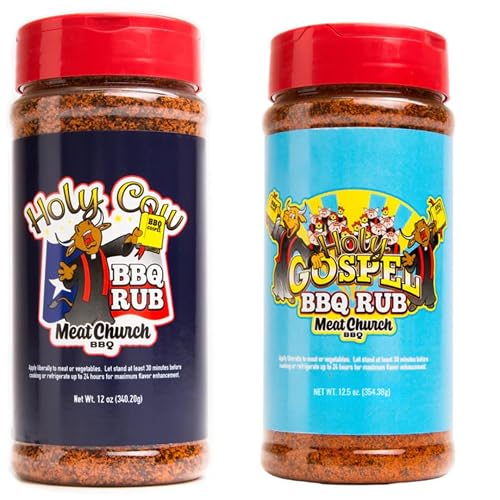
For readers who want more background on individual rub styles before deciding, these related guides may help: Meat Church BBQ Rub Review: Features and Performance, Sweet Preacher BBQ Rub Review: Is It Worth It?, and What Is Dirty South BBQ Rub and How Do You Use It?.
FAQ
Is the big bad bbq ale rub actually made with beer?
The name refers to a flavor profile inspired by beer-style malt and caramel notes, not to beer as an ingredient you add to the meat. Check the package label for the full ingredient list if you need to confirm what goes into the blend.
What meats does the Big Bad BBQ Ale blend work best on?
It is generally recommended for pork, chicken and beef, and it is often used on ribs and pork shoulder. It can also season vegetables. Apply it to meat that will cook low and slow for the best bark.
Will the sugar in this rub burn on the grill?
It can, if the grill runs very hot or the rub is exposed to direct high heat for a long time. Cook over indirect heat for longer cuts and watch the color, especially in the last stretch of cooking.
How much rub should I use on a rack of ribs?
A common starting point is a light, even coat covering all surfaces, applied about 30 minutes to an hour before cooking. Adjust to taste and to the thickness of the meat, and avoid piling it on, since heavy layers can clump and burn.
Is this set suitable for a low-sodium diet?
Pre-mixed rubs typically contain salt, so the set may not suit a strict low-sodium plan. Check the sodium content on the label and consult a registered dietitian or your doctor if you manage a condition that requires dietary restrictions.
Should I buy the four-pack or the single can?
If you want to explore several flavors, the four-pack gives you variety. If you already know you like the Big Bad BBQ Ale profile and want a smaller, targeted purchase, the single can is more practical.
How should I store the rub to keep it fresh?
Keep it sealed in a cool, dry place away from heat and sunlight. Dried spices lose potency over time, so check the best-by date and replace the container if the aroma fades noticeably.
Can I use this rub in a smoker and on a gas grill?
Yes. Smokers and indirect gas-grill setups suit sugar-containing rubs well because the heat is more controlled. Direct high heat on a gas grill is more likely to darken the surface too quickly.
Final Verdict
Our research-based take on the big bad bbq ale rub set
The Spiceology and Derek Wolf 4-Pack Beer-Infused BBQ Rub Set is a practical choice for cooks who want to explore several flavor profiles without mixing their own rubs. The Big Bad BBQ Ale blend is positioned as a versatile starting point, and the sweeter blends can build good bark on pork and ribs when cooked low and slow. The main limitations are small individual container sizes, the risk of scorching on high direct heat, and the lack of salt control for people with dietary restrictions. If you cook a variety of meats and want a sampler, it is worth considering. If you want one bulk rub or strict sodium control, one of the alternatives above may serve you better.
Related reading
- What Is a Hail Mary BBQ Rub and Is It Worth Trying?
- Weber Kansas City BBQ Rub: How to Use It for Ribs, Brisket and Pork
About Claire Whitaker
Claire Whitaker is part of our editorial team and reviews and edits our BBQ & grilling guides, checking product details against manufacturer specifications and owner feedback.