
 By Claire Whitaker
Updated November 2026
Looking for the best brisket of beef recipe but not sure where to start? Brisket rewards patience, and a good cookbook can save you from dry meat, a stalled cook and a trimming job you were not ready for. This guide compares seven recipe books built around beef brisket, from Texas-style smoking to oven and slow cooker methods. Our selection favors clear step-by-step instructions, reliable temperatures and times, coverage of trimming and resting, and recipe variety beyond a single method. Each pick is also weighed against owner feedback patterns and how well its scope matches a specific cooking setup.
Our top picks at a glance
- 1
 TOP CHOICEBest overallProject Smoke: Seven Steps to Smoked Food Nirvana, Plus 100 Irresistible RecipesView on Amazon
- 2
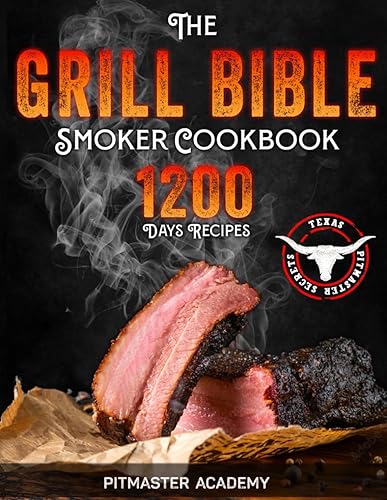 TOP CHOICEBest for Texas-style smokingThe Grill Bible • Smoker Cookbook: 1200 Days of Tender & Juicy Bbq RecipesView on Amazon
- 3
 TOP CHOICEBest for jerky and snacksWoodsman's Reserve Original Recipe Brisket Beef JerkyView on Amazon
- 4
 Best for a focused beef brisket collectionBeef Brisket RecipesView on Amazon
- 5
 Best for pantry-style cookingThe Beef Brisket Pantry: 30 Stunning Recipe'sView on Amazon
- 6
 Best for brisket history and philosophyThe Brisket Book: A Love Story with RecipesView on Amazon
- 7
 Best for mixed smoker menusSMOKING DONE RIGHT: 125 Big-Flavor Recipes for Brisket, Ribs, Pork, ChView on Amazon
Our Top Picks
The table below gives a quick overview. Each product has its own section afterward with specs, pros, cons and a bottom line.
| Product | Best for | Key feature |
|---|---|---|
| Project Smoke: Seven Steps to Smoked Food Nirvana | Overall smoking foundations | Classic slam-dunk brisket plus broad smoked recipes |
| The Grill Bible Smoker Cookbook | Texas-style brisket technique | Focus on tender, juicy results and brisket secrets |
| Woodsman’s Reserve Original Recipe Brisket Beef Jerky | Jerky and snack projects | Brisket-flavored jerky recipe |
| Beef Brisket Recipes | Brisket-only recipe collection | Single-focus brisket recipes |
| The Beef Brisket Pantry | Pantry-friendly cooking | 30 brisket recipes in one volume |
| The Brisket Book: A Love Story with Recipes | Learning the brisket story | Narrative approach with recipes |
| Smoking Done Right | Mixed smoker menus | Brisket alongside ribs, pork and poultry |
Project Smoke: Seven Steps to Smoked Food Nirvana, Plus 100 Irresistible Recipes
Project Smoke: Seven Steps to Smoked Food Nirvana, Plus 100 Irresistible Recipes from Classic (Slam-Dunk Brisket) to Adventurous (Smoked Bacon-Bourbon … (Steven Raichlen Barbecue Bible Cookbooks)
Best for: Overall smoking foundations
This is a good fit for cooks who want a foundation in smoke management and a wide range of smoked dishes, with brisket as one of the classics. It suits readers who plan to expand beyond brisket over time.
Key specs:
- Part of the Steven Raichlen Barbecue Bible series
- Includes the classic slam-dunk brisket recipe
- Covers around 100 smoked recipes
Pros:
- Strong grounding in smoke fundamentals
- Wide variety beyond brisket
- Well-known series with a long reputation among barbecue readers
Cons:
- Brisket is one chapter among many, so depth is limited
- Broad scope means less time on any single cut
Bottom line: A strong first smoker book for cooks who want brisket plus a full smoking education.
The Grill Bible • Smoker Cookbook: 1200 Days of Tender & Juicy Bbq Recipes
The Grill Bible • Smoker Cookbook: 1200 Days of Tender & Juicy Bbq Recipes to Surprise Your Guests | Discover the Ultimate Texas Brisket Secrets and Become an Award-Winning Pitmaster
Best for: Texas-style smoking
Aimed at backyard pitmasters who want to learn Texas-style brisket technique, including trimming, bark development and holding meat for long cooks.
Key specs:
- Smoker-focused cookbook
- Explicit emphasis on Texas brisket secrets
- Broad range of tender, juicy barbecue recipes
Pros:
- Clear focus on brisket technique
- Useful for building bark and managing long cooks
- Good match for offset and pellet smokers
Cons:
- Marketing-heavy title; check the table of contents before buying
- Less useful for oven or slow cooker cooks
Bottom line: Pick this if your main goal is smoked brisket with a Texas-style approach.
Woodsman’s Reserve Original Recipe Brisket Beef Jerky
Woodsman's Reserve Original recipe brisket beef jerky.
Best for: Jerky and snack projects
Best for cooks who want to use brisket flavor in a shelf-stable snack rather than a full roast. It suits people who already own a dehydrator or smoker.
Key specs:
- Brisket-flavored jerky recipe
- Focused on a single product
Pros:
- Narrow, practical focus
- Useful if you want a brisket-style snack
- Easy to follow for beginners
Cons:
- Not a full brisket roast guide
- Limited coverage of smoking or oven methods
Bottom line: Choose this only if jerky is your goal, not a traditional roast.
Beef Brisket Recipes
Beef Brisket Recipes
Best for: Brisket-only recipe collection
A straightforward option for cooks who want a book centered entirely on brisket, rather than a general barbecue volume.
Key specs:
- Single-subject brisket focus
Pros:
- Concentrated on one cut
- Simple to browse for quick ideas
- Good for cooks with many brisket recipes in mind
Cons:
- Details on technique may be lighter than dedicated smoking books
- Check the preview for recipe quality and clarity
Bottom line: A good pick for brisket lovers who want variety within one cut.
The Beef Brisket Pantry: 30 Stunning Recipe’s
The Beef Brisket Pantry: 30 Stunning Recipe's (The Butcher Shop Pantry Book 2)
Best for: Pantry-style cooking
Suited to home cooks who want brisket recipes that use everyday ingredients and fit into weeknight or batch cooking.
Key specs:
- Thirty brisket recipes in one volume
- Part of a pantry-style cookbook series
Pros:
- Good recipe count for the price of a focused book
- Practical, pantry-minded approach
- Useful for leftovers and variety
Cons:
- Less focus on smoker technique
- Title contains a typo, which may signal less editing polish
Bottom line: Best for cooks who want many brisket dishes for everyday meals.
The Brisket Book: A Love Story with Recipes
The Brisket Book: A Love Story with Recipes
Best for: Learning the brisket story
A narrative-driven book for readers who enjoy background, history and the culture around brisket alongside the recipes.
Key specs:
- Combines storytelling with recipes
Pros:
- Engaging read beyond the kitchen
- Gives context to regional brisket styles
- Good gift for barbecue fans
Cons:
- Less hands-on instruction than technique-focused books
- Older title; check whether recipes match your method
Bottom line: Pick this if you value story and tradition as much as the recipe itself.
SMOKING DONE RIGHT: 125 Big-Flavor Recipes for Brisket, Ribs, Pork, Chicken, Turkey, Seafood & Wild Game
SMOKING DONE RIGHT: 125 Big-Flavor Recipes for Brisket, Ribs, Pork, Chicken, Turkey, Seafood & Wild Game (MASON REED KITCHEN- Simple Ingredients. Serious Flavor. Book 4)
Best for: Mixed smoker menus
For cooks who run a smoker often and want brisket alongside other proteins, from ribs to wild game.
Key specs:
- 125 recipes across many proteins
- Part of the Mason Reed Kitchen series
Pros:
- Large recipe count across meats
- Good for a full smoker rotation
- Simple-ingredient approach
Cons:
- Brisket is one of many topics, so depth is limited
- Less detail on long-cook brisket technique
Bottom line: A good all-around smoker book if brisket is one of several cuts you plan to cook.
Buying Guide
Cooking method
Decide whether you will smoke, oven-roast or slow cook before buying. Smoking recipes emphasize wood smoke, bark and long, steady temperatures, while oven and slow cooker methods focus on braising and moisture. Match the book to your equipment. If you cook on a pellet grill or offset smoker, look for technique sections. For a guide that covers related methods, see Texas Oven-Roasted Beef Brisket: A Step-by-Step Guide for Tender Results and Beef Brisket Recipe Oven: Step-by-Step Guide for Tender Results.
Good picks for this: The Grill Bible Smoker Cookbook, Project Smoke
Recipe focus versus variety
Single-subject brisket books give depth on one cut, while broader books cover many proteins. If you already know you love brisket, a focused volume may serve you better. If you cook for a family with different tastes, a wider book can add variety. Browse the table of contents and sample recipes where possible.
Good picks for this: Beef Brisket Recipes, Smoking Done Right
Technique and instruction clarity
Look for books that explain trimming, seasoning, temperature targets and resting times. A good brisket book should state internal temperatures and approximate cook times, and explain how to handle the stall. Be cautious with any recipe that gives times without temperature cues, since brisket cook times vary with size and equipment. For food safety guidance on cooking temperatures, consult the USDA Food Safety and Inspection Service.
Good picks for this: Project Smoke, The Grill Bible Smoker Cookbook
Scope and recipe count
Recipe count is only useful if the recipes are well written. A book with thirty brisket recipes can still be thin on method. Compare how many pages go to technique versus recipes, and whether there are variations for different heat sources.
Good picks for this: The Beef Brisket Pantry, Smoking Done Right
Storytelling and background
Some readers want history, regional context and the culture of barbecue. Narrative books can be inspiring, but they often provide fewer step-by-step instructions. Decide whether you want to learn the story or just get dinner on the table.
Good picks for this: The Brisket Book: A Love Story with Recipes
Snack and alternative uses
Brisket flavor also works in jerky and other snacks. If you have a dehydrator or smoker and want a shelf-stable product, a dedicated recipe may be more useful than a roast guide.
Good picks for this: Woodsman’s Reserve Original Recipe Brisket Beef Jerky
Food safety and handling
Any brisket recipe should include guidance on safe handling, thawing and holding temperatures. Look for references to safe internal temperatures and cooling leftovers promptly. For official guidance, the USDA Food Safety and Inspection Service publishes meat handling recommendations. Consult a food safety professional if you have specific health concerns.
Good picks for this: Project Smoke, Smoking Done Right
FAQ
What is the best brisket of beef recipe for beginners?
Beginners often do well with a book that explains trimming, seasoning and temperature targets in plain steps. Project Smoke offers a strong foundation with a classic brisket recipe and general smoking instruction.
Should I smoke or oven-cook brisket?
Smoking gives bark and smoke flavor, while oven cooking is easier to control and suits cooks without a smoker. Choose a book that matches your equipment.
How long does brisket take to cook?
Brisket cook times depend on weight, temperature and equipment. Most recipes give ranges, and temperature is a better guide than time. Check the internal temperature with a probe thermometer.
Do I need to wrap brisket?
Many cooks wrap brisket partway through the cook to push past the stall and keep moisture. Some recipes skip wrapping for more bark. Choose the method that fits your preference.
How much brisket should I buy per person?
Plan roughly half a pound of cooked meat per person, though brisket loses weight during cooking. Check each recipe for guidance on raw weight.
Can I use leftover brisket in other recipes?
Yes. Leftover brisket works well in tacos, chili and sandwiches. For ideas, see Recipes Using Leftover Brisket: 6 Easy Ideas That Taste Great and Leftover Beef Brisket Recipes: 6 Easy Ideas for Next-Day Meals.
Is it safe to rest brisket at room temperature?
Brisket should be held hot or refrigerated promptly after cooking. Consult USDA food safety guidance for holding and cooling times, and a food safety professional for specific concerns.
Conclusion
The best brisket of beef recipe for you depends on your cooking method and goals. Project Smoke suits cooks who want a smoking foundation, while The Grill Bible Smoker Cookbook is a strong pick for Texas-style technique. Beef Brisket Recipes and The Beef Brisket Pantry offer focused variety, The Brisket Book suits readers who enjoy the story, and Smoking Done Right fits mixed smoker menus. Jerky fans may prefer Woodsman’s Reserve. Match the book to your equipment and skill level, then start with one recipe and refine it over time.
Sources
- Safe internal cooking temperatures and meat handling guidance from the Food Safety and Inspection Service (usda.gov)
- Food safety information on refrigeration, cooling and holding cooked foods (fda.gov)
- Research-based cooking and food preservation guidance from university extension programs (extension.org)
Related reading
About Claire Whitaker
Claire Whitaker is part of our editorial team and reviews and edits our BBQ & grilling guides, checking product details against manufacturer specifications and owner feedback.