 By Ethan Brooks
Updated November 2026
If you are trying to pin down smoking time for beef brisket, you have probably noticed that the answer changes with the size of the packer, the temperature of your smoker and how you handle the stall. A good reference book can save you a lot of trial and error. This list compares three books aimed at home pitmasters who want a reliable framework for timing, temperature targets and doneness. Selection criteria: clarity of the timing and temperature guidance, coverage of wrapping and resting, the depth of technique for backyard cookers, and consistent owner and reader feedback about how well the advice holds up in practice.
Our top picks at a glance
- 1
 TOP CHOICEBest overallThe Art of Smoking BrisketView on Amazon
- 2
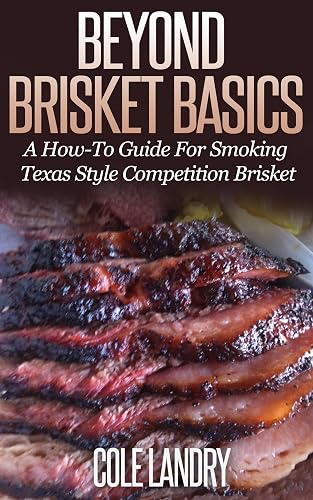 Best for Texas-style competition cooksBeyond Brisket Basics: A How-To Guide On Smoking Texas Style Competition BrisketView on Amazon
- 3
 Best for a thorough, step-by-step referenceBrisket: The Complete Guide to Smoking Brisket Like the Pros (Best BarView on Amazon
Our Top Picks
Quick Comparison
| Product | Best for | Key feature |
|---|---|---|
| The Art of Smoking Brisket | Backyard cooks wanting a balanced overall guide | Broad coverage from trimming to resting |
| Beyond Brisket Basics: A How-To Guide On Smoking Texas Style Competition Brisket | Texas-style enthusiasts and competition-minded cooks | Detailed focus on Texas-style technique and timing |
| Brisket: The Complete Guide to Smoking Brisket Like the Pros (Best Barbecue Quality Lab Series) | Readers who want an exhaustive, systematic reference | Thorough, methodical treatment of smoking variables |
The Art of Smoking Brisket
The Art of Smoking Brisket
Best for: A well-rounded overall brisket reference
This suits cooks who want one book that covers the whole process, from selecting and trimming a packer to managing smoker temperature and deciding when to wrap. It is a good starting point if you are still learning how the stall affects smoking time for beef brisket.
Key specs
- Format: printed book covering smoking brisket from start to finish
- Focus: practical process guidance for home smokers
Pros
- Covers the full cook, including prep, smoke and rest
- Useful framing for judging doneness beyond the clock
- Accessible to readers new to smoking
Cons
- Less granular on competition-specific tweaks
- Readers wanting deep Texas-style detail may want a second book
Bottom line: A strong pick if you want one reliable all-around resource before you start experimenting with timing and temperature.
Beyond Brisket Basics: A How-To Guide On Smoking Texas Style Competition Brisket
Beyond Brisket Basics: A How-To Guide On Smoking Texas Style Competition Brisket
Best for: Texas-style cooks focused on bark and competition-level results
This book fits readers who already understand the basics and want to refine their approach to Texas-style brisket. Owners often report that its emphasis on technique helps them plan cooks around the stall and the wrap, which are the biggest variables in total smoking time.
Key specs
- Format: printed how-to guide
- Focus: Texas-style competition brisket technique
Pros
- Specific attention to Texas-style bark and smoke management
- Helpful for planning cooks around the stall
- Good for cooks aiming for consistent competition-style results
Cons
- Assumes some prior smoking experience
- Less focused on general backyard or non-Texas styles
Bottom line: The right choice if your goal is Texas-style brisket and you want to tighten up your timing and bark.
Brisket: The Complete Guide to Smoking Brisket Like the Pros (Best Barbecue Quality Lab Series)
Brisket: The Complete Guide to Smoking Brisket Like the Pros (Best Barbecue Quality Lab Series (English Version))
Best for: Readers who want a systematic, in-depth reference
This title is aimed at cooks who like to understand the reasons behind each step. Its comprehensive structure makes it useful for building a repeatable method and for checking your own smoking time for beef brisket estimates against a detailed framework.
Key specs
- Format: printed complete guide
- Focus: comprehensive, methodical brisket smoking
Pros
- Thorough treatment of variables that affect cook time
- Structured, easy to reference during a cook
- Suits cooks who prefer a systematic approach
Cons
- Can be dense for casual weekend cooks
- Some readers may find parts of it more detailed than they need
Bottom line: Best for cooks who want depth and a repeatable method rather than a quick overview.
Buying Guide
Check how the book handles timing and temperature
Smoking time for beef brisket usually lands somewhere around 1 to 1.5 hours per pound at around 225 to 250°F, but that is a rough planning figure, not a guarantee. Look for a book that explains why times vary and gives internal temperature targets, typically around 195 to 205°F for doneness, rather than just a clock estimate.
Good picks for this: The Art of Smoking Brisket, Brisket: The Complete Guide to Smoking Brisket Like the Pros
Look for coverage of the stall and wrapping
The stall, a plateau where internal temperature stops rising for hours, is the main reason cooks misjudge total time. A useful guide explains when and how to wrap, whether with butcher paper or foil, and how that choice changes the finish.
Good picks for this: Beyond Brisket Basics, The Art of Smoking Brisket
Match the style to your goals
Texas-style brisket, with heavy seasoning and a dark bark, is a different project from a smoother, more backyard-oriented cook. Choose a book whose style focus matches what you actually plan to make.
Good picks for this: Beyond Brisket Basics, Brisket: The Complete Guide to Smoking Brisket Like the Pros
Consider the level of detail you need
Beginners often do well with an overview that covers the full process. Experienced cooks may want granular notes on fat rendering, probe feel and smoke management.
Good picks for this: The Art of Smoking Brisket, Brisket: The Complete Guide to Smoking Brisket Like the Pros
Check the format and how you will use it
A book you can prop up beside the smoker, with clear headings and quick-reference timing tables, is more useful mid-cook than dense prose. Flip through a sample if you can before buying.
Good picks for this: Brisket: The Complete Guide to Smoking Brisket Like the Pros, The Art of Smoking Brisket
Think about how the advice transfers to your smoker
Times differ between offset smokers, pellet grills and kamado-style cookers. A good book should acknowledge that smoker type affects airflow, heat recovery and smoke, and help you adjust rather than follow a single schedule blindly.
Good picks for this: Beyond Brisket Basics, The Art of Smoking Brisket
Use a book alongside a probe thermometer
No book replaces a reliable leave-in or wireless probe. Use the guide for planning and technique, and rely on internal temperature and probe feel to decide when the brisket is done.
Good picks for this: The Art of Smoking Brisket, Brisket: The Complete Guide to Smoking Brisket Like the Pros
FAQ
How long does it take to smoke a beef brisket?
A common planning estimate is roughly 1 to 1.5 hours per pound at 225 to 250°F, but actual smoking time for beef brisket can run longer because of the stall. Plan extra time and cook to internal temperature, not the clock.
What internal temperature should brisket reach?
Many cooks pull brisket in the range of about 195 to 205°F, checking for probe tenderness, meaning the probe slides in with little resistance. Exact targets vary by cut and preference.
Should I wrap brisket during the stall?
Wrapping can shorten the stall and help retain moisture. Butcher paper tends to preserve more bark than foil, though both are widely used. Choose based on the bark texture you want.
Why does brisket take so long?
Brisket is a tough cut rich in connective tissue. It needs sustained low heat for that collagen to break down into gelatin, which is what makes the meat tender rather than chewy.
Can I speed up brisket smoking time?
Raising the smoker temperature can shorten the cook, but it may reduce tenderness and bark quality. Many experienced cooks prefer steady low temperatures for the best results.
Do these books replace a probe thermometer?
No. A books-based plan works best alongside a reliable probe thermometer so you can monitor internal temperature and judge tenderness directly.
Conclusion
For a balanced, all-around reference on smoking time for beef brisket, The Art of Smoking Brisket is a sensible first choice. Texas-style enthusiasts who want to refine bark and stall management will find Beyond Brisket Basics more focused. Readers who want an exhaustive, methodical guide should consider Brisket: The Complete Guide to Smoking Brisket Like the Pros. Pair any of them with a good probe thermometer and cook to temperature and feel rather than the clock.
Sources
- Food safety guidance on safe internal cooking temperatures for beef (usda.gov)
- Meat and poultry cooking and thermometer guidance from the USDA food safety service (fsis.usda.gov)
- Research-based cooking and food preparation information from university extension networks (extension.org)
Before you buy: helpful guides
Related reading
- 7 Best Smoking Beef Brisket on Pellet Grill Options for Backyard Cooks (2026)
- 6 Best Whole Packer Beef Brisket Picks for Smoking (2026)
- 5 Best BBQ Beef Brisket Rub Picks for Texas-Style Smoking (2026)
- How to BBQ Different Beef Cuts: From Brisket to Ribeye
About Ethan Brooks
Ethan Brooks is part of our editorial team and reviews and edits our BBQ & grilling guides, checking product details against manufacturer specifications and owner feedback.