By Claire Whitaker
Updated November 2026
A cherry cola BBQ rub sits in a niche that many pitmasters find appealing: sweet, fruity, and a little nostalgic, but still built for smoke. This review looks at the Fire & Smoke Society Cherry Cola BBQ Rub in a 6.7 oz container, based on its listed specifications and the patterns owners tend to report. It suits cooks who want a sweeter bark on pork ribs, pork shoulder, or chicken and who enjoy bold, soda-inspired flavors. It is less suitable for anyone who prefers a classic salt-and-pepper Texas profile, cooks who need a low-sugar seasoning, or anyone who wants to season brisket with a heavy, savory crust.

Fire & Smoke Society Cherry Cola BBQ Rub | 6.7 oz | Seasoning for Smoking
Product Overview
The Fire & Smoke Society Cherry Cola BBQ Rub is a dry seasoning marketed for smoking and grilling. The product name signals its flavor direction: cherry and cola notes layered into a barbecue rub format. Most sweet rubs in this category lean on brown sugar, paprika, and spice blends, and the cherry cola angle adds a fruit-forward dimension that sets it apart from more traditional options.
The packaging is a 6.7 oz container, a size that suits occasional cooks and people who want to try a flavor before committing to a larger bag. Because it is sold as a finished blend, there is no mixing or measuring required before use. You shake it on, let it rest, and cook. For readers who like to build their own rubs, the blend can also serve as a base or a finishing layer over a plain salt-and-pepper coat.
If you are comparing sweet rubs in general, it helps to know how fruit-forward blends behave on the grill. Our guide to Sweet Preacher BBQ Rub Review: Is It Worth It? covers a different sweet-leaning rub, and Sugar Free BBQ Rub: How to Make One That Tastes Great (2026) explains how to get sweetness without the sugar. Both are useful context before you buy.
Key Features & Specifications
The table below lists the specifications that are confirmed by the product name and listing. Details not clearly stated are left out rather than estimated.
| Feature | Details |
|---|---|
| Brand | Fire & Smoke Society |
| Product type | Dry BBQ rub / seasoning for smoking |
| Flavor profile | Cherry cola, sweet and fruit-forward |
| Net weight | 6.7 oz |
| Intended use | Smoking and grilling |
| Form | Dry, shake-on seasoning |
| Application | Pork, chicken, and other meats suited to sweet rubs |
Manufacturers of sweet dry rubs typically recommend applying a generous, even coat and letting the meat rest with the seasoning for at least 30 minutes to an hour before cooking, or longer for larger cuts. Always check the label on your specific container for storage and sodium information, since these details can change between production runs.
Pros & Cons
Pros
- Distinct cherry cola flavor that differs from standard brown-sugar rubs
- Ready to use with no mixing required
- 6.7 oz size works well for trying the flavor without a large commitment
- Pairs naturally with pork ribs, pork shoulder, and chicken
- Can be layered over a plain base rub for extra sweetness and color
Cons
- Sweet rubs can burn at high grill temperatures, so heat control matters
- The fruit-and-soda profile is polarizing and may not suit traditional barbecue fans
- Small container size means heavy users will go through it quickly
- Not a fit for cooks who need a low-sugar or sugar-free seasoning
- Limited flexibility if you want a savory, peppery crust on brisket
Performance Analysis
Performance for a sweet dry rub depends less on raw specifications and more on how the blend interacts with heat, time, and the cut of meat. Owners of cherry-forward and cola-style rubs tend to describe similar patterns, and those patterns are worth understanding before you fire up the smoker.
Bark and Color
Sugar and fruit solids caramelize and darken quickly. On pork ribs and shoulder, owners often report a deep mahogany bark with a glossy finish. That color looks appealing, but it also means you should watch the surface closely. Once the sugars begin to darken past the point of caramelization, the bark can turn bitter. Many cooks handle this by keeping smoker temperatures moderate, usually in the 225 to 275 °F range, and by wrapping or spritzing when the bark reaches the color they want.
Flavor Balance
The cherry and cola notes tend to come through most clearly on pork and chicken, where the meat is mild enough to let the fruit and caramel flavors stand out. On fattier cuts, the sweetness balances the richness well. On beef, particularly brisket, the flavor can feel out of place for people used to a salt-and-pepper profile. Owners who try it on beef often report that it works better as a secondary seasoning than as the primary rub.
Heat Tolerance
Because the rub contains sugar, it is more prone to scorching than a purely savory blend when cooked over direct, high heat. Reverse-searing or finishing over lower heat helps prevent a burnt, acrid crust. For gas and charcoal grills, a two-zone setup lets you move the meat away from the hottest area if the surface starts to darken too quickly.
Practical Tips
- Apply the rub a little heavier than you would a savory blend, since sweetness dilutes across the surface during cooking.
- Give the meat time to absorb the seasoning, ideally in the refrigerator for several hours or overnight.
- Keep an eye on internal temperature rather than relying on color alone.
- Consider a thin mustard or oil binder if you want the rub to adhere more evenly.
For a deeper look at how sweet and savory rubs differ on the same cut, Ultimate BBQ Pork Rub Recipe: Step-by-Step for Ribs and Shoulder walks through a classic pork approach you can compare against.
Who Should Buy This Product?
This rub makes the most sense for cooks who already enjoy sweet barbecue and want something beyond brown sugar and paprika. It is a natural fit for backyard pitmasters working with pork ribs, pork shoulder, or chicken thighs who like a glossy, fruit-tinged bark. Gift buyers looking for a novelty seasoning for a grilling enthusiast may also find it appealing, since the flavor is memorable.
You should probably skip it if you cook mostly brisket, prefer a traditional Central Texas or Kansas City profile, or need a sugar-free or low-sodium seasoning for dietary reasons. Anyone managing blood sugar or following a restricted diet should check the label and consult a healthcare professional or registered dietitian before adding sweet seasonings to regular meals.
Buying Guide
Choosing a sweet BBQ rub comes down to flavor preference, the cuts you cook most often, and how much you are willing to adjust your technique. Start by deciding whether you want a fruit-forward profile like cherry cola or a more familiar brown-sugar base. Then consider the size. A 6.7 oz container is a reasonable trial size, while larger bags make sense if you cook for groups every weekend.
It also helps to compare the blend against other popular options in the same space. A well-known alternative is the Heath Riles BBQ Rub, a championship-oriented seasoning often used on ribs, pork, brisket, and chicken. Its cherry BBQ profile offers a sweeter, more traditional barbecue character than a cola-style blend, and it comes in a larger 16 oz size.

BBQ Rub Seasoning for Smoking & Grilling – Dry Rub for Ribs, Pork, Brisket & Chicken, 80+ BBQ Championships, 16 oz Heath Riles BBQ Rub – Cherry BBQ Seasoning – Championship Recipe
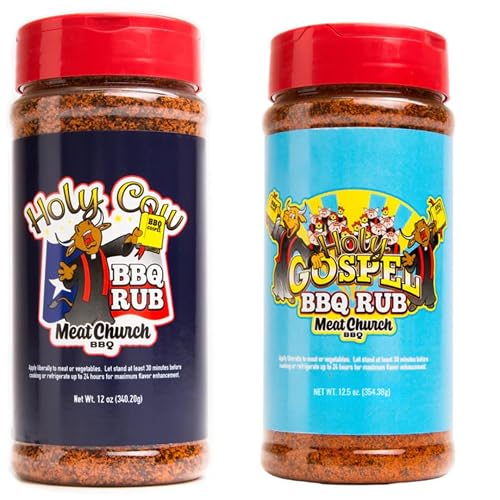
Cooks who want a broader range of barbecue flavors may prefer a combo pack. The Meat Church BBQ Rub Combo includes two blends and works on meat and vegetables, which can be a practical choice if you want to test more than one profile at once.

Meat Church BBQ Rub Combo: Honey Hog (14 oz) and Holy Gospel (14 oz) BBQ Rub and Seasoning for Meat and Vegetables, Gluten Free, One Bottle of Each
When comparing any of these, look at the ingredient list for sugar and salt content, check how the blend is intended to be used, and think about whether you will apply it to beef, pork, or poultry most often. For readers who want to make their own sweet blend, Rib Rub Recipe for BBQ: A Step-by-Step Guide to Sweet, Smoky Ribs provides a homemade starting point you can adjust.
FAQ
Does cherry cola BBQ rub taste like soda?
The flavor suggests cherry and cola notes rather than tasting like a carbonated drink. Owners generally describe a sweet, caramel-like character with fruity undertones, which shows up most clearly on mild meats such as pork and chicken.
What meats work best with this rub?
Pork ribs, pork shoulder, and chicken are the most natural pairings for a sweet, fruit-forward rub. Beef, especially brisket, is a less common match, though some cooks use it as a secondary seasoning.
Can I use it on the grill as well as in the smoker?
Yes, but because the rub contains sugar, direct high heat can cause scorching. Lower temperatures or a two-zone setup help keep the bark from turning bitter on either a grill or smoker.
How long should I let meat sit with the rub before cooking?
A common approach is at least 30 minutes for smaller cuts and several hours or overnight for larger ones. Longer resting time allows the seasoning to penetrate and bond with the surface.
Is this rub suitable for a low-sugar diet?
No. Because the blend is sweet by design, it is not a fit for low-sugar or sugar-free diets. Anyone with dietary restrictions should review the label and consult a healthcare professional or registered dietitian.
Should I add salt when using this rub?
Check the label for sodium content before deciding. Many sweet rubs are formulated to be used on their own, and adding extra salt may make the finished meat too salty. Taste as you go when you are unsure.
How should I store the rub after opening?
Keep the container tightly sealed in a cool, dry place away from direct sunlight and heat. Humidity can cause clumping, and sugar-based rubs are especially prone to this. Follow any storage guidance printed on the packaging.
Final Verdict
The Fire & Smoke Society Cherry Cola BBQ Rub is a distinctive option for cooks who want a sweet, fruit-forward bark on pork and chicken. Its strengths are a memorable flavor, a convenient shake-on format, and a trial-friendly size. Its limits are the sweetness that can scorch over high heat, a profile that won’t suit everyone, and a container that heavy users will finish quickly. If you enjoy experimenting with bold barbecue flavors and cook mostly pork or poultry, it is worth a look. If you want a traditional savory rub or a sugar-free seasoning, look elsewhere.
Related reading
About Claire Whitaker
Claire Whitaker is part of our editorial team and reviews and edits our BBQ & grilling guides, checking product details against manufacturer specifications and owner feedback.