By Claire Whitaker
Updated November 2026
If you want a hot honey BBQ rub that brings sweetness, smoke and a real kick without needing a separate sauce, the Meat Church Honey Hog Hot BBQ Rub is one of the most talked-about options in the category. This review covers the Honey Hog and Honey Hog Hot combo listing, which bundles both blends in one order. It is a good fit for pitmasters and home cooks who want a ready-made sweet-heat profile for ribs, pork shoulder, chicken and vegetables. It is a weaker choice for anyone who wants a purely savory rub, dislikes sugar in dry rubs, or prefers to build their own seasoning from scratch. Because the combo includes the non-hot Honey Hog as well, buyers who only want heat may find they pay for more than they need.

Meat Church Honey Hog BBQ Rub Combo: Honey Hog (14 oz) and Honey Hog Hot (13 oz) BBQ Rub and Seasoning for Meat and Vegetables, Gluten Free, One Bottle of Each
Product Overview
The Meat Church Honey Hog BBQ Rub Combo is a two-bottle set from Meat Church, a brand known for competition-style seasonings developed around barbecue cooking. The listing includes one bottle of Honey Hog, a sweet, mildly seasoned rub, and one bottle of Honey Hog Hot, which adds chili heat to the same honey-forward base. The packaging is designed for grilling and smoking meat, and the listing states the blends are gluten free and suitable for vegetables as well as meat.
The idea behind the product is straightforward. Rather than measuring sugar, salt, pepper, paprika and chili separately, the cook shakes on a blend that already balances sweetness, salt and spice. Owners who cook ribs and pork often use the mild version as a base seasoning and the hot version when they want more bite, though the listing itself does not prescribe a formal ratio.
Meat Church sells a broad line of rubs, and the Honey Hog family is one of its best-known sweet profiles. Because the combo puts both versions in one listing, it works as a way to test the flavor family before committing to larger containers of a single blend.
Key Features & Specifications
The table below lists the specifications stated in the listing. Details that are not confirmed in the product name have been left out.
| Feature | Details |
|---|---|
| Product type | BBQ rub and seasoning combo |
| Included blends | Honey Hog (14 oz) and Honey Hog Hot (13 oz) |
| Quantity | One bottle of each |
| Flavor profile | Honey-sweet (mild) and honey-sweet with heat (hot) |
| Dietary note | Gluten free, per listing |
| Intended use | Meat and vegetables |
| Brand | Meat Church |
Manufacturers in this category typically recommend storing rubs in a cool, dry place with the lid tightly closed. Keep the bottles away from direct sunlight and heat sources, since sugar-based rubs can clump if they absorb moisture.
Pros & Cons
Pros
- Sweet-and-heat profile is ready to use on ribs, pork, chicken and vegetables with no added ingredients.
- Two flavor levels in one order let you season mild for some dishes and hot for others.
- Listing states the blends are gluten free, which matters for households with gluten sensitivities.
- Works as both a dry rub before smoking or grilling and a finishing shake after cooking.
- Honey-based sugar content helps build bark and caramelization on smoked meats, according to common owner reports.
Cons
- Sugar content means the rub can burn over high direct heat if the cook is not watching the temperature.
- The combo may be more than some buyers need if they only plan to use the hot blend.
- Honey-forward rubs can taste overly sweet to people who prefer a savory, pepper-led bark.
- Pre-mixed blends offer less control over salt and sugar levels than building a custom rub.
- Heat level in the hot version may be too strong for guests who do not eat spicy food.
Performance Analysis
Because this review is based on the product’s listed specifications and patterns that owners commonly describe, it does not claim laboratory or side-by-side testing. The following reflects what the formulation type suggests and what buyers of sweet BBQ rubs typically report.
Flavor and Bark Formation
Sweet dry rubs generally form a darker, stickier bark than savory rubs, because the sugar caramelizes as the meat cooks. For ribs smoked at 225 to 250 degrees Fahrenheit, owners of honey-based rubs often report a glossy, mahogany crust. The key is timing. Applying the rub a few hours ahead, or overnight, lets the salt penetrate and the surface dry slightly, which helps the bark set.
Heat Management
The sugar in the Honey Hog Hot version is the main variable to plan around. On a charcoal or gas grill running direct heat above roughly 300 degrees, sugary rubs can scorch before the meat is done. Indirect heat, a lower target temperature, or a late-stage glaze avoids this. The heat from the chili component tends to build gradually, so buyers who want less intensity can use it lightly on the first pass and add more at the end.
Versatility
The listing’s inclusion of vegetables is worth noting. Sweet rubs work well on corn, carrots, sweet potatoes and bell peppers, where the sugar complements natural sweetness. Chicken thighs and wings take to the hot version especially well when the rub is applied under the skin or with a light coating of oil first.
Salt Balance
Pre-blended rubs can be salty or sweet depending on the brand’s formulation. The listing does not publish a sodium figure, so cooks who need to manage salt intake should check the bottle’s nutrition panel directly or consult a healthcare professional about appropriate sodium levels.
Who Should Buy This Product?
This combo fits a specific set of cooks. It is a strong choice for backyard pitmasters who smoke ribs or pork shoulder and want a sweet, layered bark without mixing their own rub. It also suits anyone who likes both mild and spicy barbecue and wants both versions available on the shelf. Home cooks who season chicken and vegetables on weeknights will find the rub quick to apply.
It is less suitable for cooks who want a traditional Texas-style salt-and-pepper rub, for anyone avoiding added sugar, and for buyers who only plan to use one version and would rather purchase a single bottle. People who grill over very high heat on a regular basis should also be prepared to watch the sugar carefully.
Buying Guide
Before buying any honey-based BBQ rub, consider how you cook and what flavor profile you want on the plate. Start by deciding whether you want heat, sweetness, or both. A combo like this one is useful when you want to switch between the two, but a single blend may be better if your household has a clear preference.
Check the ingredient list and nutrition panel on the listing before ordering, especially if you monitor sugar or sodium. Sweet rubs are not all alike. Some lean heavily on brown sugar, while others use honey powder or dehydrated honey as the sweetener, and that changes how the rub behaves on the grill.
Consider bottle size relative to how often you cook. Rubs lose potency over time, so a smaller bottle used regularly may serve you better than a large one that sits in the pantry for a year. Storing the rub in a sealed container away from heat and humidity helps preserve flavor and prevents clumping.
Two well-known alternatives are worth comparing. The Cuso’s Hot Honey BBQ Seasoning Rub is an all-purpose blend marketed for meat, chicken and pork, and it offers a single-bottle option for cooks who want the hot honey profile without a combo:
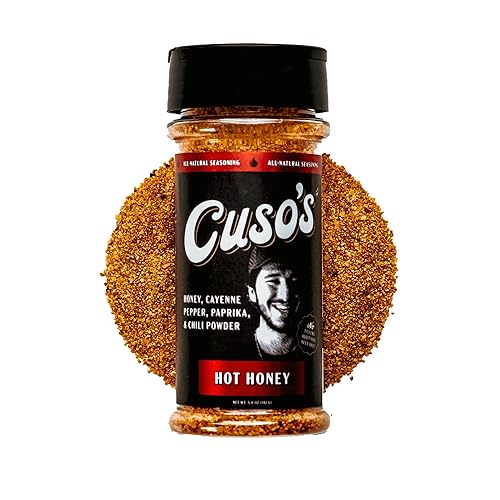
Cuso's Hot Honey BBQ Seasoning Rub – All-Purpose Spice Blend for Meat, Chicken, Pork – Hot Rub for Grilling, Smoking & Cooking – 5 oz Bottle, 1 Count BBQ Spice
The Adkins Hot Honey BBQ RUB, a 13 oz bottle, is another direct option for cooks who want the sweet-heat flavor in a single container and plan to use it across ribs, chicken and vegetables:

Adkins Hot Honey BBQ RUB 13 Oz.
If you are still comparing sweet rubs more broadly, our guide to 5 Best Honey Hog BBQ Rubs for Ribs, Pork and Chicken (2026) covers related options, and Honey Hog Hot BBQ Rub Review: Is It Worth It? looks at the hot version on its own. For flavor ideas, Spicewalla Hot Honey BBQ Rub: How to Use It on Ribs, Pork and Chicken shows practical application methods, and Meat Church Honey Hog Hot BBQ Rub: How to Use It Right (2026) walks through timing and temperature.
FAQ
Is the Meat Church Honey Hog Hot BBQ Rub gluten free?
The listing describes the rubs as gluten free. Anyone with celiac disease or a serious gluten sensitivity should still read the current label on the bottle they receive, since formulations can change.
Can I use this rub on vegetables?
Yes. The listing states it is intended for meat and vegetables. Corn, sweet potatoes, carrots and bell peppers take sweet rubs well, and a light coat of oil helps the seasoning stick.
Will the sugar burn on my grill?
It can, particularly over high direct heat. Cooking at lower temperatures, using indirect heat, or adding sugary glazes only in the final minutes helps prevent scorching.
Should I apply the rub before or after cooking?
Both approaches are common. Applying it before cooking builds bark on smoked and grilled meat. Shaking it on after cooking adds a bright, fresh layer of flavor, especially with the hot version.
How hot is the Honey Hog Hot version?
The listing identifies it as the hot blend, but it does not publish a Scoville rating. Start with a light application if you are unsure of your tolerance and add more to taste.
How should I store the rub?
Keep it sealed in a cool, dry place away from heat and sunlight. Moisture is the main enemy of dry rubs and can cause clumping.
Is this combo better than buying one bottle?
It depends on your cooking habits. The combo is useful if you want both mild and hot options. If you only plan to use one flavor, a single bottle is likely the better value.
Final Verdict
Recommended for sweet-heat BBQ fans
The Meat Church Honey Hog combo is a solid choice for cooks who want a ready-made sweet and spicy rub for ribs, pork, chicken and vegetables, and who like the option to switch between mild and hot. It delivers the bark-building sweetness that honey-based rubs are known for, and the two-bottle format gives you room to experiment. Watch the sugar on high heat, and consider whether you need both bottles before you buy. If you already know you love the hot profile, a single-bottle alternative may suit you better. For cooks who want a savory, pepper-forward rub instead, this is probably not the right pick. Consult a healthcare professional about sodium and sugar intake if you have dietary restrictions.
Related reading
- Meat Church Honey Hog BBQ Rub Review: Features and Performance
- Kosmos Q Honey Killer Bee BBQ Rub Review: Is It Worth It?
- Killer Hogs Hot BBQ Rub: How to Use It on Ribs, Pork and Brisket
About Claire Whitaker
Claire Whitaker is part of our editorial team and reviews and edits our BBQ & grilling guides, checking product details against manufacturer specifications and owner feedback.