By Claire Whitaker
Updated November 2026
The myron mixon bbq rub is a 12 oz hickory-flavored seasoning from a pitmaster with a long competition record, aimed at backyard cooks who want a dependable all-purpose rub for ribs, pork shoulder, chicken and brisket without mixing their own blend. It suits people who like a sweet-smoky profile, want a gluten-free and MSG-free option, and prefer a ready-made product over a custom recipe. It is a weaker fit for cooks who want a heavy, mouth-searing heat, anyone who wants to control sugar and salt separately, or buyers looking for a fully unsalted seasoning. Read on for the specs, the trade-offs and how it compares to other competition-style rubs.

Myron Mixon BBQ Rub | Hickory Meat | Champion Pitmaster Recipe | Gluten-Free BBQ Seasoning, MSG-Free, USA Made | 12 oz
Product Overview
The Myron Mixon BBQ Rub is sold under the Hickory Meat label and is marketed as a champion pitmaster recipe. Mixon is best known for his competition barbecue career, and his name on a rub signals a sweet, savory profile built for smoking and grilling rather than for a light table seasoning. The listing describes it as gluten-free, MSG-free and made in the USA, and it is packaged in a 12 oz container.
Competition rubs tend to share a common approach: a sugar base for bark formation and caramelization, salt for moisture retention and seasoning penetration, and a layer of paprika and other spices for color and aroma. The myron mixon bbq rub follows this general pattern. Its intended use is across the protein range, which makes it a reasonable pantry staple if you cook a variety of meats on a pellet grill, offset smoker or charcoal kettle.
It is worth setting expectations early. This is a finished blend, so you cannot adjust its sweetness or salt level beyond what you choose to add or hold back in other ingredients. For cooks who enjoy building their own rubs from individual spices, that can feel limiting. For cooks who want consistent results without measuring six ingredients every time, it is the main appeal.
Key Features & Specifications
The following details come from the product name and widely reported information about this line. Check the packaging on your own unit for the full ingredient panel and allergen statement.
| Feature | Details |
|---|---|
| Brand / Line | Myron Mixon, Hickory Meat |
| Product type | Dry rub / BBQ seasoning |
| Net weight | 12 oz |
| Flavor style | Sweet and smoky, hickory-forward |
| Dietary claims | Gluten-free, MSG-free |
| Origin | Made in USA |
| Recipe basis | Champion pitmaster recipe |
| Suggested proteins | Ribs, pork, chicken, brisket |
Manufacturers of dry rubs generally recommend applying a light, even coat to the surface of the meat, then letting it rest before cooking. Many brands suggest a bit of binder such as yellow mustard or oil, though some competition cooks skip the binder entirely. Confirm the recommended usage on the label of your package.
Pros & Cons
Pros
- Sweet-smoky profile that works across ribs, pork shoulder, chicken and brisket.
- Gluten-free and MSG-free labeling, which many home cooks look for.
- Competition-style recipe that produces a visible bark when used on low, slow cooks.
- Single-jar convenience with no need to source and measure individual spices.
- Made in the USA, according to the listing.
- Works well as a finishing or sauce-free seasoning for pulled pork and burnt ends-style cuts.
Cons
- Sugar content means it can burn on high-heat grilling if you do not manage temperature.
- Salt level is fixed, which can be too much for cooks following a low-sodium diet.
- Not a spicy rub; cooks who want heat will need to add cayenne or a hot sauce.
- Flavor leans toward the sweet side, which may not suit people who prefer savory or Texas-style salt-and-pepper profiles.
- Limited to one size in the listing, so heavy users may go through a jar quickly.
Performance Analysis
Performance for a dry rub depends on three things: how it adheres to the meat, how it develops bark or crust, and how well the flavor carries through a long cook. Owners of competition-style rubs commonly report that sweet blends build a dark, glossy bark on ribs and pork butt when cooked between roughly 225°F and 275°F, while the same rub can scorch if the grill runs much hotter. That pattern is typical of sugar-forward seasonings in general, and it applies here.
On ribs, the sweetness tends to pair well with a hickory or fruitwood smoke. Cooks often apply the rub generously, sometimes overnight, and wrap or spritz during the stall if they want a softer bark. On pork shoulder, the rub’s salt and sugar content help form a crust that pulls apart cleanly. Chicken thighs and wings take on the flavor quickly, though they can darken fast, so lower heat and a shorter exposure window are advisable.
Brisket is more of a mixed case. Many traditional Texas-style cooks prefer a coarser, more savory rub, and a sweet competition blend can produce a darker, sweeter bark that some diners love and others find heavy. If you cook brisket for a crowd that expects classic salt-and-pepper flavor, a test piece is a sensible idea.
Feedback patterns suggest that flavor consistency is a strength. Because it is a pre-blended product, results are repeatable from cook to cook, which matters when you are trying to dial in a method. Some owners note that the sweetness intensifies over a long cook, so a lighter hand on application may be wise for thin cuts. None of this is a lab result; it reflects common themes in how buyers describe sweet competition rubs.
Anyone managing sodium intake should read the nutrition panel closely. Rubs are often high in salt, and a heavy application on a large cut can add up quickly. Consult a healthcare professional if you are on a restricted diet.
Who Should Buy This Product?
This rub makes the most sense for backyard pitmasters who cook ribs, pork and chicken regularly and want a sweet, smoky finish without building a rub from scratch. It also suits gift buyers who know someone who likes competition barbecue, since the Mixon name carries recognition among barbecue fans.
You should probably skip it if you need a salt-free or very low-sodium seasoning, if you want a spicy rub, or if you prefer a traditional Texas-style brisket seasoning with only salt and coarse pepper. Cooks who enjoy adjusting every variable will also find a fixed blend restrictive. For those cooks, a plain rub base or a set of individual spices will serve better. If you are cooking for a family member with a medical condition affecting salt or sugar intake, check with a doctor or dietitian first.
Buying Guide
When you shop for any dry rub, compare the sugar and salt order on the ingredient list, check the allergen and dietary statements, and confirm the net weight against how much you actually cook. Sweet rubs burn faster, so if your cooking style runs hot, look for a blend designed for low-and-slow use. If you cook mostly brisket, a coarser savory rub may serve you better than a sugar-heavy one.
The myron mixon bbq rub is a sweet competition-style option. Two other well-known rubs are worth considering depending on your needs. The first is a multi-purpose blend that suits a wide range of meats:

Bad Byron's Barbecue Rub, 26 Ounce | All-Purpose Dry Rub for Pork, Chicken, Beef & More
The second is a championship-recipe rub with a long competition reputation, which may appeal if you want something similar in spirit but with a different flavor balance:
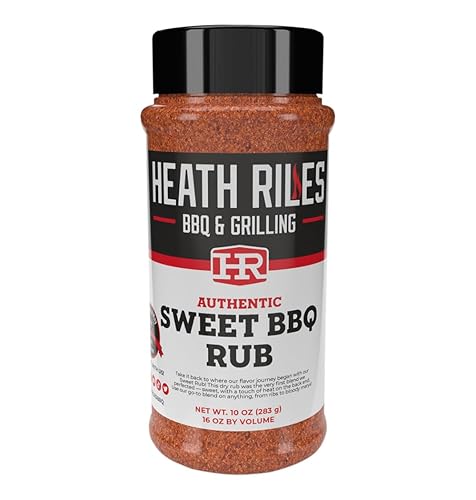
Heath Riles BBQBBQ Rub Seasoning for Smoking & Grilling – Dry Rub for Ribs, Pork, Brisket & Chicken, 80+ BBQ Championships, 16 oz Rub – Sweet BBQ BBQ Seasoning – Championship Recipe
For more background on how sweet rubs behave on the grill, see Heath Riles Competition BBQ Rubs Compared for Ribs and Brisket and Meat Church BBQ Rub Review: Features and Performance. If you want to make your own version for comparison, Rib Rub Recipe for BBQ: A Step-by-Step Guide to Sweet, Smoky Ribs walks through the basics. Cooks who want a lower-sodium route may find Low Salt BBQ Rub: 7 Best Picks for Flavor Without the Sodium (2026) useful.
FAQ
Is the myron mixon bbq rub gluten-free?
The product listing describes it as gluten-free. Check the packaging on your specific jar and contact the manufacturer if you have celiac disease or a severe sensitivity.
Is it spicy?
It is not marketed as a hot rub. Its flavor is sweet and smoky. If you want heat, add cayenne or a finishing hot sauce.
Can I use it on chicken?
Yes, the listing lists chicken among suggested proteins. Because sugar darkens quickly, cook chicken at a moderate temperature and watch for early browning.
Does it work on brisket?
It can, though the sweet profile differs from classic Texas-style seasoning. Test on a small piece first if you are cooking for people who expect traditional flavor.
How much should I apply?
Most manufacturers recommend an even, moderate coat. Start light, especially with sweet rubs, and build up if you want a heavier crust. Follow the directions on your package.
Does it contain MSG?
The listing says it is MSG-free. Review the full ingredient list on your bottle to confirm.
Can I use it for a low-sodium diet?
Rubs are typically salted, so this one is unlikely to suit a strict low-sodium plan. Consult a healthcare professional before adding it to a restricted diet.
Final Verdict
The myron mixon bbq rub is a solid, repeatable sweet-smoky competition-style seasoning for ribs, pork, chicken and, with some care, brisket. Its gluten-free and MSG-free labeling, single-jar convenience and recognizable recipe background make it a practical choice for backyard cooks who want consistent results. Its sugar content calls for disciplined heat control, its salt level may not suit everyone, and its sweetness will not satisfy people who want a traditional or spicy profile. If that matches your cooking style, it is worth a place in your pantry.
Related reading
- What Is a Hail Mary BBQ Rub and Is It Worth Trying?
- What Is Dirty South BBQ Rub and How Do You Use It?
About Claire Whitaker
Claire Whitaker is part of our editorial team and reviews and edits our BBQ & grilling guides, checking product details against manufacturer specifications and owner feedback.