By Miles Sinclair
Updated November 2026
Smoked bacon on pellet grill cooking gives you slab bacon with deep wood flavor, a smoky aroma and a texture that is far more even than pan-fried strips. In this guide you will learn how to pick the right cut, set your grill for low-and-slow smoke, judge doneness by internal temperature and finish the bacon so it slices cleanly and crisps well. The process takes a few days if you cure your own, or a few hours if you start with store-bought slab bacon.
What You Need Before You Start
Bacon is simple, but a few choices at the start make a real difference. The cut, the cure and your pellet choice all shape the final result, so it helps to gather everything before you fire up the grill.
Shopping for one? See our guide: 6 Best Smoked Turkey Pellet Grill Options for Thanksgiving (2026).
- A pork belly slab, either uncured raw belly or store-bought uncured bacon slab. Look for even thickness.
- Pink curing salt (Prague Powder #1) if you are curing your own belly. Measure it by weight and follow the package rate exactly.
- Kosher salt, brown sugar or maple sugar, and black pepper for the cure and surface rub.
- Mild to medium smoking pellets. Apple, cherry and hickory are common choices for bacon. Avoid heavy mesquite, which can turn bitter over long smokes.
- A digital probe thermometer, ideally one with a remote readout.
- A sheet pan with a rack, butcher paper or foil, and a sharp slicing knife.
Choosing and Preparing Your Pork Belly
The belly is the fatty, layered cut from the underside of the hog. For bacon, aim for a slab about 1.5 to 2 inches thick, with a fairly even shape and a good ratio of meat to fat. Most home cooks buy belly with the skin removed, since skin makes slicing harder.
If you are starting from raw belly, trim the rind and any loose or bloody bits. Pat the slab dry before applying the cure. If you buy pre-cured or uncured slab bacon from a butcher or grocery counter, check the label for whether it is cured and whether it needs cooking before eating. Packaged bacon labeled as ready to eat has already been cooked and only needs reheating.
Step 1: Cure the Belly (Optional but Recommended)
Curing gives bacon its characteristic color, flavor and food-safety protection. Use a cure that contains sodium nitrite, and measure it precisely. Follow the rate printed on your curing salt package, which is usually expressed as a specific amount per pound of meat. Never guess at curing salt quantities.
- Weigh the belly. Mix the cure ingredients: kosher salt, sugar and pink curing salt at the package rate, plus pepper if you like.
- Rub the mixture evenly over all sides of the belly.
- Place the belly in a zip-top bag or a non-reactive container and refrigerate.
- Cure for about 7 days, flipping the belly once a day. Thicker slabs may need a little longer. Check your curing salt label for guidance.
- Rinse the slab briefly, pat it dry, and let it rest uncovered in the refrigerator for 12 to 24 hours to form a tacky pellicle. This helps smoke adhere.
If you are using store-bought uncured bacon slab, many cooks skip the cure and season the surface only. Be aware that uncured meat must be cooked to a safe internal temperature, and the color and shelf life will differ from cured bacon.
Step 2: Set Up the Pellet Grill
Preheat your pellet grill to a low smoking temperature. Most cooks land between 180 and 225 degrees Fahrenheit for bacon. Lower temperatures take longer but give a more tender result, while higher temperatures speed things up and can render fat faster.
- Load the hopper with a mild to medium wood pellet.
- Let the grill run at the target temperature for 10 to 15 minutes before adding meat.
- Use a grate or rack that lets smoke circulate evenly around the slab.
Many pellet grill owners find that adding a small amount of smoke at the start, then letting the grill settle into its normal cycle, produces the cleanest flavor. Check your grill manual for smoke-setting features, since they vary by model.
Step 3: Smoke the Bacon
Place the slab fat side up on the grate. Insert your probe into the thickest part of the meat, away from the bone if any, and avoid touching the grate. Close the lid and monitor the cook.
Smoking typically takes 2 to 4 hours, depending on slab thickness and grill temperature. Bacon does not need to reach a high internal temperature to be smoky, but it does need to be cooked through if it is uncured or if you plan to eat it straight from the smoker.
| Stage | Target Internal Temperature | What to Look For |
|---|---|---|
| Early smoke | 100 to 130 degrees F | Pale, glossy surface, light smoke color forming |
| Mid smoke | 130 to 150 degrees F | Golden to light amber color, fat beginning to render |
| Finish | 150 to 155 degrees F for cured bacon | Deep amber surface, firm slab, even color |
| Uncured, cooked through | 165 degrees F minimum | Fully cooked, safe to eat without further heating |
Always confirm your target temperature against the guidance on your curing salt label and food-safety resources. If you are unsure whether your slab is safe to eat without further cooking, cook it to 165 degrees F and consider consulting a food-safety professional or your local extension service.
Step 4: Rest, Chill and Slice
Once the slab reaches your target temperature, pull it from the grill and let it rest for 20 to 30 minutes. Then wrap it tightly in plastic and refrigerate for at least 4 hours, or overnight. Chilling firms the fat so the slab slices cleanly. Cutting warm bacon usually results in ragged slices that tear.
Slice with a sharp knife or a meat slicer. For classic strips, aim for about 1/8 to 1/4 inch thick. Thicker slices make a chewier, meatier bacon that works well in a sandwich or a burger.
Step 5: Crisp and Serve
Smoked bacon from the grill is already flavorful, but many people like it crisp. You can finish it in a skillet over medium heat, in the oven at about 400 degrees F on a rack set over a sheet pan, or briefly on a hot grill grate. Cook until the edges are crisp and the fat has rendered, watching closely since sugar in the cure can scorch.
Tips for Better Smoked Bacon
- Use a consistent slab thickness. Uneven pieces cook unevenly and can leave thin edges overcooked.
- Keep the lid closed as much as possible. Every peek drops temperature and extends the cook.
- Pick a pellet wood that complements pork. Apple and cherry are gentle, while hickory adds a stronger, classic bacon character.
- Check your probe placement. Readings from the surface or near a fat seam can be misleading.
- Store finished bacon in the refrigerator for up to about one week, or freeze it for longer storage.
Common Mistakes
- Skipping the chill step. Slicing warm slab bacon tears the meat and smears the fat. Chill it fully first.
- Smoking too hot. Temperatures above about 250 degrees F render fat quickly and can leave the meat dry and tough.
- Guessing at cure amounts. Too much curing salt is a safety concern. Always weigh and follow the label rate.
- Using heavy wood. Mesquite and strong hickory blends can overpower the pork over a long cook.
- Serving uncured bacon raw. Uncured or fresh belly must be cooked to a safe temperature before eating.
- Cutting too thick too soon. Thick slices need more time to crisp. Start with thinner cuts if you prefer classic texture.
Recommended gear
A reliable remote probe thermometer makes it easy to track belly temperature without opening the lid. Look for a model with a clear display and a long-range wireless connection so you can monitor the cook from indoors.
A sturdy wire rack that fits your grill grate lets smoke circulate around the slab for even color on all sides. Choose one that is stainless steel and sized to your cooking area.
A sharp slicing knife with a long, thin blade makes clean, even bacon slices. A flexible or granton-edge model is useful for slicing chilled slab bacon.
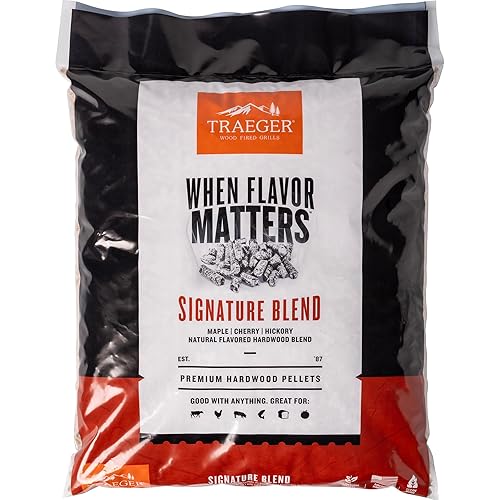
A quality blend of mild hardwood pellets suits bacon well. Apple, cherry and hickory pellets are widely available and pair naturally with pork.
Related Guides
If you enjoy smoked pork, you may also want to read Smoked Pork Tenderloin on Pellet Grill: A Step-by-Step Guide to Juicy Results for another lean pork cut that rewards careful temperature control. For a broader look at what to smoke next, Smoked Ham Pellet Grill Options for Easter and Holiday Dinners covers a different pork centerpiece. Fans of rich, smoky meats might also like Smoked Beef Brisket on Pellet Grill: 7 Steps to Juicy Results for low-and-slow technique on a larger cut. Cooks interested in smoked sausage can check 5 Best Smoked Sausage Pellet Grill Options for Backyard Cooks (2026) for ideas on link-style pork. If you want to compare grill types before buying, Pellet Smoker vs Pellet Grill: Is There a Real Difference? explains how the two categories differ in practice.
FAQ
Can I smoke bacon without curing it?
Yes. You can smoke uncured pork belly, but it must be cooked to a safe internal temperature, generally 165 degrees F, before eating. Uncured bacon will have a different color and a shorter shelf life than cured bacon.
What is the best temperature for smoking bacon on a pellet grill?
Most cooks use 180 to 225 degrees F. Lower temperatures give a more tender result, while slightly higher temperatures shorten the cook without drying the meat much.
How long does smoked bacon take?
Smoking usually takes 2 to 4 hours depending on slab thickness and temperature. Thicker slabs take longer, so rely on your probe rather than the clock.
Why does my smoked bacon taste too salty?
Cure salt concentration varies by slab size and cure time. Reduce the salt in your rub, soak the slab briefly in cold water before smoking, or pick a longer cure with less added salt next time.
Do I need to chill the bacon before slicing?
Chilling is strongly recommended. Chilled slab bacon firms up and slices cleanly. Slicing warm bacon usually results in torn, uneven pieces.
What wood pellets work best for bacon?
Apple and cherry are mild and sweet. Hickory is stronger and more traditional for bacon. Avoid very strong woods like mesquite for long smokes.
How should I store smoked bacon?
Refrigerate sliced bacon in an airtight container for up to about a week, or freeze it for longer storage. Thaw in the refrigerator before cooking.
Is homemade smoked bacon safe to eat?
It is safe when you use the correct cure rate for curing salt, cook uncured meat to 165 degrees F, and handle the meat properly throughout. If you have questions about curing or food safety, consult a food-safety professional or your local extension service.
Conclusion
Smoked bacon on a pellet grill rewards patience and precision. Start with a good slab, cure it correctly if you are making your own, and keep the grill steady at a low temperature. Chill the finished slab fully before slicing, then crisp it to your liking, and you will have bacon with deep smoke and clean flavor.
Related reading
- Smoked Whole Chicken on Pellet Grill: A Step-by-Step Guide for Juicy Results
- Smoked Steak on Pellet Grill: A Step-by-Step Guide for Juicy Results
- Smoked Salmon Pellet Grill: A Step-by-Step Guide for Moist, Flaky Results
Ready to choose one?
About Miles Sinclair
Miles Sinclair is part of our editorial team and reviews and edits our BBQ & grilling guides, checking product details against manufacturer specifications and owner feedback.