
 By Miles Sinclair
Updated November 2026
Choosing charcoal pellets for pellet grill cooking comes down to fuel quality, flavor profile and how well the blend suits your meats. This list compares six popular options on those criteria, with a short buying guide and a few notes on how pellet grills and charcoal differ in practice. Each pick was selected from product listings, brand reputation and common owner feedback, not from hands-on testing.
Our top picks at a glance
- 1
 TOP CHOICEBest overallRoyal Oak 100% Charcoal & Competition Blended PelletsView on Amazon
- 2
 TOP CHOICEBest for poultry and porkCharcoal & Apple BBQ Pellets, 20 lbView on Amazon
- 3
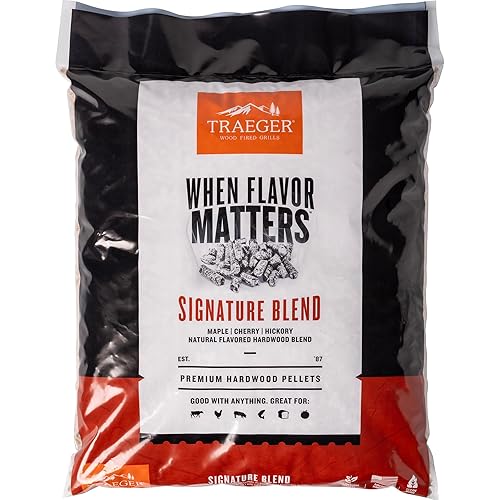 TOP CHOICEBest for all-purpose smokingTraeger Signature Blend Wood Pellets, 18 lbView on Amazon
- 4
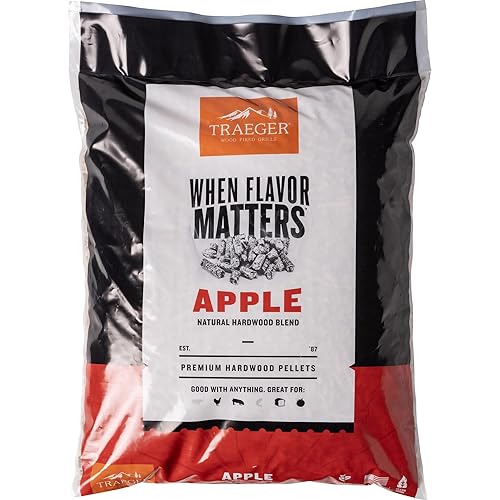 Best for mild, fruity smokeTraeger Apple 100% All-Natural Wood Pellets, 18 lbView on Amazon
- 5
 Best for high-heat charcoal grillingKingsford Easy Light Bag Charcoal BriquettesView on Amazon
- 6
 Best for bold, beef-friendly smokeLumber Jack Char Hickory BBQ Grilling PelletsView on Amazon
Our Top Picks
| Product | Best for | Key feature |
|---|---|---|
| Royal Oak 100% Charcoal & Competition Blended Pellets | Overall use | Charcoal-forward blend |
| Charcoal & Apple BBQ Pellets, 20 lb | Poultry and pork | Real applewood, no additives |
| Traeger Signature Blend Wood Pellets, 18 lb | All-purpose smoking | Hickory, maple, cherry blend |
| Traeger Apple 100% All-Natural Wood Pellets, 18 lb | Mild, fruity smoke | Single-species apple |
| Kingsford Easy Light Bag Charcoal Briquettes | High-heat grilling | Fast, even lighting |
| Lumber Jack Char Hickory BBQ Grilling Pellets, 20 lb | Beef and bold smoke | Strong hickory character |
Royal Oak 100% Charcoal & Competition Blended Pellets
Royal Oak® 100% Charcoal & Competition Blended Pellets
Best for: Overall use across most pellet grill cooks.
This suits cooks who want a balanced, charcoal-leaning flavor on everything from brisket to vegetables without switching blends.
Pros
- Balanced smoke that works across many meats
- Consistent burn for long cooks
Cons
- Flavor may be stronger than some prefer on delicate fish
Charcoal & Apple BBQ Pellets, 20 lb
Charcoal & Apple BBQ Pellets, 20 lb – Real Applewood & Natural Hardwood Charcoal Pellets, No Additives, Made in USA, for Pellet Grills, Pork, Chicken, Turkey & Seafood
Best for: Poultry and pork.
Owners cooking chicken, turkey and pork shoulder often look for a sweet, fruit-forward smoke, and this blend is built around that profile.
Pros
- Mild, sweet smoke that suits lighter meats
- Large 20 lb bag for frequent cooks
Cons
- Light flavor can get lost on heavily seasoned beef
Traeger Signature Blend Wood Pellets, 18 lb
Smoke, BBQ, bake, roast & braise; hickory, maple & cherry hardwood blend Traeger Signature Blend Wood Pellets for Pellet Grills & Smokers, 18 lb Bag
Best for: All-purpose smoking.
A good fit for cooks who want one reliable bag for ribs, brisket and burgers without choosing between single-wood flavors.
Pros
- Versatile hickory, maple and cherry blend
- Widely available from a major pellet grill brand
Cons
- Less distinctive than a single-species pellet
Traeger Apple 100% All-Natural Wood Pellets, 18 lb
Traeger Grills Apple 100% All-Natural Wood Pellets for Smokers and Pellet Grills, BBQ, Bake, Roast, 18 lb. Bag
Best for: Mild, fruity smoke.
Best for cooks who want a light, sweet smoke on fish, chicken or vegetables without heavy bitterness.
Pros
- Single-species apple gives a clean, mild profile
- All-natural pellets with no fillers listed
Cons
- Too subtle for long, heavy smokes on tough cuts
Kingsford Easy Light Bag Charcoal Briquettes
Kingsford Easy Light Bag Charcoal Briquettes, BBQ Charcoal for Grilling, 4 Pounds (Package May Vary)
Best for: High-heat charcoal grilling.
Useful for cooks who run a charcoal grill alongside a pellet grill, or who want a quick sear with a traditional briquette.
Pros
- Lights quickly and burns evenly for grilling
- Familiar, widely available briquette
Cons
- Briquettes are not designed as pellets and will not feed a pellet grill
Lumber Jack Char Hickory BBQ Grilling Pellets
Lumber Jack Char Hickory BBQ Grilling Pellets – 20 lbs.
Best for: Bold, beef-friendly smoke.
Suits cooks who want a strong hickory presence on brisket, ribs and pork butt.
Pros
- Assertive hickory flavor that stands up to beef
- Large 20 lb bag
Cons
- Can overpower poultry and seafood
Buying Guide
Fuel Type: Charcoal Blends vs. Pure Hardwood
Some products in this category are 100% charcoal, while others mix charcoal with real hardwood. Charcoal-heavy blends tend to produce more consistent heat and a cleaner, mellower smoke. Hardwood-forward blends add more wood flavor, which can suit longer smoking sessions, but may leave a stronger taste on lighter proteins.
Flavor Profile and Wood Types
Think about the foods you cook most often. Fruitwoods like apple and cherry are usually milder and work well with poultry, pork and seafood. Hickory and other stronger woods bring a bolder, more classic barbecue character that pairs well with beef, ribs and brisket.
Ingredients and Additives
Check the label for added fillers, binders or flavorings. Blends made from natural hardwood and charcoal without additives are generally the simplest choice for those who want a clean, predictable smoke. Read the packaging to confirm exactly what goes into the bag.
Bag Size and Storage
Larger bags, such as 18 or 20 pound options, can be more economical if you cook often. Smaller bags are easier to store and may suit occasional users. Keep pellets sealed in a dry place, since moisture can cause them to swell, crumble and burn unevenly in your grill.
Compatibility With Your Grill
Confirm that the product is labeled for pellet grills and smokers before buying. Some charcoal products are briquettes meant for standard grills, which won’t feed properly through a pellet hopper. Matching the pellet format to your grill’s auger system helps avoid jams and temperature problems.
FAQ
Can I use charcoal pellets in any pellet grill?
Most pellet grills are designed for standard-sized pellets, so you should check your grill manual first. Products labeled for pellet grills and smokers are the safest bet. Using the wrong format can cause feeding problems or poor performance.
Are charcoal pellets the same as charcoal briquettes?
No, they differ in shape, size and how they burn. Pellets are small cylinders meant to feed automatically through a grill’s auger, while briquettes are pillow-shaped pieces used in charcoal grills. Briquettes generally do not work in a pellet grill.
Which flavor is best for beginners?
A milder blend with fruitwood, such as apple, is often a good starting point. It adds a gentle smoke that is hard to overdo on common meats. You can experiment with stronger woods like hickory once you are comfortable with your grill.
How should I store leftover pellets?
Keep them in their original sealed bag or an airtight container in a cool, dry location. Moisture is the main enemy, because damp pellets can swell and burn poorly. Avoid leaving bags outdoors or in damp garages.
Do charcoal pellets produce more smoke than regular wood pellets?
Charcoal blends generally produce a cleaner, less intense smoke than pure hardwood pellets. The exact amount of smoke depends on your grill settings and the blend itself. If you want a stronger smoky taste, a hardwood-heavy option may suit you better.
Conclusion
If you want a consistent, clean-burning fuel for everyday cooking, a charcoal-forward blend is a practical choice. Those who cook a lot of poultry, pork or seafood may prefer a milder fruitwood option, while anyone chasing bold barbecue flavor on beef or ribs may lean toward hickory-heavy blends.
Match your pick to your cooking habits, your grill’s requirements and your flavor preferences. Buyers who cook frequently may benefit from larger bags, while occasional grillers may do better with smaller, easier-to-store packages.
Related reading
- Wood Pellet Grill vs Charcoal (2026): Which Is Better for Your Backyard?
- Types of BBQ Grills: Charcoal, Gas, Pellet and Electric Explained
- Pellet Grill vs Charcoal Smoker (2026): Which Is Better for Backyard Cooks?
- Pellet Grill vs Charcoal Grill (2026): Which Is Better for Your Backyard?
- How to Clean a Grill: Gas, Charcoal and Pellet Step by Step
About Miles Sinclair
Miles Sinclair is part of our editorial team and reviews and edits our BBQ & grilling guides, checking product details against manufacturer specifications and owner feedback.



