
 By Miles Sinclair
Updated November 2026
If you want the best way to make a beef brisket, you need more than a single recipe. Brisket rewards technique: low heat, patience, the right wrap timing, and a clear sense of when the meat is done. This list compares seven guides and cookbooks that teach brisket from different angles, from backyard smoking to competition-style Texas brisket and oven braising. We judged each pick on how thoroughly it explains the process, how well its methods match the way most home cooks actually cook, the depth of its troubleshooting, and the general reputation of its author and publisher among barbecue readers. None of these picks were cooked or tested by us. The notes below describe what each title covers and who it suits.
Our top picks at a glance
- 1
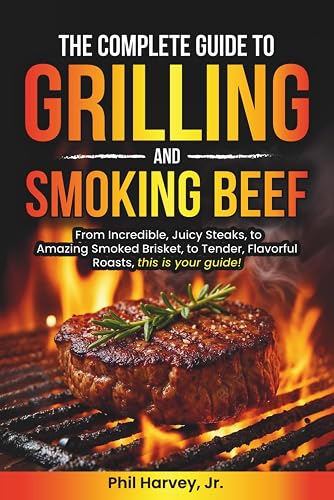 TOP CHOICEBest overallThe Complete Guide to Grilling and Smoking BeefView on Amazon
- 2
 TOP CHOICEBest for classic smoked flavorProject SmokeView on Amazon
- 3
 TOP CHOICEBest for first-time smokersLone Star BrisketView on Amazon
- 4
 Best for a deep-dive on techniqueThe Brisket ChroniclesView on Amazon
- 5
 Best for recipe varietyBeef Brisket RecipesView on Amazon
- 6
 Best for beginners who want clear structureBomb BrisketView on Amazon
- 7
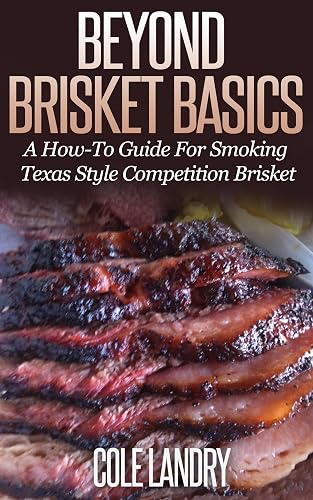 Best for competition-style resultsBeyond Brisket BasicsView on Amazon
Our Top Picks
Quick Comparison
| Product | Best for | Key feature |
|---|---|---|
| The Complete Guide to Grilling and Smoking Beef | Overall beef cooking, including brisket | Covers steaks, smoked brisket, and roasts |
| Project Smoke | Classic smoked flavor | Seven-step smoking method plus 100 recipes |
| Lone Star Brisket | First-time smokers | Step-by-step smoking walkthrough |
| The Brisket Chronicles | Technique-focused cooks | Smoking, braising, and curing methods |
| Beef Brisket Recipes | Recipe variety | Multiple brisket preparations in one volume |
| Bomb Brisket | Beginners wanting structure | Beginner-focused guide to BBQ’s signature cut |
| Beyond Brisket Basics | Competition-style results | Texas-style competition brisket method |
The Complete Guide to Grilling and Smoking Beef
The Complete Guide to Grilling and Smoking Beef: From incredible, juicy steaks, to amazing smoked Brisket, to tender, flavorful roasts, this is your guide!
Best for: Overall beef cooking, including brisket
This is a good fit for cooks who want one book that covers more than brisket. It is useful if you grill steaks, roast, and smoke, and want consistent principles across all of them.
Key specs
- Covers grilling and smoking of beef
- Includes smoked brisket alongside steaks and roasts
Pros
- Broad coverage of beef cuts and methods
- Useful for cooks building general beef skills
- Brisket is treated as one part of a wider technique set
Cons
- Brisket is not the sole focus, so the depth may be less than brisket-only books
- Less suited to someone who wants only competition-level detail
Bottom line: Pick this if you want a versatile beef reference and plan to cook more than brisket.
Project Smoke
Project Smoke: Seven Steps to Smoked Food Nirvana, Plus 100 Irresistible Recipes from Classic (Slam-Dunk Brisket) to Adventurous (Smoked Bacon-Bourbon … (Steven Raichlen Barbecue Bible Cookbooks)
Best for: Classic smoked flavor
Suited to backyard cooks who want a structured smoking method and a wide recipe range, including brisket as a headline example.
Key specs
- Seven-step smoking method
- Around 100 recipes, including brisket
Pros
- Clear step-by-step smoking framework
- Wide range from classic to adventurous recipes
- Part of a well-regarded barbecue series
Cons
- Recipe breadth means brisket gets less space than in a dedicated title
- Some readers want more troubleshooting detail
Bottom line: A strong pick for smokers who want brisket within a larger smoking education.
Lone Star Brisket
Lone Star Brisket: A Step by Step Guide on How to Smoke Brisket
Best for: First-time smokers
Aimed at beginners who want a focused, sequential guide to smoking brisket without wading through unrelated cuts.
Key specs
- Brisket-only, step-by-step smoking guide
Pros
- Narrow focus makes the process easy to follow
- Good starting point for a first packer brisket
- Short and direct
Cons
- Less depth on advanced variations
- Limited coverage of oven or braising methods
Bottom line: Choose this if you are new to smoking brisket and want one clear path.
The Brisket Chronicles
The Brisket Chronicles: How to Barbecue, Braise, Smoke, and Cure the World's Most Epic Cut of Meat (Steven Raichlen Barbecue Bible Cookbooks)
Best for: Technique-focused cooks
Best for cooks who want to understand why each step matters, covering several cooking methods rather than one.
Key specs
- Covers barbecuing, braising, smoking, and curing brisket
- Part of a well-known barbecue series
Pros
- Explains methods across several cooking styles
- Strong technical grounding for experienced readers
- Useful for comparing approaches
Cons
- Can be more detailed than casual cooks need
- Beginners may want a simpler starting point
Bottom line: A good investment for cooks who want to master brisket from several angles.
Beef Brisket Recipes
Beef Brisket Recipes
Best for: Recipe variety
Suits cooks who want multiple ways to prepare brisket in one volume, including meals beyond smoked barbecue.
Key specs
- Collection of brisket recipes
Pros
- Several preparations in one book
- Useful for weeknight and oven cooking
- Good for variety when you want something new
Cons
- Less technical explanation of smoking science
- Specific publisher and edition details are worth checking on the listing
Bottom line: Pick this for recipe ideas across oven and stovetop brisket.
Bomb Brisket
Bomb Brisket: A Beginner’s Guide to BBQ’s Most Legendary Cut
Best for: Beginners wanting structure
Written for newer barbecue cooks who want a legendary cut explained from the basics up.
Key specs
- Beginner’s guide to brisket
Pros
- Beginner-friendly framing
- Covers the cut’s background and fundamentals
- Easy entry point for barbecue newcomers
Cons
- Less advanced detail for experienced pitmasters
- As a newer title, long-term reader feedback is still limited
Bottom line: A sensible choice for beginners who want the basics explained clearly.
Beyond Brisket Basics
Beyond Brisket Basics: A How-To Guide On Smoking Texas Style Competition Brisket
Best for: Competition-style results
Targeted at cooks aiming for Texas-style competition brisket, with a focus on the details that separate good from great.
Key specs
- How-to guide to Texas-style competition brisket
Pros
- Focused on competition-level technique
- Useful for trimming, seasoning, and smoke management details
- Clear focus on one style
Cons
- Narrow scope for cooks who want other styles
- May be more than a casual backyard cook needs
Bottom line: Choose this if your goal is Texas-style brisket that stands up to judges.
Buying Guide
Cooking method (smoker, oven, or braise)
The best way to make a beef brisket depends on your equipment. Smoking gives the classic bark and smoke ring, while oven and braising methods suit cooks without a smoker. Look for a guide whose main method matches your setup.
Good picks for this: Lone Star Brisket, Beef Brisket Recipes
Depth of technique
Check whether the book explains the why behind steps like trimming, fat rendering, and wrapping. Guides that cover temperature targets and doneness signs help you adjust when your meat behaves differently from the recipe.
Good picks for this: The Brisket Chronicles, Beyond Brisket Basics
Experience level
Beginners benefit from a narrow, step-by-step structure. Experienced cooks may want variations, competition details, and troubleshooting for stalls and tough texture.
Good picks for this: Bomb Brisket, Project Smoke
Scope of coverage
Brisket-only titles go deep. Broader beef or smoking books give context for other cuts and techniques. Decide whether you want one cut mastered or a wider barbecue toolkit.
Good picks for this: The Complete Guide to Grilling and Smoking Beef, Project Smoke
Recipe variety
If you cook brisket often, variety keeps things interesting. Look for multiple seasonings, sauces, and serving ideas so you are not repeating the same plate every week.
Good picks for this: Beef Brisket Recipes, Project Smoke
Author and publisher reputation
Books from established barbecue writers and well-known series tend to be more consistent in method and safety guidance. Check the author’s background and whether the book has an active reader community.
Good picks for this: The Brisket Chronicles, The Complete Guide to Grilling and Smoking Beef
Competition versus backyard goals
Competition brisket focuses on consistency, appearance, and flavor under judging conditions. Backyard cooks usually want reliable tenderness and good flavor with less strict standards.
Good picks for this: Beyond Brisket Basics, Bomb Brisket
FAQ
What is the best way to make a beef brisket for beginners?
Most beginners do well with a low-and-slow smoke or a low oven roast, around 225 to 250°F, wrapped once the bark forms. Pull the brisket when the thickest part probes tender, often between about 195 and 205°F, though feel matters more than a single number.
Should I trim the fat cap before cooking?
Most guides suggest trimming the fat cap to about a quarter inch. This helps seasoning penetrate and keeps some fat for moisture during cooking.
Is wrapping brisket necessary?
Wrapping, often called the Texas crutch, can speed up cooking and help push through the stall. Butcher paper preserves more bark than foil. Many recipes treat wrapping as optional, so follow your chosen guide.
How long should brisket rest?
Resting for at least an hour, wrapped and held in a cooler or warm oven, lets juices redistribute. Some pitmasters rest longer for better texture. Follow your guide’s timing.
Can I make brisket in the oven instead of a smoker?
Yes. Oven methods use lower temperatures and often a covered pan with liquid. You will get tender meat, though without the same smoke flavor.
Why is my brisket tough even after hours of cooking?
Tough brisket is usually undercooked connective tissue, often pulled too early, or cooked too hot. Check doneness by probe feel rather than time alone.
Conclusion
For the best way to make a beef brisket, start with the method you can repeat. If you are new, Lone Star Brisket or Bomb Brisket give clear structure. If you want broader smoking knowledge, Project Smoke or The Complete Guide to Grilling and Smoking Beef cover more ground. Technique-focused cooks will value The Brisket Chronicles, while competition goals point to Beyond Brisket Basics. Beef Brisket Recipes is the pick when variety matters most.
For more on brisket methods, see How to Make Beef Brisket in the Oven: A Step-by-Step Guide for Tender Results, Smoked Beef Brisket on Pellet Grill: 7 Steps to Juicy Results, Texas Style Smoked Beef Brisket: 7 Steps to Juicy, Bark-Heavy Results, Smoked Beef Brisket Temperature: A Step-by-Step Guide for Juicy Results, and Slow Cooking a Beef Brisket: A Step-by-Step Guide for Tender Results.
Sources
- Safe minimum internal temperatures and food safety guidance for cooking beef (fsis.usda.gov)
- University extension guidance on safe cooking and meat handling at home (extension.illinois.edu)
- Federal food safety information on cooking, storage, and handling (foodsafety.gov)
Before you buy: helpful guides
About Miles Sinclair
Miles Sinclair is part of our editorial team and reviews and edits our BBQ & grilling guides, checking product details against manufacturer specifications and owner feedback.





