By Claire Whitaker
Updated November 2026
Shopping for the best store bought BBQ rub for ribs means balancing flavor, convenience, and how the seasoning behaves on the grill or smoker. A good rib rub should build a bark without burning, season the meat evenly, and suit the cooking method you actually use. This list compares six widely available options by looking at sweetness level, the spice profile manufacturers describe, package size, and the patterns owners tend to mention in their feedback. No product here was tested in a personal kitchen; the picks reflect specifications and reputation.
Our top picks at a glance
- 1
 TOP CHOICEBest overallBBQ Rub Seasoning for Smoking & Grilling – Dry Rub for Ribs, Pork, BriView on Amazon
- 2
 TOP CHOICEBest for sweet ribsKent Rollins Rib Rub Seasoning – Sweet BBQ Dry Rub for Ribs & Pork – BView on Amazon
- 3
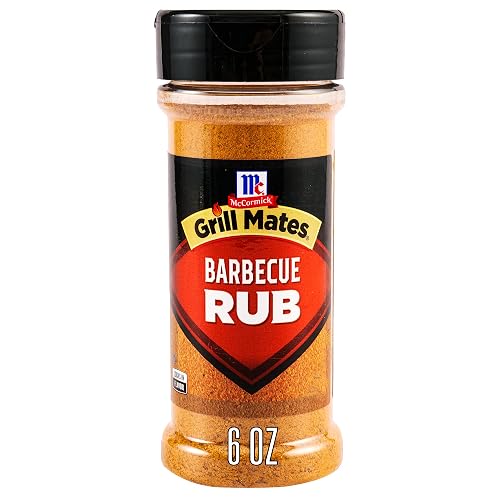 TOP CHOICEBest for a classic smoky crustMcCormick® Grill Mates® Barbecue Seasoning & Rub, Smoky & Savory, MoutView on Amazon
- 4
 Best for competition-style ribsBig Moe casonBig Moe Cason Competition rib rub flavor, BBQ seasoning fView on Amazon
- 5
 Best for a kettle or gas grillWeber KC BBQ Dry Rub, 14.5 ozView on Amazon
- 6
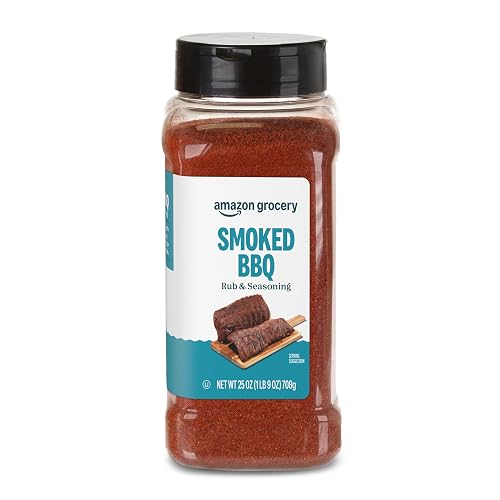 Best budget pickAmazon Grocery, Smoked BBQ Rub & Seasoning, 25 OzView on Amazon
Our Top Picks
Quick Comparison
| Product | Best for | Key feature |
|---|---|---|
| Heath Riles BBQ Rub | Balanced all-purpose ribs | Honey-sweet championship-style blend |
| Kent Rollins Rib Rub Seasoning | Sweet, caramelized ribs | Brown sugar-forward blend |
| McCormick Grill Mates Barbecue Seasoning & Rub | Smoky, savory crust | Mesquite smoke and chili pepper notes |
| Big Moe Cason Competition Rib Rub | Bold, competition-style flavor | Heavy-hitting savory profile |
| Weber KC BBQ Dry Rub | Kansas City-style ribs on a grill | Sweet-and-savory Kansas City profile |
| Amazon Grocery Smoked BBQ Rub & Seasoning | Everyday value and large batches | Large 25 oz container |
BBQ Rub Seasoning for Smoking & Grilling – Dry Rub for Ribs, Pork, Brisket & Chicken, 80+ BBQ Championships, 8 oz Heath Riles BBQ Rub – Honey BBQ Seasoning – Championship Recipe
BBQ Rub Seasoning for Smoking & Grilling – Dry Rub for Ribs, Pork, Brisket & Chicken, 80+ BBQ Championships, 8 oz Heath Riles BBQ Rub – Honey BBQ Seasoning – Championship Recipe
Best for: Balanced, all-purpose rib seasoning with a honey-forward sweetness
This is the most versatile pick on the list for cooks who want one rub that works across ribs, pork shoulder, brisket, and chicken. The honey notes make it a good fit for people who like a glossy, sticky finish.
Key specs
- Size: 8 oz
- Style: Honey BBQ dry rub
- Suited to smoking and grilling
Pros
- Works across several proteins
- Honey sweetness builds a sticky, lacquered bark
- Recognizable competition pedigree in its marketing
Cons
- Sugar can scorch if the cook runs hot without a water pan
- Smaller container than some bulk options
Bottom line: A strong first purchase for someone who wants one reliable rub for ribs and other meats, especially if sweet bark is the goal.
Kent Rollins Rib Rub Seasoning – Sweet BBQ Dry Rub for Ribs & Pork – Brown Sugar Blend for Smoking & Grilling – Gluten Free – 14.5 oz
Kent Rollins Rib Rub Seasoning – Sweet BBQ Dry Rub for Ribs & Pork – Brown Sugar Blend for Smoking & Grilling – Gluten Free – 14.5 oz
Best for: Sweet, caramelized ribs with a brown sugar base
Cooks who prefer dessert-leaning ribs with a dark, sticky glaze will find this rub a direct match. It is labeled gluten free, which matters for some households.
Key specs
- Size: 14.5 oz
- Brown sugar blend
- Labeled gluten free
Pros
- Caramelizes quickly into a dark bark
- Generous container size
- Gluten free labeling
Cons
- Sugar-heavy blends can burn over direct high heat
- Less savory depth than smoky rubs
Bottom line: Ideal for sweet-rib fans who cook at moderate temperatures and want a rub that gives a glossy finish.
McCormick® Grill Mates® Barbecue Seasoning & Rub, Smoky & Savory, Mouthwatering Crust, Juicy Flavor, Chili Pepper, Garlic & Mesquite Smoke, For Pork, Chicken, Beef & Seafood, Kosher, 6 oz
McCormick® Grill Mates® Barbecue Seasoning & Rub, Smoky & Savory, Mouthwatering Crust, Juicy Flavor, Chili Pepper, Garlic & Mesquite Smoke, For Pork, Chicken, Beef & Seafood, Kosher, 6 oz,
Best for: A smoky, savory crust with a mild, widely familiar flavor
This is a grocery-aisle staple for a reason. It suits cooks who want a dependable savory rub without much sugar, and it works on a weeknight grill as well as a weekend smoker.
Key specs
- Size: 6 oz
- Chili pepper, garlic, and mesquite smoke flavor
- Kosher labeled
Pros
- Savory profile that does not burn easily from sugar
- Broadly available and familiar
- Works on many proteins
Cons
- Smaller package for frequent rib cooks
- Less sweetness for those who want a candied bark
Bottom line: A safe choice for savory-rib fans and anyone who wants a rub that tolerates higher grill temperatures.
Big Moe Cason Competition rib rub flavor, BBQ seasoning for ribs and grilling, BBQ rub blend, 11 oz Big Moe cason Competition Rib rub
Big Moe casonBig Moe Cason Competition rib rub flavor, BBQ seasoning for ribs and grilling, BBQ rub blend, 11 oz Competition Rib rub
Best for: Bold, competition-style rib flavor
This rub is aimed at cooks who want a pronounced, layered seasoning that stands up to long smoke sessions. It is a good match for those who already know their way around rib cooking and want a stronger profile.
Key specs
- Size: 11 oz
- Marketed as a competition rib rub
- Designed for ribs and grilling
Pros
- Bold, distinct flavor profile
- Marketed for long smoke sessions
- Good for experienced cooks who want a signature taste
Cons
- Can taste intense for beginners or mild palates
- Specific flavor notes are not always clearly described in listings
Bottom line: Best for experienced rib cooks who want a bolder, competition-minded seasoning.
Weber KC BBQ Dry Rub, 14.5 oz
Weber KC BBQ Dry Rub, 14.5 oz
Best for: Kansas City-style ribs on a kettle or gas grill
Owners who cook on everyday grills will find this rub approachable. The Kansas City-style profile leans sweet and savory, which suits the sauced-then-glazed rib style many backyard cooks enjoy.
Key specs
- Size: 14.5 oz
- Kansas City-style sweet and savory profile
- Brand: Weber
Pros
- Familiar brand for grill owners
- Balanced sweet-and-savory character
- Good size for regular use
Cons
- Sugar content can char over high direct heat
- Flavor is more regional than universal
Bottom line: A good pick for Kansas City fans and gas or kettle grill cooks who want a familiar, balanced rub.
Amazon Grocery, Smoked BBQ Rub & Seasoning, 25 Oz
Amazon Grocery, Smoked BBQ Rub & Seasoning, 25 Oz
Best for: Everyday value and large-batch cooking
For cooks who go through seasoning quickly, a 25 oz container offers the most volume of the group. It is a practical choice for feeding a crowd or cooking ribs regularly.
Key specs
- Size: 25 oz
- Smoked BBQ rub and seasoning
Pros
- Large container for frequent cooks
- Smoky profile suits ribs, pork, and chicken
- Practical for batch seasoning
Cons
- Less specific flavor description than championship brands
- Owners who want a distinctive signature may find it generic
Bottom line: A sensible choice for regular rib cooks who want volume and a straightforward smoky flavor.
Buying Guide
Sugar Content and Bark Formation
Sugar in a rub caramelizes and helps build a dark, sticky bark, but it also burns at high heat. If you cook over direct flame at 350°F or above, choose a savory rub or apply sugary rubs later in the cook. For low-and-slow smoking around 225°F to 250°F, sweeter rubs usually perform well.
Good picks for this: Kent Rollins Rib Rub Seasoning, Heath Riles BBQ Rub
Flavor Profile: Sweet, Savory, or Smoky
Think about the finished rib you want. Sweet rubs suit a candied, Kansas City-leaning style, savory rubs suit a dry, Memphis-leaning bark, and smoky rubs add a pit-cooked character even on a gas grill. Read the flavor description and match it to your preference.
Good picks for this: McCormick Grill Mates Barbecue Seasoning & Rub, Weber KC BBQ Dry Rub
Package Size and Usage Frequency
A 6 to 8 oz container is fine for occasional cooks. Frequent rib makers who season several racks a month will get better value from 14 oz or larger. Buy a size you can use before the spices lose potency, which typically takes several months after opening.
Good picks for this: Amazon Grocery Smoked BBQ Rub & Seasoning, Kent Rollins Rib Rub Seasoning
Competition Style vs. Everyday Style
Competition rubs are usually bolder and more layered, designed to stand out on judging boxes. Everyday rubs are often milder and more forgiving for family meals. Neither is better in general; choose based on whether you want a signature punch or a crowd-pleasing baseline.
Good picks for this: Big Moe Cason Competition Rib Rub, Heath Riles BBQ Rub
Cooking Method and Heat Level
Smokers, kettle grills, and gas grills behave differently. Smokers hold steady low temperatures that suit sugary rubs, while gas grills can run hot and uneven. Match your rub to your heat source, and consider applying a thin layer of mustard or oil as a binder so the seasoning sticks.
Good picks for this: Weber KC BBQ Dry Rub, McCormick Grill Mates Barbecue Seasoning & Rub
Ingredient Labels and Dietary Needs
Check labels for gluten, salt level, and added fillers if you have dietary restrictions or sodium limits. Some blends are labeled gluten free, while others may be processed alongside wheat. If you have a medical dietary requirement, confirm details with the manufacturer or a registered dietitian.
Good picks for this: Kent Rollins Rib Rub Seasoning, McCormick Grill Mates Barbecue Seasoning & Rub
Storage and Shelf Life
Dry rubs keep best in a sealed container away from heat, light, and moisture. Ground spices lose aroma over time, so a tightly sealed container stored in a cool pantry is the simplest approach. Discard any rub that clumps, smells stale, or shows moisture.
Good picks for this: Amazon Grocery Smoked BBQ Rub & Seasoning, Heath Riles BBQ Rub
FAQ
What is the best store bought BBQ rub for ribs overall?
For a balanced, versatile option, the Heath Riles BBQ Rub is a strong starting point. Its honey-forward profile works on ribs and other meats, making it a practical first purchase.
How much rub should I use on a rack of ribs?
A common approach is a thin, even coat that covers the surface without caking. Many cooks use roughly 1 to 2 tablespoons per rack, adjusting for rack size and personal taste. Applying a binder first helps the seasoning adhere.
Should I apply rub the night before cooking?
Applying rub 2 to 12 hours before cooking, refrigerated and covered, lets the salt penetrate and season the meat more deeply. Sugary rubs may darken during a long rest, so check the color before cooking.
Can I use a sweet rub on a gas grill?
Yes, but keep the heat moderate, roughly 275°F to 300°F, and watch for scorching. Indirect heat helps prevent sugar from burning while the ribs cook through.
Do store bought rubs have a shelf life?
Dry rubs keep their best flavor for several months after opening when stored sealed and away from heat and moisture. They do not usually spoil in a way that causes illness, but aroma and potency fade over time.
Is a store bought rub as good as a homemade one?
A well-formulated store bought rub can produce excellent ribs, especially for cooks who want consistency and convenience. Homemade blends offer more control over salt and sugar, so the best choice depends on your priorities.
Conclusion
The best store bought BBQ rub for ribs depends on the flavor you want and how you cook. The Heath Riles BBQ Rub suits cooks who want one versatile, honey-sweet option. The Kent Rollins Rib Rub Seasoning fits sweet-rib fans who cook at moderate heat. The McCormick Grill Mates Barbecue Seasoning & Rub is a reliable savory choice for higher grill temperatures. The Big Moe Cason Competition Rib Rub appeals to experienced cooks who want a bold signature. The Weber KC BBQ Dry Rub suits Kansas City-style fans on everyday grills, and the Amazon Grocery Smoked BBQ Rub & Seasoning makes sense for frequent cooks who value volume. Start with a size and flavor profile that fits your typical cook, then adjust your technique as you learn what your grill and palate prefer.
Sources
- Food safety and storage guidance for seasonings, spices, and cooked meats (usda.gov)
- Labeling rules for allergens, gluten claims, and sodium content on packaged foods (fda.gov)
- Safe internal temperatures for pork, beef, and poultry when smoking or grilling (foodsafety.gov)
Before you buy: helpful guides
- Best BBQ Ribs Rub Recipe: A Step-by-Step Guide for Smoked and Grilled Ribs
- Best BBQ Pork Rub Recipe: Step-by-Step for Ribs and Shoulder
- Ultimate BBQ Pork Rub Recipe: Step-by-Step for Ribs and Shoulder
- Sugar Free BBQ Rub: How to Make One That Tastes Great (2026)
- Killer Hogs BBQ Rub: How to Use It on Ribs, Brisket and Pork
Related reading
- 6 Best Homemade BBQ Chicken Rub Recipes and Store-Bought Picks Compared
- Tuffy Stone BBQ Rub Compared: 7 Best Picks for Ribs and Brisket
About Claire Whitaker
Claire Whitaker is part of our editorial team and reviews and edits our BBQ & grilling guides, checking product details against manufacturer specifications and owner feedback.