By Claire Whitaker
Updated November 2026
If you are shopping for a lemon pepper BBQ rub, you are probably looking for one of two things: a bright, citrusy seasoning that works on chicken wings and fish without much fuss, or a blend that can hold its own on a smoker over a long cook. This review covers the Champion Pitmaster Recipe Heath Riles BBQ Rub in its lemon pepper buffalo seasoning version, an 8 oz container sold on Amazon. It suits home cooks who want a ready-made, all-purpose citrus rub for poultry, seafood and quick grill sessions, and people who like competition-style rubs from a well-known pitmaster. It is less of a fit for anyone who wants a low-sodium blend, a very sharp black pepper punch, or a rub built mainly for long, low smoke on large cuts.

Heath Riles BBQChampion Pitmaster Recipe, Legendary Rubs For Smoking & Grilling, 80+ BBQ Championships, 8 oz. Rub – Lemon Pepper Buffalo Seasoning
Product Overview
The Champion Pitmaster Recipe line is built around the name Heath Riles, a competition barbecue cook whose rubs are sold to home grillers. This particular product is listed as a lemon pepper buffalo seasoning, which tells you the flavor direction before you open the bottle: lemon and cracked pepper up front, with a buffalo-style tang and heat sitting underneath. The listing name identifies it as an 8 oz package and as one of the brand’s legendary rubs for smoking and grilling. Beyond that, the exact ingredient list and sodium content should be checked on the current product page, since blends are reformulated from time to time and I cannot confirm those details here.
The rub is positioned for general use rather than a single cut of meat. Chicken wings, drumsticks, fish fillets, shrimp, pork chops and vegetables are the typical uses that lemon pepper blends get marketed for. Because lemon pepper is a naturally bright, salty style of seasoning, most users apply it as a finishing or light crust rather than a heavy bark-building rub.
Key Features & Specifications
The table below lists only the details that the product name states or that are well established for this model. Anything beyond that should be verified on the listing itself.
| Feature | Details |
|---|---|
| Brand / Line | Champion Pitmaster Recipe |
| Named Pitmaster | Heath Riles |
| Flavor Profile | Lemon pepper with buffalo seasoning |
| Package Size | 8 oz |
| Intended Use | Smoking and grilling |
| Format | Dry rub / seasoning blend |
| Competition Claim | Brand references 80+ BBQ championships |
Pros & Cons
Pros
- Clear, citrus-forward flavor that is easy to recognize and use without a recipe.
- The buffalo element adds a tangy heat that suits wings and fried-style chicken.
- Works as a shake-on seasoning before or after cooking, which makes it flexible.
- An 8 oz container is a practical size for regular use without a large commitment.
- The competition background of the named pitmaster is a selling point for buyers who like tested, balanced blends.
Cons
- Lemon pepper blends are often salty, so you may need to reduce added salt in your recipe.
- The buffalo heat may be too much for guests who prefer mild seasoning.
- Its citrus profile is less suited to long, low smoke sessions where flavors can turn harsh or dull.
- Not a fit for anyone who needs a verified low-sodium or specific allergen-free blend without checking the label.
- The single-flavor direction limits its use compared with a multi-purpose all-around rub.
Performance Analysis
Judging a rub without a formal lab test means relying on the product specifications and on the patterns that owners tend to report with blends in this category. Lemon pepper rubs generally perform best when the surface of the meat is dry, because the salt and citrus dissolve into moisture and form a crust on the outside. Owners of lemon pepper seasonings commonly report that the flavor is most noticeable on thin or fast-cooking proteins such as chicken wings, drumettes, fish fillets and shrimp. On these foods, the rub has enough time to season the surface without overpowering the meat.
On larger cuts such as pork shoulder or brisket, lemon pepper blends behave differently. Citrus notes can fade during a long cook, and the pepper and salt tend to dominate. Many pitmasters use a lemon pepper rub as a finishing layer on these cuts rather than as the main seasoning. A common approach is to pair a neutral base rub for the long cook and then add lemon pepper in the last 20 to 30 minutes, or after the meat is resting, to keep the citrus bright.
Heat is the other variable. Buffalo-style seasonings usually carry a moderate, vinegar-tinged heat rather than a sharp chili burn. Owners who cook for mixed groups often report that the rub works well on wings for a crowd when served with a separate dipping sauce, since that lets people adjust the heat themselves.
Texture and application matter too. A rub that clumps in humid conditions can cause uneven coverage. Keeping the container sealed and stored away from heat and steam helps the blend flow evenly from the shaker. Applying a thin layer of oil or mustard as a binder can help the rub stick to the meat, which is useful when cooking on a hot grill where the surface dries quickly.
Taken together, the pattern points to a rub that is most useful for quick, high-heat or medium-heat cooking on poultry, seafood and light pork, and for adding a finishing layer to larger cuts. It is less likely to be a standout choice as the sole seasoning for a slow smoke on a whole brisket.
Who Should Buy This Product?
This rub makes sense for home cooks who regularly make wings, chicken thighs, fish or shrimp and want a dependable citrus seasoning without mixing their own. It also suits anyone who likes the idea of a competition-style blend from a known pitmaster and is willing to adjust salt in their other recipes.
You should skip it if you prefer a classic sweet or smoky rub for ribs or brisket, if you need a low-sodium seasoning, or if you dislike buffalo-style heat. People who want to control every ingredient may also prefer to make their own blend. For guidance on building a rub from pantry staples, see How to Make a Dry Rub for BBQ from Scratch.
Buying Guide
Before buying any lemon pepper BBQ rub, check four things: the flavor direction, the salt level, the heat level and the intended cooking method. A lemon pepper rub is not interchangeable with a Texas-style or Kansas City-style rub, and it will shine in different situations.
Start with the flavor base. Plain lemon pepper is built on lemon zest or citric acid, black pepper and salt, sometimes with garlic or onion. Buffalo or hot versions add vinegar, cayenne or paprika. Choose the version that matches the dishes you cook most often. If you want an all-purpose option with a sweeter, smokier profile, consider a blend from a different family. For example, Weber Kansas City BBQ Rub: How to Use It for Ribs, Brisket and Pork covers a more traditional direction.
Next, look at salt. Many lemon pepper seasonings are salt-heavy by design. If you cook with a salt-based brine or a salty sauce, you may end up over-seasoning. Read the sodium information on the label and adjust your recipe to match.
Consider the heat level. Buffalo-style rubs have a tangy, moderate heat. Plain lemon pepper has none. If you are cooking for children or guests who avoid spice, choose a mild version.
Finally, think about cooking method. Lemon pepper rubs are most useful for quick grilling, pan-searing, air frying and oven roasting of poultry and seafood. For long smokes, a sturdier base rub is usually a better choice.
Some well-known alternatives in this space include a lemon pepper powder designed specifically for chicken wings and grilled meat, and a small-batch gourmet blend with a Mediterranean-style lemon pepper profile. Each takes a different approach to the same flavor family.
A lemon pepper powder built for chicken wings and grilling:
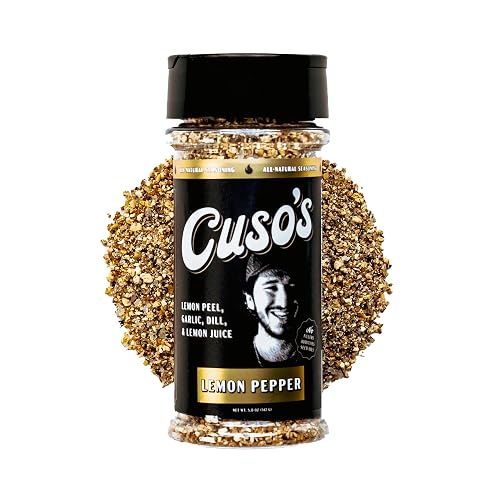
Cuso's Lemon Pepper Seasoning BBQ Rub – Lemon Pepper Powder Chicken Wing Rub – Chicken Seasonings, Spices for Grill, Marinade & Smoking – 1 Count – 5 oz bottle
A small-batch Mediterranean-style lemon pepper rub with a more gourmet profile:

Luxury Barbecue Spice Blend | Non GMO | No MSG | No Fillers | Handmade in USA | Gift Packaged | Small Batch | All Natural Gustus Vitae | Zesty Mediterranean Lemon Pepper Rub | Bougie BBQ Spices
If you want a broader BBQ-style rub with a sweet or heat-forward profile instead of a lemon-led blend, Top 7 Bbq Rib Rub Sweet Picks for Ribs in 2026 compares several popular options.
FAQ
Can I use lemon pepper BBQ rub on brisket?
You can, but it works better as a finishing seasoning than as the main rub. Apply a neutral base rub first, cook the brisket low and slow, and add lemon pepper near the end or after resting to keep the citrus bright.
Is lemon pepper rub too salty?
Many lemon pepper blends are salt-heavy. Check the sodium information on the package and reduce or skip added salt in your recipe. Taste a small piece of meat before seasoning the whole batch.
When should I apply the rub?
For thin cuts like wings or fish, apply shortly before cooking. For thicker cuts, applying up to several hours ahead lets the salt penetrate. Keep the meat refrigerated during that time.
What meats pair best with lemon pepper?
Chicken wings, drumsticks, thighs, fish fillets, shrimp and light pork chops are the most common pairings. Vegetables like zucchini and asparagus also take lemon pepper well.
Does buffalo lemon pepper have a lot of heat?
Buffalo-style blends generally have a moderate, tangy heat rather than an intense chili burn. Heat levels vary by brand, so check the product description and taste a small amount if you are unsure.
Should I add oil before applying the rub?
A thin layer of oil or mustard helps the rub stick, especially on a hot grill where the surface dries quickly. Use only a light coat so the seasoning does not turn gummy.
How should I store lemon pepper rub?
Keep it sealed in a cool, dry place away from the stove and direct sunlight. Moisture causes clumping and can dull the citrus flavor over time.
Is this rub suitable for people on a restricted diet?
Dietary needs vary. Read the full ingredient and allergen information on the label before buying. If you have a medical condition that affects salt or sodium intake, consult your doctor or a registered dietitian before adding a salty seasoning to your regular diet.
Final Verdict
The Champion Pitmaster Recipe Heath Riles lemon pepper buffalo seasoning is a practical choice for home cooks who want a bright, tangy rub for poultry, seafood and quick grilling. It is most at home on wings and thin cuts, and it works well as a finishing layer on larger meats. It is less ideal as the only seasoning for long smokes or for anyone who needs a low-sodium blend. Check the current ingredient list and sodium content before buying, and adjust salt in your recipes to match.
Before you buy: helpful guides
About Claire Whitaker
Claire Whitaker is part of our editorial team and reviews and edits our BBQ & grilling guides, checking product details against manufacturer specifications and owner feedback.