
 By Rowan Porter
Updated November 2026
The meat church holy voodoo bbq rub is one of the more talked-about Texas-style seasonings on the market, and it has a loyal following among backyard smokers and competition-minded cooks alike. It is built around a bold, savory base with a noticeable heat that builds rather than hits all at once. If you want a rub that brings big flavor to brisket, pork shoulder, ribs and even chicken without needing a long list of extra spices, this blend is worth a close look. If you prefer mild, sweet-forward seasonings, or you want a rub that works on delicate fish and vegetables without overpowering them, you should probably skip it and look elsewhere.

Meat Church Holy Voodoo BBQ Rub 13 oz.
Product Overview
Meat Church is a barbecue brand founded by pitmaster Matt Pittman, and its Holy Voodoo rub is one of the company’s core seasonings. It sits in the line alongside blends like Holy Cow and Honey Hog, and it is positioned as a robust, all-purpose savory rub with a kick. The product is sold in a 13 oz container under the listing title “Meat Church Holy Voodoo BBQ Rub 13 oz.”
The rub is designed to be applied as a dry coating before cooking, typically with a light layer of binder such as yellow mustard or a neutral oil. Owners generally use it on beef brisket, pork butt, spare ribs, baby backs and chicken thighs. Because it leans savory and peppery rather than sugary, it tends to form a dark, well-seasoned bark when smoked, which is one of the reasons it appeals to people who like a classic Texas-style finish.
Key Features & Specifications
The table below lists the details that are stated on the product listing or are consistently described by the manufacturer. Where a detail is not confirmed, it is left out rather than guessed.
| Feature | Details |
|---|---|
| Product name | Meat Church Holy Voodoo BBQ Rub |
| Net size | 13 oz |
| Style | Savory, peppery dry rub with a spicy finish |
| Intended use | Beef, pork, poultry, ribs and general smoking or grilling |
| Form | Dry granulated seasoning |
| Brand | Meat Church |
| Heat level | Medium, with a building finish (owners describe it as noticeable but not extreme) |
| Recommended application | Apply to dry or lightly oiled surfaces, roughly 30 minutes to overnight before cooking |
Manufacturers in this category typically recommend applying a generous, even coat and allowing the meat to rest with the rub on before smoking. Always check the ingredient panel on the specific package you buy, since formulations and labeling can change over time.
Pros & Cons
Pros
- Bold, savory flavor that stands up well to long smoke times on brisket and pork butt.
- Heat builds gradually, so it works for people who enjoy spice but do not want a fire-breathing rub.
- Forms a dark, flavorful bark that owners frequently mention as a highlight.
- Versatile across beef, pork and chicken, so one container can cover several cook days.
- Gluten-free labeling is listed on the brand’s product line, which matters for some households.
- Easy to use: no mixing required, and it works as a straightforward one-step seasoning.
Cons
- Not sweet, so it will not suit people who want a caramelized, sugary crust.
- The heat level may be more than mild-palate eaters want on chicken or kids’ portions.
- Strong savory profile can overwhelm delicate proteins like fish or shrimp.
- A 13 oz container goes quickly if you season large briskets or cook for a crowd.
- Some buyers prefer to blend their own rubs for full control over salt and heat.
Performance Analysis
Because this is a research-based review, the performance picture below is drawn from the product’s stated purpose, its specifications and the patterns that tend to show up in owner feedback rather than from personal cooking trials.
Flavor and Bark Formation
Owners commonly describe the rub as savory and peppery with a background of garlic, onion and other aromatics, followed by a warm, slowly building heat. In smoked applications, the dry ingredients are expected to caramelize and darken during a long cook, which is what produces the bark. Rubs with a higher proportion of savory spices and less sugar typically develop a deeper, more mahogany-colored crust, and that pattern fits what buyers usually report with this blend.
Heat Level
The heat is generally described as medium. It is more present than a standard mild rub but far from a ghost-pepper-style blend. If you are cooking for a mixed group, one practical approach is to season the pork or brisket fully and offer a lighter-seasoned or unseasoned portion for guests who prefer less spice. Heat intensity also grows slightly during a long cook as the surface reduces and concentrates, so keep that in mind on overnight briskets.
Application Notes
Most people apply the rub to a mustard or oil binder, then press it into the surface rather than simply sprinkling it on. Pressing helps the seasoning adhere and prevents it from falling off during handling. For thick cuts, owners often season the meat 12 to 24 hours ahead so the salt has time to penetrate. Because the blend is savory, watch the total salt in your overall recipe if you also use a salty brine or injection.
Value Considerations
Dry rubs are used in relatively small amounts per cook, so the real question is how many cooks a container will cover. For a typical household that smokes a few times a month, 13 oz tends to last a while. For catering-style or competition-scale cooking, many buyers prefer larger bulk sizes or a combo pack.
Who Should Buy This Product?
This rub makes the most sense for pitmasters and home cooks who want a dependable, savory Texas-style seasoning with some heat and do not want to build a rub from scratch. It is a strong choice for brisket, pork butt, spare ribs and chicken thighs, especially on smokers and pellet grills where a long, dark bark is the goal.
You should probably skip it if you want a sweet, sticky rib finish, if you cook a lot of seafood or delicate vegetables, or if the medium heat is more than your household enjoys. Shoppers who want maximum control over salt and sugar may also be happier making their own blend. If you are interested in sweeter alternatives from the same brand family, the Meat Church Honey Hog BBQ Rub Review: Features and Performance and the Meat Church Holy Cow BBQ Rub Review: Is It Worth It? cover different flavor directions.
Buying Guide
When choosing a savory BBQ rub, start by deciding what you cook most often. Brisket and pork butt handle heavy, savory seasoning well, while poultry and seafood usually need something lighter. Next, check the heat level and the sugar content on the label, because those two factors shape the final crust more than any other single ingredient.
Also consider whether the blend is gluten free, whether it contains added salt you will need to account for, and how much you cook in a typical month. A 13 oz container is a sensible size for regular home use, while larger combo packs make more sense if you cook for groups or like to keep several flavors on hand.
If you want to compare this rub with other well-known options, these two alternatives are worth a look:
- Meat Church Holy Cow BBQ Rub and Seasoning for Meat and Vegetables, Gluten Free, 12 Ounces – A companion blend from the same brand that is often chosen for a different savory profile.

Meat Church Holy Cow BBQ Rub and Seasoning for Meat and Vegetables, Gluten Free, 12 Ounces
- Meat Church BBQ Rub Combo: Holy Gospel (14 oz) and VooDoo (14 oz) BBQ Rub and Seasoning for Meat and Vegetables, Gluten Free, One Bottle of Each – A two-pack option for buyers who want to try more than one blend from the line.
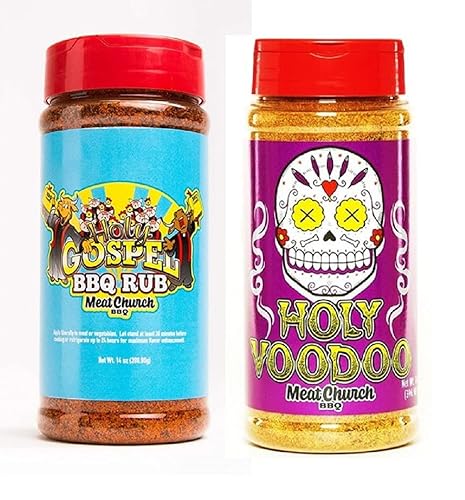
Meat Church BBQ Rub Combo: Holy Gospel (14 oz) and VooDoo (14 oz) BBQ Rub and Seasoning for Meat and Vegetables, Gluten Free, One Bottle of Each
For a broader look at how savory rubs compare, see 5 Best Honey Hog Hot BBQ Rub Options for Smoked Meats (2026) and Lane's BBQ Brisket Rub: 5 Best Options for Texas-Style Brisket (2026).
FAQ
Is Meat Church Holy Voodoo BBQ Rub very spicy?
It has a medium heat that builds gradually. Most owners describe it as noticeable but not extreme. If your household is sensitive to spice, apply it to the portions meant for adults and keep a milder option for children.
Does this rub have sugar in it?
The blend is primarily savory rather than sweet, so it will not produce a candied crust. Check the current ingredient panel on the package you receive, since labeling can change.
What meats work best with Holy Voodoo?
Beef brisket, pork butt, spare ribs, baby back ribs and chicken thighs are the most common uses. It is generally not the first choice for delicate fish or shrimp.
How far ahead should I apply the rub?
For most cuts, applying it 30 minutes to overnight before cooking works well. Thick cuts like brisket benefit from a longer rest in the fridge so the seasoning can penetrate.
Do I need a binder for this rub?
A binder is not strictly required, but yellow mustard or a light coat of oil helps the rub stick and form an even bark. Many owners find it makes a noticeable difference on smoked cuts.
Is it gluten free?
The product is marketed as gluten free. Confirm on the current package, especially if you cook for someone with a serious allergy or celiac disease.
Can I use it on vegetables?
Yes, it can be used on grilled vegetables, but the savory heat is strong, so use it sparingly on lighter produce. Some buyers prefer to use it mainly on meats.
How should I store the rub?
Keep the container tightly sealed in a cool, dry place away from direct heat and sunlight. Properly stored, dry rubs keep their flavor for many months.
Final Verdict
Meat Church Holy Voodoo BBQ Rub
The meat church holy voodoo bbq rub is a solid, savory choice for brisket, pork and chicken, with a medium building heat and a dark, flavorful bark that suits long smoke sessions. It is best for cooks who want a dependable Texas-style seasoning without mixing their own blend. It is less suited to sweet-rib lovers, seafood cooks or anyone who needs a mild rub for a mixed crowd. If that profile matches what you cook, it is a reasonable addition to your rack of rubs. You can View on Amazon to check current availability and the latest packaging details.
Related reading

About Rowan Porter
Rowan has been writing about bbq & grilling for this site, with an eye on clear explanations, honest trade-offs and options for different needs and budgets.