
 By Rowan Porter
Updated November 2026
Choosing a dry rub BBQ seasoning comes down to what you plan to cook, how much heat and sweetness you want on the bark, and how often you will reach for the jar. This list compares five widely sold blends using their listed specifications, brand reputation and the patterns owners tend to mention in feedback. We did not cook with these products ourselves; the picks reflect research into ingredients, container sizes and how each blend is usually positioned for ribs, brisket, poultry and general grilling.
Our top picks at a glance
- 1
 TOP CHOICEBest overallChampionship Barbecue Spice Blend for Beef, Steak, Ribs, Burgers, PorkView on Amazon
- 2
 TOP CHOICEBest for big-batch cookingMcCormick Grill Mates Barbecue Seasoning, 27 ozView on Amazon
- 3
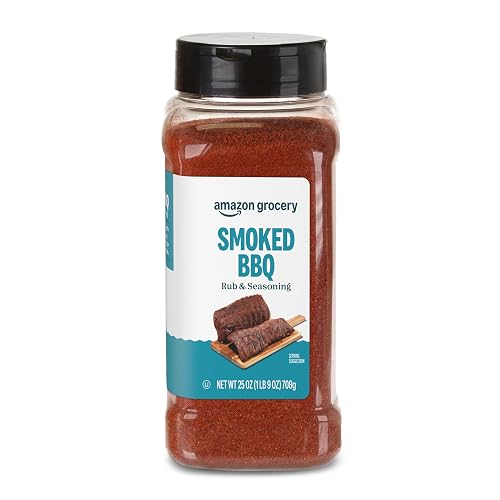 TOP CHOICEBest for smoky, savory flavorAmazon Grocery Smoked BBQ Rub & Seasoning, 25 OzView on Amazon
- 4
 Best for sweet heat on ribsHead Country BBQ Championship Seasoning, Original | XL, 12 ozView on Amazon
- 5
 Best for a sweet honey finishBBQ Rub Seasoning for Smoking & Grilling – Dry Rub for Ribs, Pork, BriView on Amazon
Our Top Picks
| Product | Best for | Key feature |
|---|---|---|
| Killer Hogs Championship Barbecue Spice Blend | All-purpose meats | Multi-protein blend in a shaker container |
| Amazon Grocery Smoked BBQ Rub & Seasoning | Smoky, savory profiles | Large 25 oz container |
| McCormick Grill Mates Barbecue Seasoning | Frequent or bulk use | 27 oz container for proteins and vegetables |
| Head Country BBQ Championship Seasoning | Sweet-and-heat ribs | Championship-style blend in a 12 oz XL size |
| Heath Riles BBQ Rub Honey BBQ Seasoning | Glazed, caramelized finishes | Honey-forward competition-style recipe |
Killer Hogs Championship Barbecue Spice Blend for Beef, Steak, Ribs, Burgers, Pork and Chicken, Convenient Shaker Container, 11 oz
Championship Barbecue Spice Blend for Beef, Steak, Ribs, Burgers, Pork and Chicken, Convenient Shaker Container Killer Hogs The BBQ Rub, Grill and Smoking Seasoning, 11 oz
Best for: All-purpose meats and a single jar that covers most of the grill
This is a good fit for cooks who run a mixed rotation of beef, pork and chicken and want one seasoning that works across all of it. The shaker container makes it easy to apply an even coat.
Key specs
- Size: 11 oz
- Format: shaker container
- Listed uses: beef, steak, ribs, burgers, pork and chicken
Pros
- Broad, multi-protein versatility
- Shaker format gives even coverage
- Works for both grilling and smoking
Cons
- Smaller container than bulk options
- Flavor profile may not suit those who prefer very sweet rubs
Bottom line: A strong first choice for a cook who wants one reliable blend for the whole menu.
Amazon Grocery Smoked BBQ Rub & Seasoning, 25 Oz
Amazon Grocery, Smoked BBQ Rub & Seasoning, 25 Oz
Best for: Smoky, savory profiles and heavy seasoning needs
This suits cooks who go through seasoning quickly and want a smoky base for brisket, pork shoulder and chicken thighs without buying a new jar every few weeks.
Key specs
- Size: 25 oz
- Flavor direction: smoked, savory
Pros
- Large container for frequent cooks
- Smoky profile suits long cooks
- Straightforward, store-brand value position
Cons
- Less distinctive than championship-style blends
- Smoky notes may overpower delicate poultry
Bottom line: Best for cooks who want a big, savory smoky rub for brisket and pork.
McCormick Grill Mates Barbecue Seasoning, 27 oz
McCormick Grill Mates Barbecue Seasoning, 27 oz – One 27 Ounce Container of Barbecue Rub, Perfect for Proteins, Vegetables and Fruits
Best for: Frequent or bulk use across proteins and vegetables
This is a practical choice for households that grill often and want a familiar, widely available blend for everything from chicken to corn and potatoes.
Key specs
- Size: 27 oz container
- Listed uses: proteins, vegetables and fruits
Pros
- Very large container for regular grilling
- Works on vegetables and fruit as well as meat
- Easy to find and consistent to reorder
Cons
- Flavor is milder than specialty competition rubs
- May need extra brown sugar or heat for deeper bark
Bottom line: A dependable everyday rub for cooks who value size and versatility over bold, specialized flavor.
Head Country BBQ Championship Seasoning, Original | XL, 12 oz
Head Country BBQ Championship Seasoning, Original | XL, 12 oz, BBQ Rubs
Best for: Sweet-and-heat ribs and pork
This blend is aimed at cooks who want a sweet, slightly spicy crust on ribs and pork shoulder, with the sugar helping build a glossy bark during a low-and-slow cook.
Key specs
- Size: 12 oz (XL format)
- Style: championship-style original blend
Pros
- Sweet-and-heat balance suits ribs well
- Sugar content helps bark color
- Larger XL size than many standard jars
Cons
- Sugar can scorch over very high heat
- Less suited to light seasoning on fish or delicate poultry
Bottom line: Pick this for ribs and pork if you like a sweet, peppery crust with a little kick.
BBQ Rub Seasoning for Smoking & Grilling, Dry Rub for Ribs, Pork, Brisket & Chicken, 80+ BBQ Championships, 8 oz Heath Riles BBQ Rub, Honey BBQ Seasoning
BBQ Rub Seasoning for Smoking & Grilling – Dry Rub for Ribs, Pork, Brisket & Chicken, 80+ BBQ Championships, 8 oz Heath Riles BBQ Rub – Honey BBQ Seasoning – Championship Recipe
Best for: Glazed, caramelized finishes with a honey profile
This suits cooks who want a honey-forward rub that builds a sticky, caramelized surface on ribs, wings and pork. It is a smaller container, so it fits cooks who want to try a specific style without committing to a large jar.
Key specs
- Size: 8 oz
- Flavor direction: honey BBQ, competition-style recipe
Pros
- Honey base browns quickly for glossy results
- Competition-style recipe with a clear identity
- Compact size for trying a new style
Cons
- Sugar burns easily on high-heat grills
- Small container runs out fast with heavy use
Bottom line: A good pick for cooks who want a sweet, sticky finish on ribs, wings and pork.
Buying Guide
Flavor Profile: Sweet, Savory, Smoky or Heat-Forward
Dry rubs fall into rough families. Sweet rubs contain brown sugar or honey and caramelize into a glossy bark. Savory rubs lean on salt, garlic, onion and paprika for a deeper, meatier crust. Smoky rubs add smoked paprika or chipotle. Read the ingredient list and decide which style you enjoy most before choosing.
Good picks for this: Head Country BBQ Championship Seasoning, Amazon Grocery Smoked BBQ Rub & Seasoning
Sugar Content and Burn Risk
Sugar is what makes a rub taste good on ribs and brisket, but it also burns. If you cook above roughly 300°F, check the bark often and consider wrapping or lowering the heat. Rubs with more sugar need closer attention than savory blends.
Good picks for this: McCormick Grill Mates Barbecue Seasoning, Killer Hogs Championship Barbecue Spice Blend
Container Size and Usage Rate
Estimate how often you cook. A weekend smoker with brisket and ribs each month will go through a jar far faster than a casual griller. Larger containers often work out better for regular cooks, while smaller jars are fine for trying a new style.
Good picks for this: Amazon Grocery Smoked BBQ Rub & Seasoning, McCormick Grill Mates Barbecue Seasoning
Versatility Across Proteins
Some blends are built for one meat, such as pork or tri-tip, while others are designed to work on beef, poultry and vegetables. If you cook a wide mix, a multi-protein blend saves you from keeping several jars on the shelf.
Good picks for this: Killer Hogs Championship Barbecue Spice Blend, McCormick Grill Mates Barbecue Seasoning
Salt Level and Seasoning Control
Most dry rubs are already salted, so check the sodium before adding extra salt to your meat. Over-salting is a common mistake, especially with savory, smoky blends. Apply a light, even coat and let the meat rest with the rub for a few hours or overnight.
Good picks for this: Amazon Grocery Smoked BBQ Rub & Seasoning, Head Country BBQ Championship Seasoning
Format and Ease of Application
Shaker containers give even coverage and are easy to use outdoors. Bulk bags or larger tubs are better for scooping into a bowl. Pick the format that matches how you season, whether that is a quick shake over the grill or a full rub of a large brisket.
Good picks for this: Killer Hogs Championship Barbecue Spice Blend, Heath Riles BBQ Rub Honey BBQ Seasoning
Storage and Freshness
Ground spices lose aroma over time. Store your rub in a cool, dry cabinet away from the stove and grill, with the lid sealed tightly. Ideally, use an opened container within a few months for the strongest flavor, and smell it before each cook.
Good picks for this: McCormick Grill Mates Barbecue Seasoning, Head Country BBQ Championship Seasoning
FAQ
What is the difference between a dry rub and a BBQ seasoning?
In practice the terms overlap. A dry rub is applied to meat before cooking and usually contains salt, sugar, pepper and spices. “BBQ seasoning” is a broader label that can refer to any blend used on grilled or smoked food, including ones meant for vegetables or sides.
How far ahead should I apply dry rub?
Apply it at least 30 minutes before cooking for a light coat. For larger cuts like brisket or pork shoulder, many cooks apply it the night before and refrigerate the meat uncovered or loosely covered so the surface dries slightly and the bark forms better.
Can I use a dry rub on chicken?
Yes. Many blends list chicken among their uses. Sweeter rubs can burn on skin over high heat, so cook chicken at a moderate temperature and watch the surface. Savory rubs usually suit chicken thighs and wings well.
Why does my rub burn on the grill?
Sugar in the blend caramelizes and then burns when temperatures are too high or the cook runs too long over direct flame. Lower the heat, move the meat to indirect heat, or wrap it during the stall if the bark looks too dark.
How much dry rub should I use?
A common starting point is a thin, even coat that just covers the surface without clumping. Too much rub can make the crust gritty or overly salty. Adjust based on the cut and your taste, and season again on the next cook if needed.
Is it safe to eat meat with dry rub on it that has sat overnight?
Yes, when the meat stays refrigerated. Keep it at or below 40°F during the rest period and cook to the safe internal temperatures recommended by the USDA. If you are unsure about food safety for a specific situation, consult a food safety professional or your local extension office.
Conclusion
For one jar that covers most of the menu, the Killer Hogs Championship Barbecue Spice Blend is a sensible first pick. Cooks who grill often and need size will look at the McCormick Grill Mates Barbecue Seasoning or the Amazon Grocery Smoked BBQ Rub & Seasoning. For sweet, sticky ribs and pork, the Head Country BBQ Championship Seasoning and the Heath Riles BBQ Rub Honey BBQ Seasoning are the most direct fits. Match the flavor profile and container size to how you cook, and your choice will be clear.
For more on building your own blends and pairing rubs with specific cuts, see Dry Rub BBQ Seasoning: 8 Best Picks for Ribs, Brisket and Chicken, How to Make a Dry Rub for BBQ from Scratch and Kansas City BBQ Dry Rub: 10 Best Picks for Ribs, Brisket and Pork (2026).
Sources
- Safe minimum internal cooking temperatures and food storage guidance for meat and poultry (usda.gov)
- Food labeling and ingredient information for seasonings and spice blends (fda.gov)
- Research-based guidance on food safety and home cooking from university extension programs (extension.org)
Related reading
- How to Make a Dry Rub for BBQ Chicken Drumsticks: Step-by-Step (2026)
- Dry Rub for BBQ Wings: A Step-by-Step Guide to Crispy, Flavorful Results
- Chipotle BBQ Dry Rub Review: Features and Performance
- BBQ Sides, Sauces, Dry Rubs and Grilled Vegetables

About Rowan Porter
Rowan has been writing about bbq & grilling for this site, with an eye on clear explanations, honest trade-offs and options for different needs and budgets.





