By Miles Sinclair
Updated November 2026
Shoppers searching for a grill mates smokin texas bbq rub usually want one thing: a dependable Texas-style seasoning that builds a bark and flavor on brisket, ribs, or steak without a lot of fuss. This list narrows the field to five rubs sold on Amazon US. The selection criteria were specifications stated on each listing, brand reputation for barbecue seasonings, and patterns that owners tend to mention in feedback, such as salt balance, bark formation, and how well the blend works across different cuts. None of these picks have been cooked off in a test kitchen by our staff; the notes below describe what each product is built for.
Our top picks at a glance
- 1
 TOP CHOICEBest overallMcCormick Grill Mates Applewood Rub, 10 ozView on Amazon
- 2
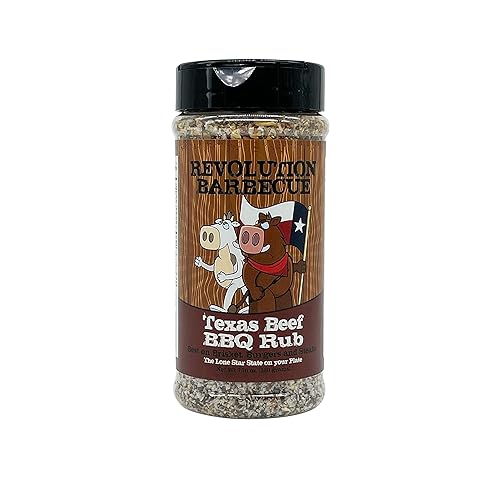 TOP CHOICEBest for brisketTexas Beef BBQ Rub – 2025 Rubs of Honor 1st Place Beef RubView on Amazon
- 3
 TOP CHOICEBest for ribs and porkBBQ Bros Rubs (Texas Style, 13 oz)View on Amazon
- 4
 Best for smoked beefSmoke Trails BBQ Brisket RubView on Amazon
- 5
 Best budget pickStubb's Texas All-Purpose Rub, 12.2 ozView on Amazon
Our Top Picks
Quick Comparison
| Product | Best for | Key feature |
|---|---|---|
| McCormick Grill Mates Applewood Rub, 10 oz | Everyday grilling and smoking | Smoky, sweet-savory applewood profile |
| Texas Beef BBQ Rub – 2025 Rubs of Honor 1st Place Beef Rub | Brisket and beef | Beef-focused, coarse-textured blend |
| BBQ Bros Rubs (Texas Style, 13 oz) | Ribs, pork, and chicken | Multi-purpose Texas-style seasoning |
| Smoke Trails BBQ Brisket Rub | Brisket and short ribs | Built around Texas brisket flavor |
| Stubb’s Texas All-Purpose Rub, 12.2 oz | Budget-minded all-purpose use | Large container, versatile across proteins |
McCormick Grill Mates Applewood Rub, 10 oz
McCormick Grill Mates Applewood Rub, 10 oz
Best for: Everyday grilling and smoking with a smoky, sweet-savory profile.
This suits cooks who want a familiar, widely available seasoning that works on chicken, pork chops, and burgers as well as larger cuts. It is a good starting point if you are learning how a rub behaves on your grill before committing to a brisket-specific blend.
Key specs:
- Size: 10 oz container
- Flavor: applewood smoke profile
- Format: dry rub seasoning
Pros:
- Familiar, approachable flavor for mixed menus
- Easy to apply with a simple shake-and-rub method
- Works across chicken, pork, and beef
Cons:
- Applewood profile is milder than a dedicated Texas brisket rub
- Smaller container may run out quickly for heavy smoking
Bottom line: A good pick for cooks who want one reliable, all-around rub rather than a specialist blend.
Texas Beef BBQ Rub – 2025 Rubs of Honor 1st Place Beef Rub
Texas Beef BBQ Rub – 2025 Rubs of Honor 1st Place Beef Rub – Award-Winning Brisket Rub & Steak
Best for: Brisket and beef, where bark formation matters most.
This is aimed at smokers and grill owners who cook brisket, beef ribs, or steaks and want a seasoning built specifically for beef. Owners often describe it as a bold, pepper-forward blend that builds a dark crust during a long cook.
Key specs:
- Positioned as a beef-specific Texas-style rub
- Marketed with a 2025 Rubs of Honor first-place award in its listing name
Pros:
- Clearly targeted at beef, especially brisket
- Bold flavor that holds up over long smoke times
- Also suited to steak and beef short ribs
Cons:
- Strong seasoning can overwhelm lighter cuts like chicken
- Award claim is from the listing itself and is not independently verified here
Bottom line: Best for brisket-focused cooks who want a dedicated beef rub.
BBQ Bros Rubs (Texas Style, 13 oz)
BBQ Bros Rubs (Texas Style -13 oz) – Barbecue Seasonings – BBQ Spices – Dry Rub- Handcrafted BBQ Rubs for Grilling, Cooking & Smoking – Use as a Meat Rub, Dry Marinade, Rib Rub & Meat Seasoning – Grea
Best for: Ribs, pork, and chicken in a Texas-style profile.
This works for cooks who smoke a mix of proteins and want one Texas-style seasoning that can serve as a meat rub, dry marinade, or finishing seasoning. It is a sensible middle ground between a brisket-only blend and a generic all-purpose spice.
Key specs:
- Size: 13 oz
- Style: Texas-style barbecue seasoning
- Listed uses: meat rub, dry marinade, rib rub, meat seasoning
Pros:
- Versatile across ribs, pork, chicken, and beef
- Listed as usable both as a rub and a marinade
- Generous 13 oz size for regular use
Cons:
- Less specialized than a dedicated brisket rub
- Owners who want a heavy black-pepper crust may need to add more
Bottom line: A strong choice for mixed-protein smokers who want one Texas-style rub for the whole rotation.
Smoke Trails BBQ Brisket Rub
Smoke Trails BBQ BRISKET RUB | BBQ Rub for Texas Brisket by Steve Gow | Great on Brisket, Beef Short Ribs, Steaks, and more
Best for: Brisket and short ribs with a classic Texas flavor.
This suits cooks who want a rub developed around Texas brisket and who also plan to use it on beef short ribs or steaks. The listing credits its creation to a named pitmaster, which appeals to buyers who prefer a rub with a clear barbecue identity.
Key specs:
- Positioned as a Texas brisket rub
- Listed uses: brisket, beef short ribs, steaks
Pros:
- Focused on the Texas brisket flavor profile
- Clear, specific use case for beef cooks
- Suitable for steaks and short ribs as well
Cons:
- Narrower use case than an all-purpose blend
- Specific size and salt level are not stated in the title, so check the full listing
Bottom line: Well suited to brisket cooks who want a Texas-focused blend with a recognizable pitmaster origin.
Stubb’s Texas All-Purpose Rub, 12.2 oz
Stubb's Texas All-Purpose Rub, 12.2 oz
Best for: Budget-minded all-purpose use across many proteins.
This is a practical choice for households that grill often and want one large container covering chicken, pork, beef, and vegetables. Stubb’s is a widely known barbecue brand, and owners tend to mention its versatility more than any single cut.
Key specs:
- Size: 12.2 oz
- Style: Texas all-purpose rub
Pros:
- Large container for frequent use
- Versatile across proteins and vegetables
- Recognized barbecue brand
Cons:
- Less brisket-specific than dedicated beef rubs
- May need extra coarse pepper for a heavier bark
Bottom line: The right pick for cooks who want a dependable, all-purpose Texas rub for regular grilling.
Buying Guide
Flavor profile: Texas-style versus all-purpose
Texas-style rubs usually lean on coarse black pepper, salt, and sometimes garlic or paprika, with little or no sugar. That keeps the bark dark and savory during long smokes. All-purpose blends often add sweetness or smoke flavorings to suit a wider range of foods. Decide whether you want a specialist or a generalist before comparing labels.
Good picks for this: BBQ Bros Rubs (Texas Style) and Stubb’s Texas All-Purpose Rub
Intended protein
Beef brisket and beef ribs need a bold, salt-forward seasoning that can stand up to hours of smoke. Chicken and pork usually do better with a slightly lighter touch. If you cook mostly one protein, a rub built for it will generally give more predictable results than a multi-purpose blend.
Good picks for this: Texas Beef BBQ Rub and Smoke Trails BBQ Brisket Rub
Container size and usage rate
Rubs are typically applied at a rate of roughly 1 to 2 tablespoons per pound of meat, depending on the cut and how heavily you want to season it. A 10 oz container may be enough for occasional cooks, while a 12 to 13 oz container suits people who smoke every weekend. Estimate your monthly cooks before choosing a size.
Good picks for this: McCormick Grill Mates Applewood Rub and BBQ Bros Rubs
Salt level and sodium awareness
Most barbecue rubs are salt-heavy by design, which matters if you are watching sodium intake. Check the nutrition panel on the listing and compare serving sizes. Cooks managing blood pressure or other conditions should talk with a doctor or registered dietitian about appropriate seasoning levels.
Good picks for this: Stubb’s Texas All-Purpose Rub and McCormick Grill Mates Applewood Rub
Ingredient and texture
Coarse grind matters for bark. Finer rubs adhere well and season evenly, while coarser rubs create a more textured crust. Look for listed ingredients such as black pepper, garlic, and paprika, and avoid rubs where sugar is the first ingredient if you want a savory Texas profile.
Good picks for this: Texas Beef BBQ Rub and Smoke Trails BBQ Brisket Rub
Storage and shelf life
Dry rubs keep best in a cool, dry, dark place with the lid sealed tightly. Moisture causes clumping and flavor loss. Rubs are generally best used within a year of opening for peak aroma, though the product itself is typically safe beyond that if stored well. Check the manufacturer’s date code or best-by guidance on the package.
Good picks for this: Stubb’s Texas All-Purpose Rub and McCormick Grill Mates Applewood Rub
Versatility as a marinade or finishing seasoning
Some rubs can double as a dry marinade or a finishing seasoning on sliced meat. If you want to use one product in several ways, look for listings that explicitly mention those uses and check whether the blend contains sugar, which can burn during high-heat finishing.
Good picks for this: BBQ Bros Rubs (Texas Style) and Stubb’s Texas All-Purpose Rub
FAQ
What is a Texas-style BBQ rub?
A Texas-style rub is typically a simple seasoning built on coarse black pepper and salt, often with garlic, onion, or paprika. It usually avoids heavy sugar so the meat develops a dark, savory bark during a long smoke.
Can I use one rub for brisket, ribs, and chicken?
Yes, though results vary. Multi-purpose Texas-style rubs work across proteins, while beef-specific blends are formulated for longer cooks on brisket. Chicken generally benefits from a lighter application.
How much rub should I use on a brisket?
Many pitmasters apply a generous, even coat, often around 1 to 2 tablespoons per pound of meat, adjusted to your taste and the rub’s salt level. Start conservatively with a new product and adjust next time.
Should I apply rub the night before cooking?
Applying rub 12 to 24 hours ahead, refrigerated and covered, lets salt penetrate and season the meat more deeply. For brisket and ribs this is a common practice. Keep raw meat at safe refrigerator temperatures and follow USDA food safety guidance.
Does sugar in a rub burn on the grill?
Sugar can char at high temperatures, especially on a hot grill or during finishing. Rubs with little or no sugar are generally better for long, low-temperature smokes, while sweeter blends suit shorter, moderate-heat cooks.
How long does a dry rub last?
Stored in a cool, dry place in a sealed container, most dry rubs keep their best flavor for about a year. Check the package date and smell the rub before use; stale or clumped seasoning should be replaced.
Conclusion
For a dependable everyday option, the McCormick Grill Mates Applewood Rub is a familiar starting point. Brisket cooks who want a beef-specific blend should look at the Texas Beef BBQ Rub or the Smoke Trails BBQ Brisket Rub. The BBQ Bros Rubs Texas Style suits mixed-protein smokers, and Stubb’s Texas All-Purpose Rub is a practical, large-container choice for frequent grilling. If you are still deciding between a grill mates smokin texas bbq rub and a Texas-specific alternative, match the rub to the protein you cook most often.
You may also find these related guides useful: The Salt Lick BBQ Rub Compared: 5 Best Picks for Every Grill (2026), 6 Best Texas BBQ Dry Rub Picks for Brisket and Beef (2026), How to Make a Dry Rub for BBQ from Scratch, 6 Best BBQ Rubs for Brisket Picks for Texas-Style Smoking (2026), and Lane's BBQ Brisket Rub: 5 Best Options for Texas-Style Brisket (2026).
Sources
- Food safety guidance for handling, marinating and refrigerating raw meat before cooking (usda.gov)
- Labeling and nutrition information requirements for packaged seasonings, including sodium content (fda.gov)
- Research-based university extension guidance on safe cooking temperatures and smoking meat (extension.illinois.edu)
Before you buy: helpful guides
About Miles Sinclair
Miles Sinclair is part of our editorial team and reviews and edits our BBQ & grilling guides, checking product details against manufacturer specifications and owner feedback.