 By Ethan Brooks
Updated November 2026
Smoking temperature for brisket is the single biggest factor in turning a tough, stubborn cut into tender, sliceable meat. In this guide you will learn the cooking window most pitmasters use, why the number matters more than the clock, and how to keep your pit steady from the first hour to the final rest. The short answer: aim for a pit temperature between 225°F and 275°F, with 250°F as a reliable middle target.
Why Smoking Temperature Matters for Brisket
A beef brisket is built from two muscles, the flat and the point, and both are packed with connective tissue made of collagen. Collagen does not soften at serving temperature. It breaks down into gelatin only when the meat sits in a moderate heat range for a long time. If the pit runs too hot, the outside of the meat tightens and dries out before the collagen has a chance to render. If it runs too cool, the brisket can sit in the food safety danger zone longer than you want and the process drags on for hours.
Shopping for one? See our guide: 5 Best BBQ Beef Brisket Rub Picks for Texas-Style Smoking (2026).
The temperature you pick controls three things: how fast the meat heats, how much smoke flavor and bark form, and how long the cook takes. Low heat gives you deeper smoke penetration and a thin, well-set bark, while higher heat speeds things up and can produce a slightly thicker bark with less time for flavor to build.
The Recommended Smoking Temperature Range
Most competition cooks and backyard pitmasters land somewhere in the 225°F to 275°F range. Each setting has trade-offs, and the right one depends on your schedule and your style.
| Pit Temperature | Typical Cook Time (12-pound packer) | What You Get |
|---|---|---|
| 225°F to 235°F | 12 to 16 hours | Deep smoke flavor, thin and crisp bark, very forgiving of schedule changes |
| 250°F (middle target) | 9 to 12 hours | Balanced smoke, good bark, predictable timing for most cooks |
| 265°F to 275°F | 7 to 10 hours | Faster finish, slightly thicker bark, less time for smoke to build |
Cook times in the table are rough estimates. The weight of the brisket, its thickness, how much fat it carries and the weather all change the actual time. For a fuller look at timing by weight, see How Long to Smoke a Brisket? Times by Weight and Temperature.
Step-by-Step: Setting Up Your Pit for Brisket
A steady temperature matters more than hitting one exact number. Use this sequence before the meat goes on.
- Season the brisket the night before, or at least an hour ahead, with salt and pepper or the rub of your choice.
- Preheat the smoker to your target temperature, around 250°F, and let it run empty for 20 to 30 minutes so the walls and grates stabilize.
- Place a second probe or a reliable ambient thermometer at grate level, not just the built-in dome gauge, which often reads several degrees off.
- Add wood once the pit is stable. Thin blue smoke is what you want. Thick white or gray smoke makes bitter meat.
- Place the brisket fat side up (for most offset and pellet setups) on the hottest part of the grate or a point-to-flat orientation that suits your cooker.
- Insert your meat probe into the thickest part of the flat, avoiding the fat pocket and any bone-like cartilage.
- Check the pit temperature every 30 to 45 minutes and make small adjustments rather than large swings.
Tools You Will Need
- A smoker or grill that holds a steady temperature in the 225°F to 275°F range
- A leave-in meat probe with an alarm or Bluetooth readout
- A second thermometer for the cooking chamber
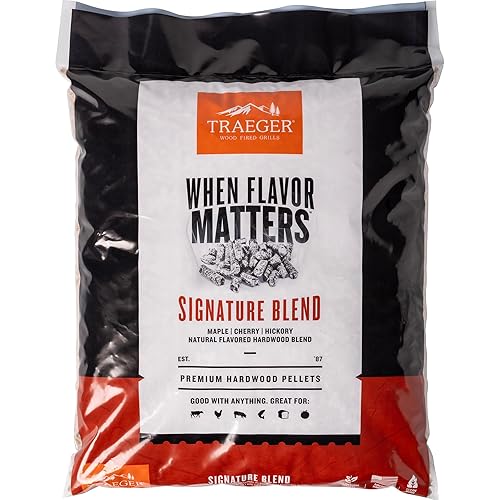
- Hardwood chunks or pellets suited to beef, such as oak, hickory or post oak
- Butcher paper or foil for the wrap stage
- An instant-read thermometer for final checks
How Temperature Changes Through the Cook
The First Hours: Building Smoke and Bark
For roughly the first four to six hours, keep the pit at your chosen setting and resist the urge to open the lid. The meat will climb steadily into the 150s and 160s and then often stall. This stall is normal. It happens because moisture evaporating from the surface cools the meat, roughly matching the heat coming in. Do not raise the pit temperature to push through the stall, because that is how you get a dry exterior and a tight texture.
The Stall and the Wrap
Once the bark is set and deep mahogany, many cooks wrap the brisket to push past the stall. Wrapping in butcher paper or foil keeps moisture in and speeds the final push. Keep the pit at the same temperature you started at. Wrapping timing is covered in more detail in When to Wrap Brisket: 3 Signs It's Time (and Why It Matters).
The Final Stretch and Target Internal Temperature
The internal target for a finished brisket is commonly cited around 203°F, but the feel of the probe is just as important as the number. The probe should slide into the flat with little resistance, like into softened butter. For specific target numbers and feel tests, read Brisket Temperature When Done: 203°F and How to Confirm It and Internal Temperature of Brisket: Target Numbers and How to Know It's Done.
Common Mistakes to Avoid
- Running the pit too hot. Pushing past 300°F to save time almost always leads to dry, tough meat.
- Trusting the dome gauge. Built-in thermometers can be off by 25°F or more. Verify with a separate probe at grate level.
- Opening the lid constantly. Each opening can drop chamber temperature noticeably and extend the cook.
- Pulling by time alone. A brisket that hits a set clock time may still be undercooked. Go by probe feel.
- Skipping the rest. Resting for at least one hour in a faux cambro or a warm cooler lets juices redistribute.
Tips for Consistent Results
- Start with a fully preheated, stable pit. Temperature swings in the first hour are the hardest to correct later.
- Keep a log of pit temperature, wood type and internal readings. Patterns show up quickly across three or four cooks.
- Learn how your cooker responds. Some pellet grills drift a few degrees over long cooks. Knowing this lets you adjust early.
- For a more hands-off approach, a controller can hold the setpoint for you. For background, see How a Grill Temperature Controller Works for Smoking.
- If you are weighing cooker options, a comparison of Smoking Brisket on Pellet Grill: A Step-by-Step Guide for Juicy Results and Smoking Brisket on Electric Smoker: A Step-by-Step Guide for Juicy Results can help you match temperature control to your setup.
Recommended Gear
A dependable leave-in probe is the one tool that makes the biggest difference for temperature decisions. Owners often report that a second probe lets them monitor both the meat and the chamber without guesswork.
- Dual-probe wireless meat thermometer: Lets you track meat temperature from outside the smoker and set alerts for your target. View on Amazon
- Digital pit thermometer with a grate probe: Gives an accurate reading of the cooking chamber at grate level, where the meat actually sits. View on Amazon
- Butcher paper for the wrap: Breathable wrap that protects bark while letting some moisture escape. View on Amazon
FAQ
What is the best smoking temperature for brisket?
Most cooks use 250°F as a reliable middle point, with a working range of 225°F to 275°F. Lower temperatures give deeper smoke and more time for rendering, while higher ones shorten the cook.
Can I smoke brisket at 300°F?
You can, but it is risky. Higher heat speeds the cook and can dry out the exterior before the connective tissue fully renders. Most pitmasters keep the pit at 275°F or below.
Why does my brisket stall at around 160°F?
Evaporative cooling from moisture on the surface balances the heat coming in, so the internal temperature plateaus. Wrapping or simply waiting usually gets it moving again. Avoid raising the pit temperature sharply to force it through.
Should I wrap my brisket in foil or butcher paper?
Foil traps more moisture and cooks faster but can soften bark. Butcher paper is breathable and tends to preserve bark texture. Either works at the same pit temperature you started with.
What internal temperature should brisket reach?
A common target is around 203°F, but tenderness matters more. The probe should slide into the flat with little resistance. Check the feel in several spots.
How do I keep my smoker at a steady temperature?
Preheat fully, use a separate grate-level thermometer, add wood in small amounts and minimize lid openings. A temperature controller can also help hold the setpoint.
Does the temperature need to change between flat and point?
No. Both sections are cooked at the same pit temperature. The point usually needs more time to tenderize because it carries more fat and connective tissue, so probe it separately near the end.
Is it safe to let brisket sit at smoking temperature for many hours?
Smoking temperatures at or above 225°F keep the meat moving through the danger zone quickly enough for food safety when the pit is stable. If you have concerns about holding or food safety, consult your local food safety guidelines or a qualified food safety professional.
Conclusion
Smoking temperature for brisket comes down to a steady pit between 225°F and 275°F, with 250°F as a dependable starting point. Keep the chamber stable, avoid unnecessary lid openings and verify your readings with a separate thermometer. Let the probe feel guide the finish, then rest the meat before slicing.
Ready to choose one?
About Ethan Brooks
Ethan Brooks is part of our editorial team and reviews and edits our BBQ & grilling guides, checking product details against manufacturer specifications and owner feedback.