
 By Claire Whitaker
Updated November 2026
If you want a bbq rub recipe brown sugar style, you are usually after a sweet, caramelized bark on ribs, pork shoulder or chicken without the seasoning turning burnt before the meat is done. Brown sugar is the sweetener most pitmasters reach for because its molasses content adds depth and helps build a dark crust. This guide looks at six ready-made brown sugar rubs and how each one fits different cooks, using product specifications, brand reputation and common owner feedback as the basis for comparison. Nothing here comes from our own testing.
Our top picks at a glance
- 1
 TOP CHOICEBest overallWeber Smoky Brown Sugar Dry Rub, 12 ozView on Amazon
- 2
 TOP CHOICEBest for bourbon-style flavorMcCormick Grill Mates Brown Sugar Bourbon SeasoningView on Amazon
- 3
 TOP CHOICEBest for classic barbecue ribsKINDER'S Brown Sugar BBQ Rub, 5 OunceView on Amazon
- 4
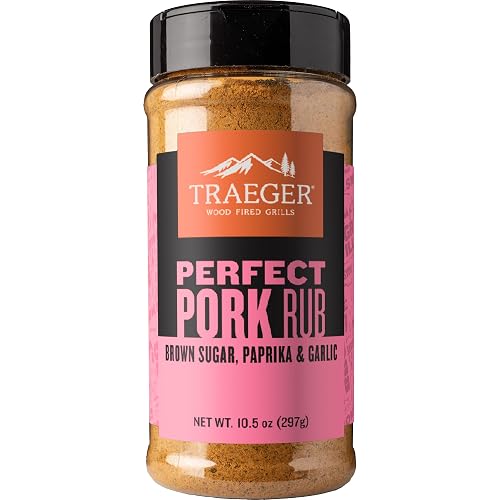 Best for porkTraeger Grills SPC255 Perfect Pork Rub with Brown Sugar, Paprika, & GarlicView on Amazon
- 5
 Best for variety packsGuy Fieri Flavortown Brown Sugar BBQ Dry Rub, 2 PackView on Amazon
- 6
 Best for fruit-forward flavorKinder's Rubs & Seasonings, Cherry Brown Sugar 6.5 ozView on Amazon
Selection criteria: we looked at whether the rub lists brown sugar as a primary ingredient, how well the flavor profile suits common cuts, the package size relative to typical use, and whether the brand has a consistent track record that owners tend to mention in feedback.
Our Top Picks
Quick Comparison
| Product | Best for | Key feature |
|---|---|---|
| Weber Smoky Brown Sugar Dry Rub, 12 oz | Everyday ribs, pork and chicken | Smoky brown sugar base in a large container |
| McCormick Grill Mates Brown Sugar Bourbon Seasoning | Bourbon-flavored pork and beef | Bourbon and brown sugar blend |
| KINDER’S Brown Sugar BBQ Rub, 5 Ounce | Classic sweet-and-smoky ribs | Traditional brown sugar barbecue profile |
| Traeger Grills SPC255 Perfect Pork Rub | Pork shoulder and pork chops | Brown sugar with paprika and garlic |
| Guy Fieri Flavortown Brown Sugar BBQ Dry Rub, 2 Pack | Cooks who want to try a bigger range of meats | Two-pack for multiple cookouts |
| Kinder’s Cherry Brown Sugar Rub, 6.5 oz | Chicken, pork and sweet-leaning glazes | Cherry note layered over brown sugar |
Weber Smoky Brown Sugar Dry Rub, 12 oz
Weber Smoky Brown Sugar Dry Rub, 12 oz
Best for: Everyday ribs, pork and chicken
This is a good fit for cooks who want one reliable brown sugar rub to keep on hand. The larger container suits people who cook often and do not want to reorder.
Key specs
- Size: 12 oz
- Flavor base: smoky brown sugar
- Format: dry rub
Pros
- Large container for frequent cooking
- Smoky and sweet profile works across several meats
- Easy to apply evenly with a shaker or by hand
Cons
- Sweetness can be strong for people who prefer a more savory rub
- Large size may be more than occasional cooks need
Bottom line: A strong default choice for cooks who want a dependable brown sugar rub for ribs, pork and chicken.
McCormick Grill Mates Brown Sugar Bourbon Seasoning
McCormick Grill Mates Brown Sugar Bourbon Seasoning, 9.75 oz
Best for: Bourbon-flavored pork and beef
Suited to cooks who want a whiskey-tinged sweetness rather than straight brown sugar. Owners often describe it as easy to use on steaks and pork chops as well as ribs.
Key specs
- Size: 9.75 oz
- Flavor: brown sugar with bourbon notes
- Format: seasoning blend
Pros
- Distinct bourbon character adds variety to standard brown sugar profiles
- Works on beef as well as pork
- Widely available brand name
Cons
- Bourbon flavor may not suit traditional Carolina or Kansas City styles
- Sugar can scorch on high-heat grilling if not watched
Bottom line: Best for cooks who want a slightly richer, whiskey-accented rub on pork and beef.
KINDER’S Brown Sugar BBQ Rub, 5 Ounce
KINDER'S Brown Sugar BBQ Rub, 5 Ounce
Best for: Classic sweet-and-smoky ribs
A traditional brown sugar barbecue rub that suits cooks who want the flavor most people picture when they think of sweet pork ribs. The smaller 5 oz size makes it a practical trial option.
Key specs
- Size: 5 oz
- Flavor: brown sugar barbecue profile
- Format: dry rub
Pros
- Classic flavor profile that suits ribs well
- Smaller size is a low-commitment way to try it
- Brand is well known in barbecue circles
Cons
- Small container runs out quickly for frequent cooks
- Limited versatility beyond pork and chicken
Bottom line: A solid pick for anyone chasing a traditional sweet rib flavor without committing to a large bag.
Traeger Grills SPC255 Perfect Pork Rub with Brown Sugar, Paprika, & Garlic
Traeger Grills SPC255 Perfect Pork Rub with Brown Sugar, Paprika, & Garlic
Best for: Pork shoulder and pork chops
Designed around pork, this rub combines brown sugar with paprika and garlic. It suits cooks who want a balanced profile rather than a purely sweet one, especially on pulled pork.
Key specs
- Flavor components: brown sugar, paprika, garlic
- Format: dry rub
- Intended use: pork
Pros
- Paprika and garlic add savory depth beside the sweetness
- Well suited to slow-cooked pork shoulder
- Backed by a major pellet grill brand
Cons
- Narrower focus than all-purpose rubs
- Paprika can darken quickly on very high heat
Bottom line: Pork-focused cooks who want brown sugar balanced with savory spice will find this a good match.
Guy Fieri Flavortown Brown Sugar BBQ Dry Rub, 2 Pack
Brown Sugar BBQ Dry Rub for Chicken Pork Beef Seafood and Vegetables Guy Fieri Flavortown Brown Sugar BBQ Dry Rub 4.5 Ounce 2 Pack
Best for: Cooks who want to try a bigger range of meats
The two-pack format suits households that cook across chicken, pork, beef and seafood and want backup on hand. The brown sugar base is intended for a broad range of proteins and vegetables.
Key specs
- Size: 4.5 oz each, 2 pack
- Flavor: brown sugar barbecue dry rub
- Intended use: chicken, pork, beef, seafood, vegetables
Pros
- Two containers reduce the need to reorder
- Versatile across proteins and vegetables
- Recognizable brand name for casual grillers
Cons
- Smaller individual containers may run out fast on large cooks
- Broad positioning means it may not be specialized enough for competition-style barbecue
Bottom line: Good for home cooks who rotate between many meats and want a multi-pack.
Kinder’s Rubs & Seasonings, Cherry Brown Sugar 6.5 oz
Kinder's Rubs & Seasonings – 1 bottle (Cherry Brown Sugar 6.5oz)
Best for: Fruit-forward flavor on chicken and pork
Cherry added to a brown sugar base gives a sweeter, slightly fruity character. It suits cooks who want something different from classic smoke-and-sugar profiles.
Key specs
- Size: 6.5 oz
- Flavor: cherry brown sugar
- Format: dry rub seasoning
Pros
- Distinctive cherry note stands out from standard rubs
- Works well on chicken and pork
- Brand has a range of flavors for experimenting
Cons
- Fruit flavor may be too sweet for traditional brisket
- Sugar content can burn if cooked at high temperatures
Bottom line: A good choice for cooks who like sweet, fruit-tinged flavors on lighter meats.
Buying Guide
Sugar type and content
Brown sugar contains molasses, which gives a deeper flavor and a darker bark than white sugar. Check the ingredient list: brown sugar should appear near the top if it is meant to drive the flavor. Rubs that list sugar far down the list will taste more savory than sweet.
Good picks for this: Weber Smoky Brown Sugar Dry Rub, KINDER’S Brown Sugar BBQ Rub
Supporting spices
Paprika, garlic, onion, black pepper and chili are the usual partners for brown sugar. Paprika adds color and mild smoke, while cayenne adds heat. Choose a rub whose spice profile matches the meat you cook most often.
Good picks for this: Traeger Grills SPC255 Perfect Pork Rub, McCormick Grill Mates Brown Sugar Bourbon Seasoning
Package size and freshness
Dry rubs lose aroma over time, especially once opened. A larger container is more economical per use only if you will finish it within a reasonable period. Storing rubs in a cool, dry place away from direct light helps preserve flavor.
Good picks for this: Guy Fieri Flavortown Brown Sugar BBQ Dry Rub, Weber Smoky Brown Sugar Dry Rub
Protein match
Pork ribs and pork shoulder handle sweet rubs well because the fat and long cook time balance the sugar. Chicken benefits from slightly lighter sweetness, and beef brisket often pairs better with a rub that leans savory. Matching the rub to the cut prevents bitter, burnt results.
Good picks for this: Traeger Grills SPC255 Perfect Pork Rub, Kinder’s Cherry Brown Sugar Rub
Cooking temperature and burn risk
Sugar begins to burn at relatively low temperatures compared with salt and spice. If you cook hot, apply the rub shortly before cooking or use it as a finishing layer. Low-and-slow smoking at around 225 to 275 °F gives more time for the bark to form without scorching.
Good picks for this: KINDER’S Brown Sugar BBQ Rub, McCormick Grill Mates Brown Sugar Bourbon Seasoning
Application method
Apply rub to meat that has a thin layer of binder such as yellow mustard or oil, then let it sit. Many pitmasters rub meat 30 minutes to overnight before cooking. Use enough rub to coat the surface evenly but not so thick that it forms a paste.
Good picks for this: Weber Smoky Brown Sugar Dry Rub, Guy Fieri Flavortown Brown Sugar BBQ Dry Rub
Make your own versus buy ready-made
A homemade bbq rub recipe brown sugar blend lets you control salt, sugar and heat. A basic starting ratio many cooks use is about two parts brown sugar to one part paprika and one part kosher salt, plus smaller amounts of garlic powder, onion powder and black pepper. Ready-made rubs save time and offer consistent results. Either approach works well if you season carefully.
Good picks for this: Kinder’s Cherry Brown Sugar Rub, Traeger Grills SPC255 Perfect Pork Rub
FAQ
What is the best brown sugar to use in a BBQ rub?
Light brown sugar is the most common choice because it is mild and dissolves easily. Dark brown sugar has more molasses and a stronger flavor, which can work well on pork and beef. Either will caramelize, so pick based on how much molasses flavor you want.
How much rub should I use on ribs or pork shoulder?
A common guideline is about one to two tablespoons of rub per pound of meat, applied to all surfaces. Adjust based on how thick your coating is and how sweet the rub is. Always check the manufacturer’s directions if you are using a commercial product.
Why does my brown sugar rub burn on the grill?
Sugar scorches at lower temperatures than most seasonings. Cooking at high heat, or leaving the rub on a hot grate for a long time, can cause bitterness. Lower the grill temperature, move the meat away from direct flame, or wrap or finish with sauce later in the cook.
Can I use brown sugar rub on chicken?
Yes. Chicken takes brown sugar well, though it cooks faster than pork or brisket. Use a moderate amount of rub and watch the skin for color, since sugar darkens quickly on poultry.
How long should I let a dry rub sit on meat before cooking?
Many cooks rub meat anywhere from 30 minutes to overnight. Longer resting periods let salt penetrate and season the meat more deeply. Keep the meat refrigerated during long rests and bring it to a safe handling practice before cooking.
Is a homemade brown sugar BBQ rub better than store-bought?
It depends on your priorities. Homemade rubs let you control sweetness, salt and heat, while store-bought rubs offer convenience and consistent flavor. Both can produce excellent results when balanced properly.
Does brown sugar rub need to be reapplied during cooking?
Usually not. Most cooks apply the rub once before cooking and sometimes add a light layer later for extra bark. Reapplying too much can create a thick, gummy crust.
Conclusion
For a dependable everyday brown sugar rub, the Weber Smoky Brown Sugar Dry Rub is a versatile starting point. Cooks who want a traditional sweet rib flavor will likely prefer KINDER’S Brown Sugar BBQ Rub, while pork-focused cooks may lean toward the Traeger Grills SPC255 Perfect Pork Rub. The McCormick bourbon blend suits anyone wanting a richer, whiskey-tinged profile, the Guy Fieri two-pack suits households with varied meats, and the Kinder’s cherry blend suits fruit-forward experimenters. Match the rub to the cut, watch your cooking temperature, and adjust sweetness to taste.
Sources
- Food safety guidance on handling and refrigerating raw meat before and during seasoning (usda.gov)
- Information on food labeling and ingredient declarations for seasoning products (fda.gov)
- Research-based cooking and food preparation guidance from land-grant university extension programs (extension.org)
Related reading
- Is Kinders Brown Sugar BBQ Rub Good? Flavor, Uses and Tips
- Guy Fieri Flavortown Brown Sugar BBQ Rub Review: Is It Worth It?
- Ultimate BBQ Pork Rub Recipe: Step-by-Step for Ribs and Shoulder
About Claire Whitaker
Claire Whitaker is part of our editorial team and reviews and edits our BBQ & grilling guides, checking product details against manufacturer specifications and owner feedback.


