
 By Claire Whitaker
Updated November 2026
Looking for a reliable kansas city bbq rub recipe? Most pitmasters who make this style want a sweet, smoky, slightly peppery blend that builds a dark bark without burning, plus the context to know when to use it. The picks below were chosen by comparing published titles, their recipe coverage, the cooking methods they address, and the feedback owners commonly report. Each one is a cookbook, not a single spice blend, so you get a range of rub formulas along with guidance on technique.
Our top picks at a glance
- 1
 TOP CHOICEBest overall50 Kansas City Barbecue Recipes for HomeView on Amazon
- 2
 Best for dry and wet rub varietyUltimate BBQ Rub CookbookView on Amazon
- 3
 Best for building your own rub libraryRubs (Third Edition)View on Amazon
- 4
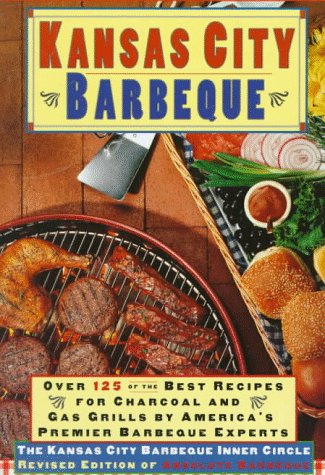 Best for authentic regional historyKansas City BarbequeView on Amazon
Our Top Picks
Here is how the four titles compare at a glance before we go through each one.
| Product | Best for | Key feature |
|---|---|---|
| 50 Kansas City Barbecue Recipes for Home | Home cooks wanting a focused Kansas City collection | Recipes scoped specifically to the Kansas City style |
| Ultimate BBQ Rub Cookbook | Cooks who want rubs from several US barbecue cities | Dry and wet rub recipes across regional styles |
| Rubs (Third Edition) | Cooks building a long-term collection of rub formulas | Over 175 recipes for rubs, marinades, glazes and bastes |
| Kansas City Barbeque | Readers who want the classic regional reference | Over 125 recipes for charcoal and gas grills |
50 Kansas City Barbecue Recipes for Home
50 Kansas City Barbecue Recipes for Home
Best for: Home cooks who want a focused, Kansas City-only collection
This book suits someone who already knows they want the Kansas City style and does not want to sort through broader regional content. Because the scope is narrow, the recipes tend to stay close to the sweet-and-savory profile that defines the style, which makes it a useful starting point for a first rub.
Key specs
- Focus: Kansas City barbecue recipes for home cooking
- Title lists 50 recipes
Pros
- Narrow scope keeps the content on-style
- Good fit for beginners learning the regional flavor profile
- Recipes are framed for home kitchens and backyard grills
Cons
- Less coverage of other regional styles for comparison
- A smaller recipe count than the larger rub-focused titles
Bottom line: The right pick for a cook who wants a Kansas City specialist book without extra material.
Ultimate BBQ Rub Cookbook
Ultimate BBQ Rub Cookbook: 60 Dry and Wet Rub Recipes from America’s Iconic BBQ Cities – Memphis, Kansas City, Texas, and More (Global Culinary Adventures Book 17)
Best for: Cooks who want rub recipes from several US barbecue regions
This title is useful if you want to compare Kansas City rubs against Memphis, Texas and other styles in one place. It is a good match for cooks who like to experiment and want both dry and wet rub formulas to work with.
Key specs
- Covers dry and wet rub recipes
- Includes styles from Memphis, Kansas City, Texas and other cities, per the listing
Pros
- Side-by-side regional comparison helps you understand what makes Kansas City different
- Both dry and wet formulas broaden your options
- Suits cooks who enjoy experimenting across styles
Cons
- Kansas City coverage is one part of a wider collection
- Readers wanting a single-style deep dive may find it broad
Bottom line: A strong choice for a cook building a versatile rub repertoire across regional styles.
Rubs (Third Edition)
Rubs (Third Edition): Updated and Revised to Include Over 175 Recipes for BBQ Rubs, Marinades, Glazes, and Bastes (The Art of Entertaining)
Best for: Cooks building a long-term library of rub formulas
This is a reference-style book aimed at anyone who wants many rub options in one volume. It also covers marinades, glazes and bastes, so it works as a general tool for seasoning and finishing meat, not only Kansas City cooking.
Key specs
- Third edition, updated and revised
- Over 175 recipes for rubs, marinades, glazes and bastes, per the listing
Pros
- Large recipe count gives many formulas to compare
- Covers wet and finishing components as well as dry rubs
- Useful reference for cooks who season a wide range of proteins
Cons
- Not limited to Kansas City style, so you will need to filter for it
- Its breadth can feel overwhelming for a beginner
Bottom line: Best for a cook who wants a general seasoning reference and is comfortable adapting recipes to a regional style.
Kansas City Barbeque
Kansas City Barbeque: Over 125 of the Recipes for Charcoal and Gas Grills By America's Premier Experts
Best for: Readers who want a classic regional reference
This title is aimed at cooks who want a recipe collection written around charcoal and gas grilling in the Kansas City tradition. It suits anyone who prefers a longer, more traditional cookbook over a short modern guide.
Key specs
- Over 125 recipes for charcoal and gas grills, per the listing
- Written around Kansas City barbecue traditions
Pros
- Large recipe count with a regional focus
- Covers both charcoal and gas grill methods
- Well suited to readers who value a classic reference
Cons
- Some readers may find older-style presentation less practical than newer layouts
- Rub recipes are part of a larger collection rather than the main focus
Bottom line: A solid pick for a cook who wants a traditional Kansas City reference covering both grill types.
Buying Guide
Before you buy a Kansas City rub resource, think about what you actually need: a single recipe, a regional cookbook, or a broad seasoning reference. The factors below help you match a title to your cooking habits.
Regional focus versus broad coverage
A Kansas City-only title keeps recipes on-style, while a multi-region book lets you compare flavors. If you already know the style you want, a narrow book saves time. If you are still deciding, broader coverage gives context.
Good picks for this: 50 Kansas City Barbecue Recipes for Home, Ultimate BBQ Rub Cookbook
Recipe count and variety
Large recipe counts give you more formulas to test, but more recipes do not always mean more useful ones. Check whether the book organizes rubs by protein or by flavor profile, since that affects how quickly you can find what you need.
Good picks for this: Rubs (Third Edition), Kansas City Barbeque
Dry versus wet rub coverage
Kansas City cooking commonly uses a dry rub before smoking, with sauce applied later. Some books focus on dry formulas, while others include wet pastes and marinades. Decide which type you cook most often.
Good picks for this: Ultimate BBQ Rub Cookbook, Rubs (Third Edition)
Grill type and cooking method
Some recipes are written for charcoal and others for gas, and the timing and heat management can differ. Look for a book that addresses the equipment you own, whether that is a kettle, offset smoker or gas grill.
Good picks for this: Kansas City Barbeque, 50 Kansas City Barbecue Recipes for Home
Sugar content and sweetness balance
Kansas City rubs are known for brown sugar and sweet notes, which can burn at high heat. A good resource explains how to manage sugar in the rub and when to apply sauce. If you need lower sugar, check whether the book offers adjustments.
Good picks for this: 50 Kansas City Barbecue Recipes for Home, Kansas City Barbeque
Durability and reference value
You will likely return to a rub book many times, so pay attention to how the pages are laid out and whether ingredients are listed clearly. A reference-style edition with an index makes it easier to find a specific formula mid-cook.
Good picks for this: Rubs (Third Edition), Ultimate BBQ Rub Cookbook
Care and storage of your rub
Whatever recipe you choose, store homemade rub in an airtight container away from heat and light, since sugar and paprika lose color and aroma over time. Make small batches if you do not cook often.
Good picks for this: 50 Kansas City Barbecue Recipes for Home, Rubs (Third Edition)
FAQ
What goes into a typical Kansas City BBQ rub?
Most Kansas City rubs combine brown sugar, paprika, salt, black pepper, garlic powder, onion powder and some chili powder or cayenne for heat. Many recipes also add celery salt or a small amount of cumin. Ratios vary widely, so use a recipe as a starting point and adjust to taste.
How much rub should I use on ribs?
A common approach is to coat the surface evenly until no meat is visible, then let the rub sit for at least 30 minutes, or longer in the refrigerator. Too much salt can make the meat firm, so taste your rub ratio before committing a full batch.
Should I put sugar in a rub that will be smoked?
Yes, many Kansas City rubs contain sugar to help build bark. Be aware that sugar can scorch above roughly 300 degrees Fahrenheit, so keep grill temperatures moderate or apply sauce late in the cook.
Can I use a Kansas City rub on chicken or brisket?
Yes. The sweet-smoky profile works on chicken thighs and whole birds, and on brisket it pairs well with a longer smoke. Adjust cook times for the protein, and check internal temperature rather than relying on time alone.
Is a dry rub or a wet rub better for Kansas City style?
Both are used. Dry rubs are the most common approach before smoking, while wet rubs and marinades are used when you want a moister surface or a faster flavor transfer. Many cooks start with dry rub and finish with sauce.
How long does homemade BBQ rub keep?
Homemade dry rub is best within a few months, since spices lose potency over time. Store it sealed in a dark, dry place. If it smells flat or dusty, make a fresh batch before your next cook.
Should I consult a professional about food safety with rubs?
For general cooking, standard food safety practice is enough: keep raw meat refrigerated, avoid cross-contamination, and cook to safe internal temperatures. If you have a medical condition that limits salt or sugar intake, consult a doctor or registered dietitian before relying on a high-sodium or high-sugar rub.
Conclusion
For most readers wanting a focused Kansas City resource, 50 Kansas City Barbecue Recipes for Home is the most direct starting point. Cooks who want to compare regional styles will get more from Ultimate BBQ Rub Cookbook. Those building a large rub library should look at Rubs (Third Edition), and readers who want a traditional regional reference will find Kansas City Barbeque useful. Choose based on whether you want focus, comparison or breadth.
If you want to start cooking before you buy a book, these related guides on this site may help: Kansas City BBQ Dry Rub: A Step-by-Step Guide to Building Authentic Flavor, 6 Best Kansas City BBQ Rubs for Ribs, Brisket and Pork (2026), Weber Kansas City BBQ Rub: How to Use It for Ribs, Brisket and Pork, and Smoked Paprika BBQ Rub: Why It Tastes Bitter and How to Fix It.
Sources
- Safe internal cooking temperatures for meat and poultry, and guidance on handling raw meat (usda.gov)
- Food safety guidance on storing spices, seasonings and dry ingredients (fda.gov)
- Research-based extension resources on home food preparation and safe cooking practices (extension.org)
Related reading
- Ultimate BBQ Pork Rub Recipe: Step-by-Step for Ribs and Shoulder
- Rib Rub Recipe for BBQ: A Step-by-Step Guide to Sweet, Smoky Ribs
About Claire Whitaker
Claire Whitaker is part of our editorial team and reviews and edits our BBQ & grilling guides, checking product details against manufacturer specifications and owner feedback.