 By Ethan Brooks
Updated November 2026
A smoked mac and cheese recipe in a smoker gives you the creamy, cheesy pasta you already love, with a deep wood-smoke flavor and a golden, crusty top. The method is simple: cook the pasta and sauce on the stovetop, transfer everything to a pan, and smoke it at a moderate temperature until the top sets and browns. The whole process takes about 60 to 75 minutes of smoker time.
What You Need Before You Start
- 8 oz dried elbow macaroni
- 3 tablespoons unsalted butter, plus extra for the pan
- 3 tablespoons all-purpose flour
- 2 cups whole milk, warmed
- 1/2 cup heavy cream
- 12 oz sharp cheddar, freshly shredded
- 4 oz Gruyère or Monterey Jack, shredded
- 1 teaspoon Dijon mustard and 1/2 teaspoon smoked paprika
- Salt, black pepper, and a pinch of cayenne
- A 9×13-inch aluminum pan or cast iron skillet
How to Build the Cheese Sauce
Boil the pasta in well-salted water until just shy of al dente, about 2 minutes less than the package says, then drain. The pasta will keep cooking in the smoker, so undercooking it slightly prevents mushy results.
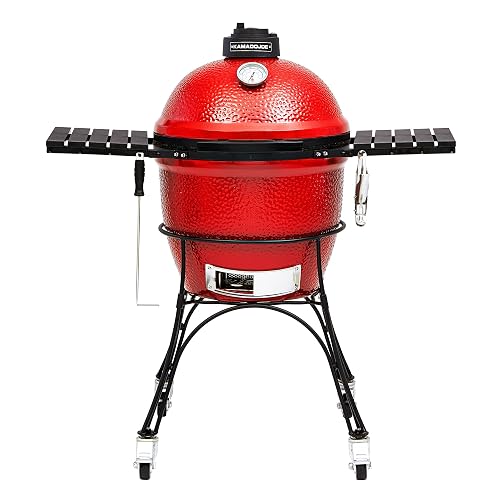
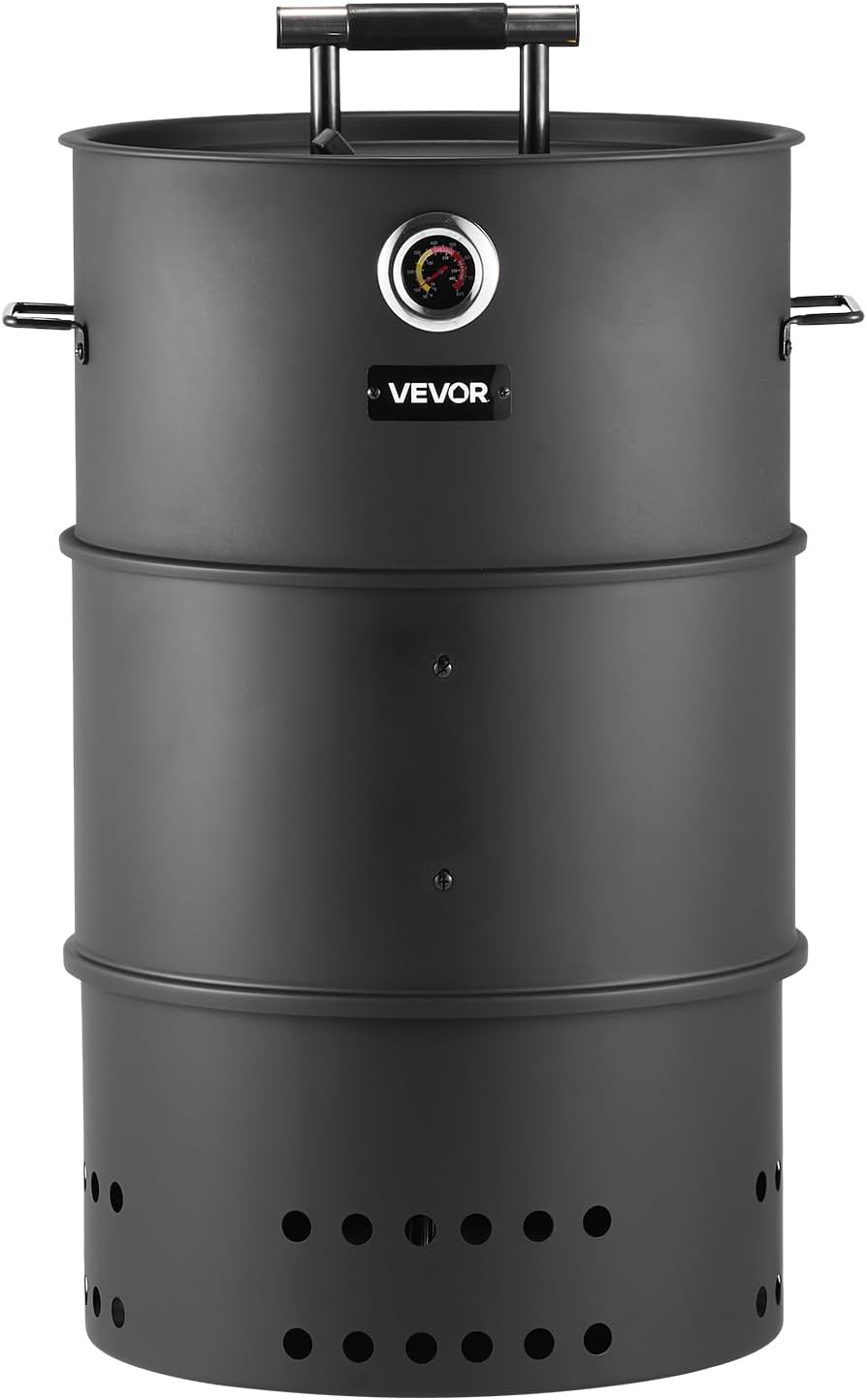
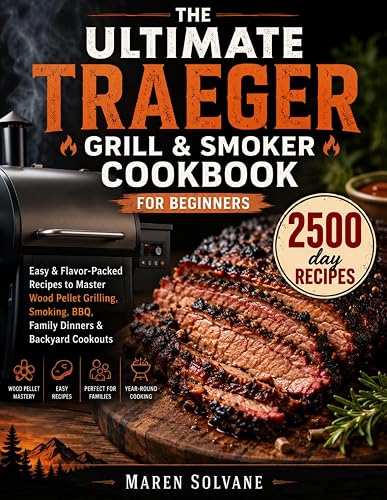
Shopping for one? See our guide: 6 Best Mac and Cheese Recipe Smoker Cookbooks for Smoky Results (2026).
In a saucepan, melt the butter over medium heat, whisk in the flour, and cook for 1 minute. Slowly pour in the warm milk and cream, whisking constantly, and simmer until thickened, about 4 minutes. Remove from heat and stir in the mustard and paprika. Add the cheese a handful at a time until smooth. Using cheese straight from a block, rather than pre-shredded bags coated in anti-caking agents, gives a silkier sauce.
Smoking the Mac and Cheese
Set Up the Smoker
Preheat your smoker to 225 to 250°F using a mild wood such as apple, cherry, or pecan. Hickory and mesquite can overpower the cheese, so use them sparingly if at all. Let the smoker run for 15 minutes before loading so the wood starts producing clean, thin smoke.
Combine and Smoke
Fold the drained pasta into the cheese sauce and pour it into a buttered pan. Sprinkle a thin layer of cheddar over the top for a crust. Place the pan on the grate away from the firebox or heat source, and smoke uncovered for 45 to 60 minutes. The mac is done when the edges bubble, the top is golden, and an instant-read thermometer inserted in the center reads about 165°F.
Common Mistakes to Avoid
- Running the smoker too hot. Above 300°F the sauce can break and turn greasy. Keep it low and slow.
- Overcooking the pasta. Soft pasta turns to paste during the smoke. Pull it early.
- Using too much smoke wood. Heavy smoke makes cheese taste bitter. A small chunk or two of mild wood is enough.
- Skipping the flour roux. Without it, the sauce can separate under heat.
- Cutting in too early. Let it rest 10 minutes so the sauce firms up for clean serving.
Recommended Gear
A reliable leave-in probe thermometer makes it easy to track the internal temperature without opening the smoker, which keeps heat steady. View on Amazon
A disposable aluminum roasting pan with a lid helps you transport the finished dish to a cookout and reheat it without scrubbing a dish afterward. View on Amazon
FAQ
Can I use a pellet smoker for mac and cheese?
Yes. Pellet smokers hold steady low temperatures well, which suits this dish. Set the grill to 225 to 250°F and follow the same timing.
Do I need to cover the pan while smoking?
No. Leave it uncovered so the top can brown and develop a crust. Cover only if the top darkens before the center is hot.
Can I make smoked mac and cheese ahead of time?
Yes. Assemble the dish, refrigerate it for up to 24 hours, then smoke it straight from the fridge, adding about 10 minutes to the cook time.
Conclusion
A smoked mac and cheese recipe in a smoker is a straightforward upgrade to a classic side. Build a stable cheese sauce, keep the smoker low, and pull the dish once the top is golden and bubbling. Use a mild wood and rest the dish before serving for the best texture.
Related reading
- Smoked Whole Chicken Recipes Smoker: 4 Methods for Juicy Results
- Smoked Turkey Breast Recipe Smoker: 6 Steps to Juicy, Crispy-Skin Results
- Smoked Ham Recipes in Smoker: A Step-by-Step Guide for Juicy Results
- Smoked Brisket Recipes Smoker Guide: 6 Steps to Juicy Results
- Turkey Brine Recipe for Smoker: A Step-by-Step Guide to Juicy Results
- Smoked Sausage on the Smoker: A Step-by-Step Guide for Juicy Results
Ready to choose one?
About Ethan Brooks
Ethan Brooks is part of our editorial team and reviews and edits our BBQ & grilling guides, checking product details against manufacturer specifications and owner feedback.