
 By Claire Whitaker
Updated November 2026
Choosing a smoked BBQ ribs dry rub comes down to three things: how sweet you want the bark, how much smoke flavor the blend already carries, and whether you plan to cook spareribs, baby backs or pork shoulder. The five rubs below were chosen by comparing published ingredient lists, brand reputation among backyard and competition cooks, and the patterns owners tend to mention in reviews, including whether a rub burns easily, how salty it runs and how well it holds up on a long low-and-slow cook. We have not cooked with these products ourselves, so treat the notes as research-based guidance rather than hands-on results.
Best overall: Amazon Grocery Smoked BBQ Rub – View on Amazon
Best for competition-style bark: Heath Riles BBQ Rub – View on Amazon
Best for sweet ribs: Weber Smoky Brown Sugar Dry Rub – View on Amazon
Best budget pick: McCormick Grill Mates Applewood Rub – View on Amazon
Best for Kansas City-style ribs: Weber KC BBQ Dry Rub – View on Amazon
Our Top Picks
Quick Comparison
| Product | Best for | Key feature |
|---|---|---|
| Amazon Grocery Smoked BBQ Rub & Seasoning, 25 Oz | Everyday smoked ribs | Large 25 oz size |
| Heath Riles BBQ Rub, 8 oz | Bark-focused competition-style ribs | Championship-style blend |
| Weber Smoky Brown Sugar Dry Rub, 12 oz | Sweet, caramelized ribs | Brown sugar base |
| McCormick Grill Mates Applewood Rub, 10 oz | Budget-friendly smoke flavor | Applewood smoke profile |
| Weber KC BBQ Dry Rub, 14.5 oz | Kansas City-style ribs | Sweet-and-savory KC profile |
Amazon Grocery Smoked BBQ Rub & Seasoning, 25 Oz
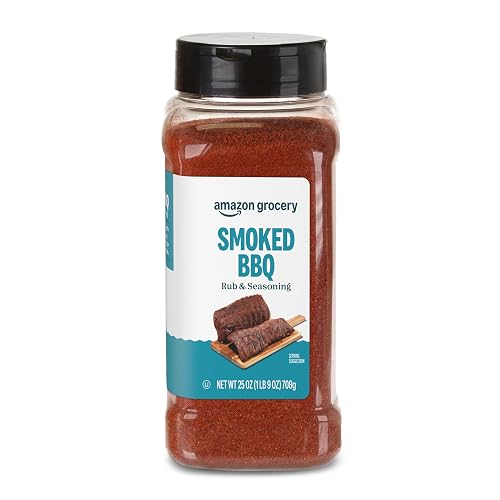
Amazon Grocery, Smoked BBQ Rub & Seasoning, 25 Oz
Best for: Everyday smoked ribs and large batches
This is a good fit for cooks who smoke ribs regularly and want a generous container on hand. The large size makes it practical for feeding a crowd or seasoning multiple racks plus pork shoulder.
Key specs
- Size: 25 oz
- Format: dry rub seasoning, intended for smoking
- Brand: Amazon Grocery
Pros
- Large container suits frequent cooks
- Smoke-forward profile fits traditional smoked ribs
- Straightforward option for a reliable everyday rub
Cons
- Less distinctive than competition-branded blends
- Sugar and salt levels should be checked against your taste before heavy use
Bottom line: A sensible pick for cooks who want a big bag of smoky seasoning for regular rib sessions.
BBQ Rub Seasoning for Smoking & Grilling – Heath Riles BBQ Rub, 8 oz

BBQ Rub Seasoning for Smoking & Grilling – Dry Rub for Ribs, Pork, Brisket & Chicken, 80+ BBQ Championships, 8 oz Heath Riles BBQ Rub – Honey BBQ Seasoning – Championship Recipe
Best for: Bark-focused competition-style ribs
This suits cooks who want a rub built around the championship-circuit style of seasoning, with a balance meant to build bark during a long smoke. It is also a good option for pork, brisket and chicken, based on how the listing describes its uses.
Key specs
- Size: 8 oz
- Use: smoking and grilling; ribs, pork, brisket and chicken
- Style: honey BBQ seasoning, championship recipe
Pros
- Designed with competition-style bark in mind
- Versatile across several proteins
- Honey-based sweetness rounds out smoky flavors
Cons
- Smaller 8 oz size can run out quickly on frequent cooks
- Honey-sweet blends can darken fast over high heat
Bottom line: Best for cooks who want a championship-inspired bark and are willing to watch sugar on the grill.
Weber Smoky Brown Sugar Dry Rub, 12 oz

Weber Smoky Brown Sugar Dry Rub, 12 oz
Best for: Sweet, caramelized ribs
Cooks who prefer a sweeter finish on baby backs or spareribs will likely appreciate the brown sugar base. The smoky element keeps it from tasting one-note.
Key specs
- Size: 12 oz
- Flavor: smoky brown sugar
- Brand: Weber
Pros
- Brown sugar base encourages caramelized bark
- Smoky notes add depth beyond plain sweetness
- Widely available from a major grill brand
Cons
- Sugar can scorch on direct high heat
- Not ideal for those who want a savory, low-sugar rub
Bottom line: A strong choice for sweet-leaning rib lovers who cook low and slow.
McCormick Grill Mates Applewood Rub, 10 oz

McCormick Grill Mates Applewood Rub, 10 oz
Best for: Budget-friendly smoke flavor
This is a practical pick for cooks who want noticeable applewood smoke flavor without spending much. It works well for weeknight ribs or as a starting point you can adjust.
Key specs
- Size: 10 oz
- Flavor: applewood smoke
- Brand: McCormick Grill Mates
Pros
- Applewood profile adds a clear smoky note
- Easy to find and simple to use
- Good entry point for beginners
Cons
- Less complex than competition blends
- Salt content may be high for some cooks, so check your taste
Bottom line: Ideal for budget-minded cooks who want a dependable smoky rub for everyday ribs.
Weber KC BBQ Dry Rub, 14.5 oz

Weber KC BBQ Dry Rub, 14.5 oz
Best for: Kansas City-style ribs
This rub is aimed at cooks who want the sweet-and-savory profile associated with Kansas City barbecue. Owners often pair it with a finishing sauce, which suits that style.
Key specs
- Size: 14.5 oz
- Style: Kansas City BBQ dry rub
- Brand: Weber
Pros
- Clear regional style for authentic KC-style ribs
- Larger 14.5 oz size than the brown sugar version
- Balanced sweet and savory notes
Cons
- Sweetness may be too much for those who prefer dry, savory ribs
- Sugar-based rubs need attention to avoid burnt edges
Bottom line: The right choice for anyone aiming for Kansas City-style ribs at home.
Buying Guide
Sugar Content and Bark Formation
Sugar in a rub caramelizes and helps form bark, but it also burns. Rubs with brown sugar or honey usually need lower smoker temperatures or a late sauce application. If you cook at 250 to 275°F for several hours, a sugared rub is manageable. Above 300°F, watch closely.
Good picks for this: Weber Smoky Brown Sugar Dry Rub, Heath Riles BBQ Rub
Salt Level
Check the sodium or salt content on the label, especially if you plan to brine or cook ribs for long periods. Many rubs are salted heavily enough that you may want to reduce the amount you apply.
Good picks for this: Amazon Grocery Smoked BBQ Rub, McCormick Grill Mates Applewood Rub
Smoke Profile
Some rubs include smoked paprika or wood-derived flavors, while others rely on your smoker for smoke. If you cook on a mild smoker or want a noticeable smoke note on oven or grill ribs, choose a rub with an applewood or smoky base.
Good picks for this: McCormick Grill Mates Applewood Rub, Weber Smoky Brown Sugar Dry Rub
Regional Style
Memphis, St. Louis, Kansas City and Texas styles each lean on different sugar, spice and salt balances. Matching the rub to the style you want keeps the flavor on target.
Good picks for this: Weber KC BBQ Dry Rub, Heath Riles BBQ Rub
Container Size and Frequency of Use
A 25 oz container suits frequent smokers and large batches. An 8 oz container is better for trying a rub before buying in bulk. Estimate how many racks you cook per month before choosing.
Good picks for this: Amazon Grocery Smoked BBQ Rub, Heath Riles BBQ Rub
Versatility Across Proteins
If you also season pork shoulder, brisket or chicken, a multi-purpose rub saves storage space. Check whether the manufacturer lists those uses, as several of these blends do.
Good picks for this: Heath Riles BBQ Rub, Amazon Grocery Smoked BBQ Rub
Storage and Freshness
Dry rubs lose aroma over time. Store them in a sealed container away from heat and light, and use within the period the packaging suggests for best flavor. Clumping can signal moisture exposure.
Good picks for this: Weber KC BBQ Dry Rub, McCormick Grill Mates Applewood Rub
FAQ
How much dry rub do I need for a rack of ribs?
A common starting point is roughly 2 to 3 tablespoons per rack of spareribs or baby backs, adjusted for rack size. Coat evenly on both sides and let the ribs rest with the rub for at least 30 minutes, or refrigerate overnight for deeper flavor.
Should I put rub on ribs before or after smoking?
Apply the rub before smoking. The seasoning needs time to adhere and form bark. Add sauce, if you use it, during the last 15 to 30 minutes so sugars do not burn.
Why did my rub burn on the ribs?
Sugar-heavy rubs can scorch at high temperatures. Lower your smoker or grill temperature, shield the ribs with foil during the final stage, or reduce the sugar you apply.
Can I use the same rub on spareribs and baby back ribs?
Yes, but adjust cook times. Spareribs typically need longer and benefit from more rub on the meaty side, while baby backs cook faster and can be more delicate.
Do I need to remove the membrane before applying rub?
Removing the silverskin on the bone side helps the rub penetrate and makes the ribs easier to eat. Pull it off with a paper towel for grip.
How long does a dry rub stay fresh?
Most dry rubs keep their best flavor for several months to a year when stored sealed and dry. Check the packaging for the manufacturer’s suggested use-by guidance.
Conclusion
For a balanced all-purpose smoked BBQ ribs dry rub, the Amazon Grocery option offers size and a classic smoke profile. Cooks chasing competition-style bark should look at the Heath Riles blend. If you prefer sweeter ribs, the Weber brown sugar rub is the natural fit, while the Weber KC rub suits Kansas City-style cooking. The McCormick Applewood rub makes sense when budget and easy smoke flavor matter most. Match the rub to your sugar tolerance and cooking temperature, and you will get the best results.
Sources
- Food safety guidance on cooking pork and other meats to safe internal temperatures (usda.gov)
- Information on food labeling, sodium content and ingredient disclosure (fda.gov)
- Research-based cooking and food preservation guidance from university extension networks (extension.org)
Before you buy: helpful guides
Related reading
- Kansas City Bbq Dry Rub Recipe: A Step-by-Step Guide for Smoky, Sweet Ribs
- Dry Rub BBQ Beef Ribs: A Step-by-Step Guide to Bold, Juicy Results
About Claire Whitaker
Claire Whitaker is part of our editorial team and reviews and edits our BBQ & grilling guides, checking product details against manufacturer specifications and owner feedback.


