 By Ethan Brooks
Updated November 2026
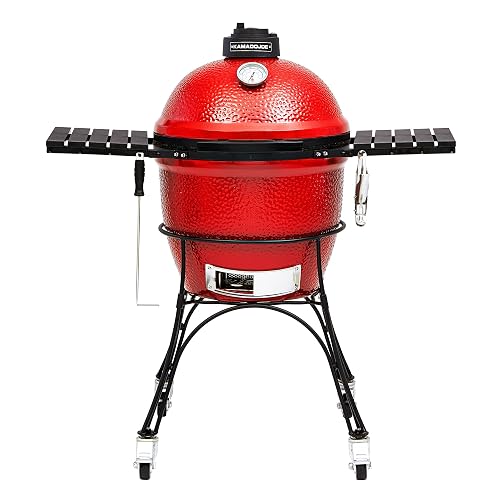
A pork chop on smoker can turn out juicy, smoky, and tender if you handle three things well: thickness, internal temperature, and a short sear at the end. This guide walks you through setting up your smoker, seasoning and resting the chops, and pulling them at the right point so you avoid dry meat. Plan on about an hour and a half from fire to plate for thick-cut chops.
Choose the Right Chops and Prep Them
Look for bone-in or boneless chops at least 1.5 inches thick. Thin chops dry out long before they pick up smoke flavor. Pat them dry, then season with a salt-forward rub or a simple brine. A wet brine of 1/4 cup kosher salt and 2 tablespoons sugar per quart of water, held for 1 to 2 hours in the fridge, adds moisture that helps the meat stay juicy.
Shopping for one? See our guide: 7 Best Pork Shoulder Pellet Smoker Picks for Pulled Pork (2026).
Set Your Smoker to 225 to 250 Degrees
Run your smoker at 225 to 250°F with a mild wood such as apple, cherry, or pecan. Heavy mesquite can turn pork bitter over a long cook. Let the smoker come fully up to temperature before the chops go on, and keep the lid closed as much as possible.
Smoking Steps
- Apply your rub or let the brined chops drain and dry on a rack for 20 minutes.
- Place chops on the grate with at least an inch between them for even airflow.
- Smoke until the internal temperature reaches 140 to 145°F, usually 60 to 90 minutes depending on thickness.
- Pull the chops and rest them for 5 minutes, or raise the heat for a sear (see below).
Finish With a Sear or Reverse Sear
Pork chops benefit from a quick sear for color and crust. Crank a grill or cast iron pan to high heat and cook 60 to 90 seconds per side. If you want a crust without extra equipment, raise the smoker to 400°F for the last 5 to 10 minutes. Brush on a little butter or sauce during the sear if you like a glazed finish.
Know When Your Pork Chops Are Done
Use an instant-read or leave-in probe thermometer. The USDA lists 145°F as the safe minimum for whole cuts of pork, with a 3-minute rest. Many cooks pull chops around 140°F and let carryover heat bring them up. Chops pulled much above 150°F tend to be dry, even when they are safe to eat.
| Chop thickness | Approx. smoke time at 235°F | Pull temperature |
|---|---|---|
| 1 inch | 45 to 60 minutes | 140°F |
| 1.5 inches | 60 to 75 minutes | 140°F |
| 2 inches | 75 to 90 minutes | 140°F |
Common Mistakes
- Cooking chops that are too thin. Stick to 1.5 inches or thicker when smoking.
- Running the smoker too hot. Temperatures above 275°F can dry out lean pork quickly.
- Skipping the rest. Resting keeps juices in the meat when you cut.
- Relying on time alone. Thickness and starting temperature change the cook time.
- Overusing strong wood. Milder woods keep pork flavor balanced.
Recommended Gear
- Leave-in probe thermometer: Lets you track chop temperature without opening the lid. View on Amazon
- Cast iron skillet: Gives a hard sear after the smoke without moving to another grill. View on Amazon
- Wood chunks for smoking: Apple and cherry add mild sweetness that suits pork. View on Amazon
If you want more background on cuts and rubs, see Pork Loin Chops Smoker: A Step-by-Step Guide to Juicy Results and 8 Best Rubs for BBQ Pork Chops of 2026: Picks Compared. For a comparison of seasoning options, 7 Best Dry Rubs for BBQ Pork Chops Compared (2026) covers flavor profiles in detail.
FAQ
What temperature should pork chops be smoked at?
Smoke pork chops at 225 to 250°F for even cooking and good smoke flavor. Higher heat works but leaves less margin before the meat dries out.
How long does it take to smoke a pork chop?
Most 1.5-inch chops take 60 to 75 minutes at 235°F. Always go by internal temperature rather than the clock.
Should I brine pork chops before smoking them?
A brine of 1 to 2 hours helps lean chops hold moisture. It is optional, but it makes a noticeable difference on thinner cuts.
Conclusion
A pork chop on smoker is easy once you control thickness, temperature, and the final pull. Smoke at 225 to 250°F, stop at about 140°F, and finish with a quick sear for color. Check your thermometer readings and adjust for your own smoker.
Ready to choose one?
About Ethan Brooks
Ethan Brooks is part of our editorial team and reviews and edits our BBQ & grilling guides, checking product details against manufacturer specifications and owner feedback.