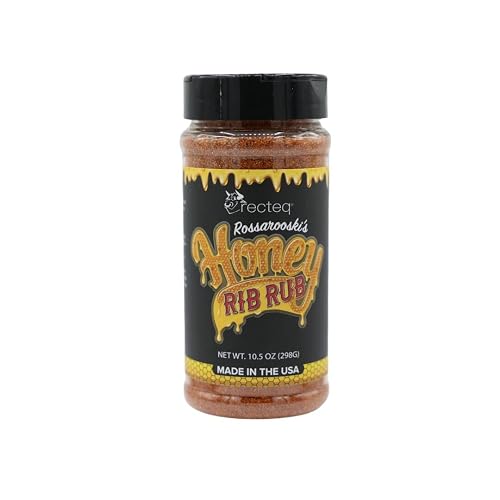
By Claire Whitaker
Updated November 2026
Finding the best dry rub for BBQ beef ribs comes down to matching the seasoning to a cut that is bigger, fattier and more robust than pork. Beef plate ribs and short ribs need a rub that builds a thick, dark bark over a long cook, holds up to hours of smoke, and still tastes like seasoning rather than salt. The picks below were chosen by comparing manufacturer specifications, brand reputation within barbecue circles, and the patterns owners tend to mention in feedback: bark quality, salt balance, sweetness and heat. Nothing here reflects personal testing, so treat the list as a research-based starting point and adjust to your own smoker and palate.
Our top picks at a glance
- 1
 TOP CHOICEBest overallWeber KC BBQ Dry Rub, 14.5 ozView on Amazon
- 2
 TOP CHOICEBest for Kansas City-style ribsJack Stack Barbecue All Purpose Dry Rub SeasoningView on Amazon
- 3
 TOP CHOICEBest for a bold, peppery barkTexas-Made Classic Coarse Rub with Activated CharcoalView on Amazon
- 4
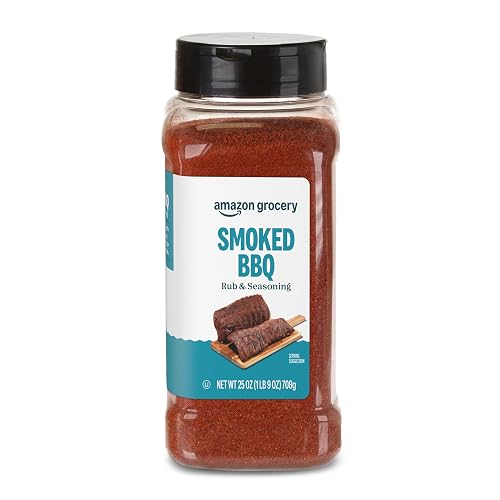 Best budget pickAmazon Grocery Smoked BBQ Rub & Seasoning, 25 OzView on Amazon
- 5
 Best for competition-style flavorHeath Riles BBQ Rub for Smoking & Grilling, 8 ozView on Amazon
- 6
 Best for a mild, everyday rubMcCormick Grill Mates Applewood Rub, 10 ozView on Amazon
- 7
 Best for Memphis-style sweet heatLawry's Memphis Style Barbecue Rub, 25 ozView on Amazon
Our Top Picks
The table below summarizes the seven rubs. The product sections that follow explain who each one suits and where it may fall short for beef.
| Product | Best for | Key feature |
|---|---|---|
| Weber KC BBQ Dry Rub, 14.5 oz | Balanced all-day beef ribs | Sweet-savory Kansas City profile |
| Jack Stack Barbecue All Purpose Dry Rub Seasoning | Kansas City-style ribs | Classic sugar-forward bark |
| Texas-Made Classic Coarse Rub with Activated Charcoal | Peppery, dark bark | Coarse grind, no MSG |
| Amazon Grocery Smoked BBQ Rub & Seasoning, 25 Oz | Budget-friendly bulk use | Large-format smoky rub |
| Heath Riles BBQ Rub for Smoking & Grilling, 8 oz | Competition-style flavor | Championship-inspired blend |
| McCormick Grill Mates Applewood Rub, 10 oz | Mild, everyday beef seasoning | Applewood smoke flavor |
| Lawry’s Memphis Style Barbecue Rub, 25 oz | Memphis-style sweet heat | Large container, sweet-spiced profile |
Weber KC BBQ Dry Rub, 14.5 oz
Weber KC BBQ Dry Rub, 14.5 oz
Best for: Balanced, all-day beef ribs with a sweet-savory bark
This suits cooks who want a crowd-pleasing rub that works on beef plate ribs without overwhelming the meat. It is built around the Kansas City flavor profile, so expect brown sugar and paprika notes alongside salt and pepper.
Key specs
- Size: 14.5 oz container
- Style: Kansas City-style dry rub
- Application: Ribs, brisket, chicken and pork
Pros
- Sweet and savory balance that holds up over long cooks
- Recognizable brand with wide availability
- Generous container for multiple cooks
Cons
- Sugar can burn if the smoker runs hot
- Some owners find it mild for very bold beef
Bottom line: A safe, versatile choice for cooks who want a sweet-savory bark on beef ribs without fuss.
Jack Stack Barbecue All Purpose Dry Rub Seasoning
Jack Stack Barbecue All Purpose Dry Rub Seasoning – Kansas City Spice Single Pack – for Chicken, Beef, Ribs, Vegetables, Seafood, and More (7oz Each)
Best for: Kansas City-style ribs and a classic sugary bark
Cooks who want a traditional Kansas City barbecue flavor will find this rub fits the style. It is labeled as an all-purpose seasoning, so it also works on chicken, vegetables and seafood.
Key specs
- Size: 7 oz single pack
- Style: Kansas City spice blend
- Application: Beef, chicken, ribs, vegetables and seafood
Pros
- Authentic Kansas City profile tied to a well-known restaurant brand
- Labeled for beef, which fits plate and short ribs
- Easy to apply evenly to large racks
Cons
- The 7 oz size may run short for big batches
- Sweetness can char quickly on high-heat grills
Bottom line: Best for cooks who specifically want a Kansas City-style sugar bark on beef ribs.
Texas-Made Classic Coarse Rub with Activated Charcoal
Hardcore CarnivoreTexas-Made Classic Coarse Rub with Activated Charcoal – Blend for Steak, Brisket, Burgers, BBQ, Grilling and Smoking MSG Free Black | All-Purpose Beef Seasoning Rub, 13oz Shaker
Best for: A peppery, dark bark with minimal sugar
This rub targets cooks who prefer a Texas-style approach to beef: coarse pepper and salt rather than sweetness. The activated charcoal is included in the name as a coloring element, so it is a dark, dramatic-looking crust.
Key specs
- Size: 13 oz shaker
- Style: Coarse, all-purpose beef rub
- Labeling: MSG free
Pros
- Coarse texture helps build a thick, textured bark
- Low sugar makes it less prone to scorching
- Marketed specifically for steak, brisket and beef
Cons
- Coarse grind may not adhere as well to slick surfaces without a binder
- Heat-forward profile can be too intense for mild palates
Bottom line: A strong pick for cooks who want a Texas-style pepper crust on beef ribs.
Amazon Grocery Smoked BBQ Rub & Seasoning, 25 Oz
Amazon Grocery, Smoked BBQ Rub & Seasoning, 25 Oz
Best for: Budget-friendly bulk seasoning for frequent smokers
Cooks who go through a lot of rub and want a generous container at a budget-friendly level will find this useful. It is a general smoky profile rather than a competition blend, so it works as a reliable everyday option.
Key specs
- Size: 25 oz container
- Style: Smoky BBQ rub and seasoning
Pros
- Large size lowers the cost per use for heavy smokers
- Smoky profile pairs well with beef fat
- Simple, familiar flavor for beginners
Cons
- Less complex than specialty regional blends
- Ingredient detail varies, so check the label if you have dietary needs
Bottom line: A practical budget pick for cooks who want a dependable smoky rub in bulk.
Heath Riles BBQ Rub for Smoking & Grilling, 8 oz
BBQ Rub Seasoning for Smoking & Grilling – Dry Rub for Ribs, Pork, Brisket & Chicken, 80+ BBQ Championships, 8 oz Heath Riles BBQ Rub – Honey BBQ Seasoning – Championship Recipe
Best for: Competition-style flavor with a honey-sweet finish
Competition barbecue fans often look for rubs with layered sweetness and balanced heat. This blend is positioned as championship-inspired, and it is marketed for ribs, pork, brisket and chicken, making it a good match for beef ribs that you want to finish with a glossy bark.
Key specs
- Size: 8 oz
- Style: Honey BBQ competition rub
- Application: Ribs, pork, brisket and chicken
Pros
- Layered, competition-inspired flavor profile
- Honey-sweet finish helps create a glossy bark
- Versatile across several meats
Cons
- Smaller container may get expensive for heavy use
- Honey sugars can scorch on long, hot cooks
Bottom line: Ideal for cooks who want a competition-style sweet profile on beef ribs.
McCormick Grill Mates Applewood Rub, 10 oz
McCormick Grill Mates Applewood Rub, 10 oz
Best for: Mild, everyday beef seasoning with a smoky accent
This rub suits beginners or anyone who wants a restrained seasoning that lets the beef flavor lead. The applewood name signals a smoked accent without heavy sugar, which keeps the bark from burning on a backyard grill.
Key specs
- Size: 10 oz
- Style: Applewood-flavored grill rub
Pros
- Mild profile is forgiving for first-time rib cooks
- Applewood accent complements beef
- Widely available from a long-established spice brand
Cons
- Not bold enough for cooks who want a heavy crust
- Smaller container for frequent use
Bottom line: A good everyday option for mild beef ribs and beginners.
Lawry’s Memphis Style Barbecue Rub, 25 oz
Lawry's Memphis Style Barbecue Rub, 25 oz – One 25 Ounce Container of Memphis Dry Rub, Perfect for BBQ Rub Wings, Ribs, Brisket and More
Best for: Memphis-style sweet heat in a large container
Memphis-style rubs lean on sugar, paprika and a touch of heat, and this one follows that template. The 25 oz size makes it practical for cooks who smoke often and want to season large batches of beef ribs.
Key specs
- Size: 25 oz container
- Style: Memphis-style barbecue rub
Pros
- Large container suits frequent cooks
- Sweet-spiced profile builds color on beef
- Recognized regional style with a known brand
Cons
- Sugar content increases the risk of scorching
- Memphis profile may not suit those who prefer Texas-style pepper
Bottom line: Best for cooks who want a sweet, Memphis-style rub for big batches of beef ribs.
Buying Guide
Choosing the best dry rub for BBQ beef ribs depends on a few measurable factors. Beef plate ribs can run several pounds per rack, and they often cook for five to eight hours at 225 to 250 degrees Fahrenheit, so the rub must survive long exposure without turning bitter.
Sugar content and scorch risk
Brown sugar, honey and molasses create color and caramelization, but they also burn above roughly 300 degrees Fahrenheit. If you cook low and slow, a moderate sugar level is manageable. If you grill hot or finish over direct flame, choose a lower-sugar rub or add sugar later.
Good picks for this: Texas-Made Classic Coarse Rub with Activated Charcoal, McCormick Grill Mates Applewood Rub, 10 oz
Grind size and bark formation
Coarser grinds stick to the meat and create a thicker, more textured bark. Fine powders dissolve into the surface and produce a smoother crust. For beef ribs, many pitmasters prefer a coarse or medium grind because the bark needs to be substantial enough to stand up to the richer, fattier meat.
Good picks for this: Texas-Made Classic Coarse Rub with Activated Charcoal, Heath Riles BBQ Rub for Smoking & Grilling, 8 oz
Salt level and seasoning balance
Salt draws moisture to the surface and helps form the bark, but too much turns a rack into a salt block. Look for rubs that list salt reasonably low in the ingredient order, and remember that beef generally needs more seasoning than pork because of its thickness. Season the meat generously but evenly, and avoid stacking salt-heavy sauces on top.
Good picks for this: Weber KC BBQ Dry Rub, 14.5 oz, Jack Stack Barbecue All Purpose Dry Rub Seasoning
Regional flavor profile
Kansas City rubs lean sweet and smoky, Memphis rubs add paprika and heat, and Texas-style rubs are pepper-forward with little sugar. Your choice should match the flavor you want on the finished bark and the sauce, if any, that you plan to serve.
Good picks for this: Jack Stack Barbecue All Purpose Dry Rub Seasoning, Lawry’s Memphis Style Barbecue Rub, 25 oz
Container size and value per cook
A standard brisket or rib cook can use roughly a quarter to a half cup of rub per full rack, depending on coating thickness. Estimate how many racks you cook per season before choosing a size. Larger containers suit frequent smokers, while smaller jars make sense for trying a new profile.
Good picks for this: Amazon Grocery Smoked BBQ Rub & Seasoning, 25 Oz, Lawry’s Memphis Style Barbecue Rub, 25 oz
Heat level
Cayenne, chili powder and black pepper add heat that builds during the cook. Beef tolerates bold seasoning well, but cooks who serve mixed groups may want a mild rub with heat added at the table. Check whether the label states heat level or relies on pepper alone.
Good picks for this: Texas-Made Classic Coarse Rub with Activated Charcoal, Heath Riles BBQ Rub for Smoking & Grilling, 8 oz
Ingredient transparency and dietary needs
Some rubs list MSG, anti-caking agents or added starches, and labels vary. If you avoid specific ingredients, read the full ingredient list rather than relying on front-of-pack claims. Manufacturers specify ingredients on the packaging, and that is the most reliable place to check.
Good picks for this: Texas-Made Classic Coarse Rub with Activated Charcoal, Weber KC BBQ Dry Rub, 14.5 oz
FAQ
How much dry rub do I need for a rack of beef ribs?
A common starting point is about a quarter cup of rub per full rack of beef plate ribs, applied in a thin, even layer and then pressed into the surface. Heavier coatings produce more bark, but excess can clump and turn salty. Adjust based on how thick the meat is and how much bark you want.
Should I apply the rub the night before?
Many pitmasters rub beef ribs 4 to 12 hours before cooking, or overnight in the refrigerator. This gives salt time to penetrate and season the meat more deeply. Keep the ribs covered and refrigerated during this time, and bring them out briefly before the smoker to take the chill off.
Do I need a binder under the rub?
A binder such as yellow mustard, olive oil or hot sauce helps the rub adhere and can encourage a more even bark. Many cooks use no binder at all and rely on the meat’s natural moisture. Mustard flavor cooks off during a long smoke, so the taste is subtle. Either approach works if you apply the rub evenly.
Why does my beef rib bark turn bitter?
Bitterness usually comes from burned sugar, scorched spices or smoke that is too heavy during the late stages of the cook. Lower the smoker temperature, reduce sugar in the rub, or wrap the ribs in butcher paper once the bark is set. If you are unsure how to manage smoker temperatures safely, consult a qualified barbecue instructor or your smoker manufacturer’s guidance.
Can I use the same rub on brisket and pork ribs?
Yes, many rubs are labeled for brisket, pork and beef. Expect slightly different results: beef tends to take more seasoning and a longer cook than pork ribs, so you may need to apply a little extra rub on beef. Adjust salt and sugar based on how long you plan to smoke.
How long should I cook beef ribs after applying the rub?
Beef plate ribs commonly take five to eight hours at 225 to 250 degrees Fahrenheit, depending on rack size and fat content. Many cooks aim for an internal temperature around 200 to 203 degrees Fahrenheit, but tenderness is the better test. Probe for give rather than relying on a single number.
Is a dry rub enough without sauce?
Yes. A well-built bark from a dry rub can carry the ribs on its own, and many competition cooks serve beef without sauce. Sauce is a matter of preference, and a thin mop or finishing glaze can be added late in the cook if you want extra moisture or sweetness.
Where should I store opened dry rub?
Keep rubs in a sealed container away from heat, light and moisture. Humidity causes clumping and can reduce aroma over time. Most manufacturers recommend storing spices in a cool, dry cabinet, and you should check the packaging for any specific date guidance.
Conclusion
For most cooks, the Weber KC BBQ Dry Rub is the most balanced starting point, offering a sweet-savory bark that works across a long beef cook. Cooks who want a classic Kansas City flavor should look at the Jack Stack rub, while those who prefer a peppery, dark crust will find the Texas-Made coarse rub a better fit. The Amazon Grocery rub suits budget-minded smokers who go through a lot of seasoning, and the Heath Riles blend is worth considering for competition-style sweetness. For mild, beginner-friendly beef, the McCormick Applewood rub is a sensible choice, and the Lawry’s Memphis rub makes sense for sweet-heat fans who cook in bulk. Pick based on the bark you want, the sugar level your cooking method can handle, and how often you plan to cook.
Before you buy: helpful guides
Related reading
- 8 Best Dry BBQ Rubs for Ribs of 2026
- 7 Best St Louis BBQ Dry Rub Picks for Ribs and Pork (2026)
- 7 Best Memphis BBQ Dry Rub Picks for Ribs and Pork (2026)
- 7 Best BBQ Rubs for Beef Ribs Picks Compared (2026)
About Claire Whitaker
Claire Whitaker is part of our editorial team and reviews and edits our BBQ & grilling guides, checking product details against manufacturer specifications and owner feedback.