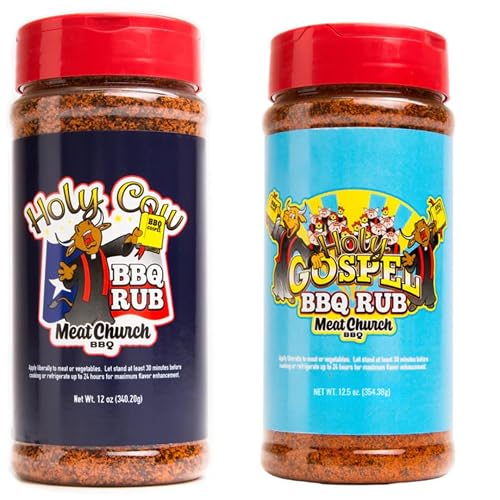
A hail mary BBQ rub is a dry seasoning blend, usually built around a balance of sweet, savory and smoky notes, that goes on meat before it hits the grill or smoker. The name is a football reference, a last-ditch throw, and many cooks use it for a bold, all-purpose rub that works on almost anything. Think of it as a crowd-pleaser rather than a regional style.
What does “Hail Mary” mean on a BBQ rub label?
The name is a sports metaphor. A hail Mary pass is a long, desperate throw in the final seconds of a game, and rub makers borrow that energy to suggest a bold, high-impact flavor. There is no single official recipe behind the name. Each brand builds its own blend, so two bottles labeled hail mary bbq rub can taste quite different.
Shopping for one? See our guide: 5 Best BBQ Chicken Rub Smoker Picks for Juicy Results 2026.
Because the name doesn’t describe a fixed flavor profile, you should read the ingredient list and the flavor notes on the package before you buy. Manufacturers usually list the base ingredients in order of weight, and that tells you more than the marketing copy does.
Why do cooks reach for a hail mary style rub?
Most people who buy a rub like this want something versatile. A blend with a moderate amount of sugar, a good dose of paprika or chili powder, garlic, onion and black pepper tends to perform well across pork, chicken and beef. Owners often report using the same bottle on ribs one weekend and wings the next.
The sugar content matters more than people expect. Brown sugar and other sugars caramelize over indirect heat, which gives you a dark, lacquered bark. If the rub is heavy on sugar and you cook over high direct heat, the surface can burn before the meat finishes. That is the most common complaint with sweet rubs, and it is easy to manage with temperature control.
Factors that change how a hail mary BBQ rub performs
Sugar and heat
Sugar-based rubs need lower, steadier temperatures. Many pitmasters cook sweet rubs at 225 to 275°F in a smoker and wrap or spritz if the bark gets too dark. For fast grilling over direct flame, lighten up on the application or move the meat to a cooler zone once the surface sets.
Salt level
Salt in a rub draws moisture to the surface and helps the seasoning penetrate. Apply a rub too early and salt can pull out too much liquid, but applying it shortly before cooking gives you a dry surface that browns well. A common approach is to season the meat at least 30 minutes ahead, or overnight for larger cuts like pork shoulder and brisket.
Meat type and thickness
Thin chicken pieces take less rub and cook quickly, so a sugar-heavy blend can scorch before the skin renders. Thicker cuts such as ribs and brisket have more time to absorb seasoning and form bark, which suits a sweeter blend well.
Quantity applied
A common starting point is a thin, even coat that just wets the surface with spice. Heavy layers can form a gritty crust rather than a bark. You can always add more, but you cannot remove excess once it has cooked on.
What to do: practical steps for using a hail mary BBQ rub
- Pat the meat dry with paper towels so the rub adheres.
- Apply a binder such as yellow mustard or olive oil in a thin layer, if you want the rub to stick better.
- Sprinkle the rub evenly from about 12 inches above the meat to avoid clumps.
- Let the seasoned meat rest 30 minutes for thin cuts or overnight for large roasts.
- Cook at 225 to 275°F if the rub is sugar-heavy, and check the bark color every hour.
- If the surface darkens too fast, wrap the meat in butcher paper or foil.
- Pull the meat when it reaches the target internal temperature for its cut, and rest it before slicing.
Store opened rubs in an airtight container away from heat and light. Ground spices lose aroma over several months, so a fresh bottle makes a noticeable difference.
Related questions
Can I use a hail mary BBQ rub on chicken?
Yes. Chicken thighs and drumsticks handle sweet rubs well, especially with indirect heat. Keep the grill cooler than you would for ribs so the sugar doesn’t scorch the skin before the meat is cooked through. For a broader look at poultry options, see Plowboys BBQ Yardbird Rub: 10 Best Picks for Chicken and Beyond (2026).
Is a hail mary BBQ rub good for brisket?
It can be, but brisket usually calls for a salt-and-pepper-forward blend. If you do use a sweeter rub, apply it lightly and cook low. Many Texas-style cooks prefer a simpler profile, and Lane's BBQ Brisket Rub: 5 Best Options for Texas-Style Brisket (2026) covers those choices in more detail.
How do I keep a sugar-based rub from burning?
Cook at lower temperatures, keep the meat away from direct flame, and wrap in butcher paper once the bark has set and deepened. You can also reduce the amount of rub or add it in two layers, with the second applied partway through the cook.
Can I make my own version at home?
Yes. A basic homemade blend usually combines brown sugar, paprika, garlic powder, onion powder, black pepper, salt and a pinch of cayenne. The steps are covered in How to Make a Dry Rub for BBQ from Scratch.
Does a hail mary BBQ rub work for ribs?
It works well on ribs because the cut has enough fat and time to build a sticky, caramelized bark. Compare options in 8 Best Dry BBQ Rubs for Ribs Compared (2026) if you want to see how different blends stack up for that cut.