By Claire Whitaker
Updated November 2026
The big moe bbq rub is a Competition Rib rub from Big Moe Cason, sold in an 11 oz container and aimed at pitmasters and backyard cooks who want a ready-made seasoning for ribs and general grilling. It suits anyone who wants a dependable, pre-blended rub without building a spice mix from scratch, and cooks who like a sweet-savory profile on pork. It is a weaker fit for people who want a very hot, chile-forward rub, buyers who prefer to control salt and sugar levels themselves, or anyone looking for a single rub to season beef brisket as the star. The sections below cover what the product is, what its specifications suggest, the strengths and limitations owners tend to mention, and how it compares with other options.

Big Moe casonBig Moe Cason Competition rib rub flavor, BBQ seasoning for ribs and grilling, BBQ rub blend, 11 oz Competition Rib rub
Product Overview
Big Moe Cason is a name many barbecue fans associate with competition-style seasonings. The product reviewed here is listed as a Competition Rib rub flavor and a BBQ seasoning blend intended for ribs and grilling. Its listing describes it as a BBQ rub blend sold in an 11 oz container, which is a common size for a rub meant to be used regularly rather than a small sample.
A competition rib rub is typically designed to do three things at once: build a visible bark, add a balanced sweet-and-savory flavor layer, and season the meat evenly without clumping on the surface. Blends in this category usually combine salt, sugar, paprika, black pepper, garlic, onion and a moderate amount of heat, though exact formulas vary by brand and manufacturers rarely publish full ingredient ratios. Because the specific formula is not something this review can verify, the flavor observations below are framed around the general profile of competition rib rubs rather than a claimed exact recipe.
The product is positioned for ribs first, with general grilling use as a secondary application. That positioning matters: rub intended for ribs usually has enough sugar to caramelize during a long, low cook, which can be an advantage on pork and a drawback if you plan to sear quickly over high heat.
Key Features & Specifications
The following table lists only the details stated in the product name and listing. Items not clearly confirmed are left out rather than estimated.
| Specification | Detail |
|---|---|
| Brand | Big Moe Cason |
| Product type | BBQ rub / seasoning blend |
| Flavor designation | Competition Rib rub |
| Intended uses | Ribs and general grilling |
| Package size | 11 oz |
| ASIN | B07SM8KQ86 |
Because the listing does not publish a detailed ingredient breakdown, a sodium count, or a heat rating on a standard scale, buyers who track those numbers should check the label on the physical package before purchase. Manufacturers specify ingredient panels on the container, and those panels are the most reliable source for allergen, sodium and sugar information.
Pros & Cons
Pros
- Designed specifically as a competition-style rib rub, which suits low-and-slow pork cooks.
- The 11 oz size gives enough volume for several racks or multiple cooks before reordering.
- A pre-blended rub saves prep time compared with mixing a custom rub from individual spices.
- Usable beyond ribs for general grilling, including pork shoulder and chicken, according to the listing’s stated uses.
- Owners who favor a sweet-leaning, balanced profile often describe it as approachable for mixed crowds.
Cons
- Pre-blended rubs cannot be adjusted, so cooks who want more heat, less sugar or less salt will need to add their own spices.
- Sugar-based rubs can darken quickly over high direct heat, which may cause bitterness on fast cooks.
- The listing does not publish full ingredients or sodium levels in the product text, so label-conscious buyers need to check the package.
- Its positioning toward ribs means it is less specialized for beef brisket or steak than rubs designed for those cuts.
- As with most branded rubs, value depends on how often you cook; occasional grillers may find a smaller size or a DIY blend more practical.
Performance Analysis
Performance for a rub comes down to four questions: how it adheres to meat, how it forms bark, how it balances flavor and how it behaves across cooking methods. Because this review is research-based rather than drawn from hands-on testing, the analysis below relies on the product’s stated positioning and patterns commonly reported by owners of competition-style rib rubs.
Adhesion and Application
Most rib rubs work best when the meat is lightly coated with a binder such as yellow mustard, olive oil or a neutral oil, then seasoned generously. A rub with a fine-to-medium grind generally adheres better than a very coarse blend. Since the listing does not specify particle size, cooks should expect to apply it by hand and press it into the surface. Owners of rubs in this category commonly suggest applying the rub at least 30 minutes ahead of cooking, and up to overnight in the refrigerator, to let the salt and spices penetrate.
Bark Formation
Bark is where competition rubs earn their reputation. Sugar and paprika-type ingredients support color and crust during a smoke. When cooked at 225 to 250 degrees Fahrenheit for several hours, a sugar-containing rub typically forms a deep mahogany crust. A common pattern in owner feedback for sweet rib rubs is that they produce strong color but can burn if the grill runs above roughly 300 degrees with direct flame. Wrapping the ribs during the stall, or moving them to indirect heat once color sets, helps manage that risk.
Flavor Balance
A balanced rib rub should taste savory first, with a sweet finish and gentle background heat. Rubs built this way tend to suit a wide range of diners, including those who do not want aggressive spice. Cooks who like a heavier pepper or cayenne kick will likely add extra chile powder or a hot finishing sauce. Those who want more smoke flavor can pair the rub with a hickory or apple wood profile on a pellet or offset smoker.
Versatility Across Cooks
For pork butt, spare ribs and baby backs, the rub is a natural fit based on its intended use. For chicken thighs or wings, the sugar content means cooks should use indirect heat or a lower temperature to avoid scorching the skin. For beef, the rub can work on chuck roast or short ribs, but cooks seeking a traditional Texas-style brisket seasoning may prefer a salt-and-pepper heavy rub. Use the product as a general-purpose BBQ seasoning rather than a brisket-specific one.
Who Should Buy This Product?
This rub makes the most sense for home cooks who regularly smoke or grill pork ribs and want a ready-made, competition-style blend that does not require a long shopping list of spices. It also suits anyone building a rib-focused menu for weekend cookouts, where consistency across multiple racks matters more than customizing every batch.
Buyers who should skip it include people who prioritize very hot seasonings, those who need a fully transparent ingredient list before buying, and anyone who mainly cooks brisket or steaks and wants a rub optimized for those cuts. Cooks who enjoy building their own blends will also get more satisfaction from a homemade mix, which you can tailor precisely. For a homemade starting point, see How to Make a Dry Rub for BBQ from Scratch.
Buying Guide
Before buying any competition rib rub, consider the flavor profile, the intended cuts, the sugar and salt content, and how often you will cook. The following checklist helps narrow the choice.
- Check the sugar content. Sweet rubs deliver strong bark but burn faster. If you cook hot and fast, choose a lower-sugar blend or apply a thin coat.
- Read the ingredient panel. Manufacturers specify ingredients and allergens on the package. Confirm salt, sugar, and any gluten or allergen information if it matters to you.
- Match the rub to the protein. Rib-focused rubs excel on pork. Chicken and beef may need a different blend for best results.
- Consider size versus usage. An 11 oz container is practical for regular use. If you grill only a few times a year, a smaller container or homemade blend may fit better.
- Plan for heat level. If your household prefers spicy food, look for a rub with a stated heat level or plan to add cayenne.
Several well-known alternatives are worth comparing. A chicken-focused option is the Big Moe casonBarbecue Rubs, 11 oz, Big Moe Cason Chicken BBQ Rub 11 oz, designed for poultry and lighter cuts:

Big Moe casonBarbecue Rubs, 11 oz, Big Moe Cason Chicken BBQ Rub 11 oz, Auto/Pet/Sports > BBQ Sauces & Seasonings > BBQ Seasonings & Rubs Chicken rub
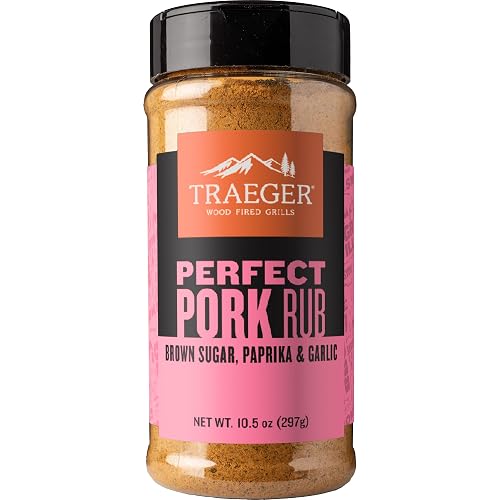
For pork-focused cooks who want a second flavor option from the same brand family, the Big Moe cason Pork rub is a natural comparison:

Big Moe cason Pork rub
Competition-minded buyers comparing broader options can also review Trade East Classic BBQ Rub: 7 Best Picks Compared for Ribs and Brisket to see how other brands handle sweetness, heat and bark on the same cuts.
FAQ
Is the Big Moe BBQ Rub good for ribs?
The product is positioned as a Competition Rib rub, so it is designed with pork ribs in mind. Owners of sweet, balanced rib rubs commonly report good color and bark on spare ribs and baby backs when cooked low and slow. Results will depend on your cooker, temperature control and cooking time.
Can I use it on brisket?
You can season brisket with it, but the product is not specifically marketed for brisket. Traditional Texas-style brisket is usually seasoned with a coarse salt-and-pepper blend. If you want the sweet rib flavor on brisket, apply it lightly and watch the bark color, since sugar can darken quickly on long cooks.
Is it spicy?
The listing does not publish a heat rating. Competition rib rubs typically lean toward mild-to-moderate warmth rather than strong heat. If you want more kick, add cayenne or a hot finishing sauce.
How much rub should I use per rack of ribs?
A common approach is a generous, even coating that covers the meat without thick clumps. Many cooks apply about one to two tablespoons per rack, adjusting for rack size and personal taste. Apply the rub after a binder and let it rest before cooking.
Does it contain gluten or allergens?
The product description does not provide a full allergen statement in the listing text. Check the ingredient panel on the physical container and contact the manufacturer if you have a specific dietary requirement.
How should I store it?
Keep the rub in a cool, dry place away from heat and moisture. Sealed containers help preserve aroma and prevent clumping. Sugar-based rubs can cake if exposed to humidity.
Can I use it on chicken or other meats?
Yes, the listing indicates general grilling use. For chicken, watch the sugar content over direct heat and consider indirect cooking to prevent burnt skin. The companion chicken blend mentioned above may suit poultry more closely.
Is it worth buying over making my own rub?
That depends on your priorities. A pre-blended rub saves time and delivers a consistent flavor. A homemade rub offers complete control over salt, sugar and heat. If you enjoy experimenting, a homemade approach is worthwhile. If you cook rib dinners often and want reliable results without measuring a dozen spices, a ready-made product makes sense.
Final Verdict
The big moe bbq rub is a competition-style rib rub built for pork and general grilling, sold in an 11 oz container. It is a practical choice for rib lovers who want a balanced, sweet-savory seasoning without mixing spices by hand. Its main limitations are the lack of published ingredient detail in the listing, the potential for sugar to burn on hot grills, and its narrower focus compared with all-purpose or brisket-specific rubs. If your priority is pork ribs and convenience, it deserves a place on your shelf. If you want full control over every ingredient or a very spicy profile, look elsewhere.
Note: Verify ingredient, allergen and sodium information on the physical package, since product formulations can change.
Before you buy: helpful guides
- Ultimate BBQ Pork Rub Recipe: Step-by-Step for Ribs and Shoulder
- Kansas City BBQ Dry Rub: A Step-by-Step Guide to Building Authentic Flavor
- Sugar Free BBQ Rub: How to Make One That Tastes Great (2026)
- How to Make a Dry Rub for BBQ Chicken Drumsticks: Step-by-Step (2026)
- Best BBQ Ribs Rub Recipe: A Step-by-Step Guide for Smoked and Grilled Ribs
Related reading
About Claire Whitaker
Claire Whitaker is part of our editorial team and reviews and edits our BBQ & grilling guides, checking product details against manufacturer specifications and owner feedback.