By Claire Whitaker
Updated November 2026
Rib rub and BBQ sauce are the two most common ways to flavor ribs, and they do very different jobs. A dry rub builds a seasoned crust, deep bark and a smoky, meat-forward taste, while sauce adds sweetness, tang and a glossy finish. For most backyard cooks, the best answer is a rub for the cook and a sauce for the finish, but if you only have time for one, read on to see which fits your ribs and your schedule.
| Criterion | Rib Rub | BBQ Sauce |
|---|---|---|
| Main flavor contribution | Salt, sugar, spice and smoke interacting with the meat | Sweet, tangy, acidic or spicy glaze on the surface |
| Bark and crust | Builds a dark, textured bark | Can caramelize, but tends to burn if applied early |
| When it goes on | Hours before cooking, or the night before | Last 15 to 30 minutes of cooking, or after |
| Moisture effect | Salt draws in and redistributes moisture | Adds surface moisture and stickiness |
| Sugar burn risk | Moderate if the rub is sugar-heavy | High if sauce is added too early |
| Effort level | Low, one shake and wait | Low to moderate, timing matters |
| Best for | Competition-style ribs, smoke-forward flavor | Saucy, sticky ribs and crowd pleasers |
Flavor Impact: Which Tastes Better on Ribs?
Rib rub wins for depth of flavor. Because the seasoning sits on the meat through a long cook, it penetrates the surface and blends with the smoke. The result tastes like pork first, with the seasoning supporting it. A well-built rub with paprika, brown sugar, garlic, onion and a little cayenne gives you layers that change bite to bite.
BBQ sauce wins for immediate, bold sweetness and tang. A sauce hits the palate right away, which is why many people reach for it on the table. The tradeoff is that sauce can mask the meat if it is heavy-handed or overly sugary. Thin, vinegar-based Carolina-style sauces are an exception, as they add brightness without covering the pork.
Winner: Rib rub for flavor integrated into the meat. Winner: BBQ sauce for an instant, sweet-tangy punch.
Bark and Crust: Which Builds a Better Finish?
Rib rub is the clear winner for bark. Dry seasoning combined with smoke and rendered fat forms a dark, tacky crust over 4 to 6 hours at around 225 to 250°F. Sugar in the rub caramelizes into a glaze of its own, which is why many pitmasters prefer rubs with brown sugar for a sticky, mahogany surface.
Sauce can create a glossy finish, but it competes with bark rather than building it. If you brush sauce on too early, the sugars scorch and turn bitter, and the bark becomes soggy under the wet layer. Apply sauce only when the ribs are nearly done, and let it set for 10 to 15 minutes.
Winner: Rib rub for bark quality and texture.
Timing and Process: Which Is Easier to Get Right?
BBQ sauce is easier for beginners in one sense: there is no waiting. You can brush it on and move on. But timing is critical, and missing it is the most common way sauced ribs go wrong.
Rib rub requires planning. For the best penetration, apply it 8 to 12 hours before cooking, wrapped and refrigerated. Even 30 minutes helps. Once the ribs go on the smoker, you do not need to touch them until the last stage. That makes rubs low-effort during the cook.
Winner: Rib rub for a hands-off cook once started. Winner: BBQ sauce for last-minute convenience.
Sugar Burn and Control: Which Is More Forgiving?
Rib rub is more forgiving. A sugar-heavy rub can scorch if the smoker runs above 275°F, but most rubs are used at 225 to 250°F with no issues. Keep the temperature steady and the rub holds.
Sauce is less forgiving. Most sugar-based sauces begin to burn around 300°F, and sauce applied with 30 minutes left on a hot grill can blacken. Keep sauce for the final stage and use indirect heat when finishing on a gas or charcoal grill.
Winner: Rib rub for heat tolerance.
Versatility: Which Works on More Meats and Methods?
Rib rub works across pork ribs, pork shoulder, brisket, chicken and beef ribs. It also transfers well to oven cooking and to the sear on a steak. Different rubs suit different meats, so a rub built for pork may need adjustment for beef.
BBQ sauce is extremely versatile on the plate. It works as a dipping sauce, a marinade base, a glaze for chicken wings and a topping for pulled pork sandwiches. The same bottle can serve as a finishing sauce and a table condiment, which rubs cannot do.
Winner: BBQ sauce for table use and sandwich versatility. Winner: Rib rub for cooking across more cuts and methods.
Consistency and Repeatability: Which Gives More Predictable Results?
Rib rub gives consistent results once you settle on a recipe and a cooking temperature. The seasoning is measured once and applied the same way each time, and the smoke and heat do the rest. Owners of many smokers often report that a rub-first method is more repeatable from cook to cook.
Sauce varies more, since brands differ in sugar, acid and thickness, and a sauce that works on one rack can burn on another. Making your own sauce or standardizing on one brand solves this.
Winner: Rib rub for repeatable results.
Which Should You Choose?
- Choose rib rub if you want smoke-forward, competition-style ribs with a dark bark and a clean pork flavor.
- Choose rib rub if you are cooking low and slow and want a hands-off process.
- Choose BBQ sauce if your guests expect sticky, saucy ribs with a sweet-tangy kick.
- Choose BBQ sauce if you are short on time and want a finish you can add in the last minutes.
- Use both if you want the best of each: season with a rub overnight, smoke low, then glaze with sauce in the final 15 minutes.
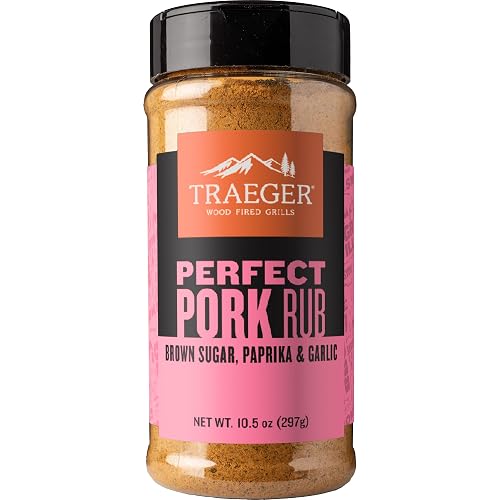
For shopping, a popular rub is the View on Amazon, which is commonly used on pork and brisket. For a sauce option, the View on Amazon is a widely available, mild choice that owners often use as a base for their own mixes.
If you want to build your own rub, the Simple BBQ Rib Rub: A Step-by-Step Guide for Juicy, Flavorful Ribs walks through the process from start to finish. For a sweeter profile, see Rib Rub Recipe for BBQ: A Step-by-Step Guide to Sweet, Smoky Ribs. Those who prefer store-bought seasoning can compare options in Top 7 Bbq Rib Rub Sweet Picks for Ribs in 2026, and Weber Kansas City BBQ Rub: How to Use It for Ribs, Brisket and Pork covers application timing.
FAQ
Can I use rib rub and BBQ sauce together?
Yes. Apply the rub hours before cooking, smoke the ribs, then brush on sauce during the last 15 to 30 minutes. This gives you bark from the rub and a glossy, sweet finish from the sauce. Avoid saucing too early to prevent burning.
When should I put BBQ sauce on ribs?
Apply sauce in the final stage, usually when the ribs are nearly tender and the internal temperature is close to done. Let it set for 10 to 15 minutes so it caramelizes without scorching. Many cooks use two thin coats rather than one thick one.
How long should rib rub sit before cooking?
Eight to twelve hours in the refrigerator gives the best flavor penetration. Even 30 minutes will help, but the longer rest lets salt work into the meat. Wrap the ribs tightly so the rub does not dry out the surface.
Does rib rub make ribs too salty?
It can if the rub is very salty or you apply too much. Measure rather than eyeballing, and use about 1 tablespoon per rack as a starting point, adjusting to taste. Rinsing is not recommended, since it removes seasoning from the surface.
Is it safe to baste with leftover sauce?
Do not reuse sauce that has touched raw meat. Set aside a portion before raw meat contact, or bring used sauce to a full boil for several minutes before serving. If you have questions about food safety, consult your local extension office or a food safety professional.
Conclusion
Rib rub and BBQ sauce serve different roles. Rub builds flavor, bark and smoke into the meat, and it is the better choice for serious barbecue and forgiving long cooks. Sauce adds instant sweetness and tang, and it suits guests who want sticky ribs on the table. If you can plan ahead, lead with a rub and finish with a light coat of sauce. That combination gives you the most flavor from both.
Before you buy: helpful guides
- Ultimate BBQ Pork Rub Recipe: Step-by-Step for Ribs and Shoulder
- Best BBQ Ribs Rub Recipe: A Step-by-Step Guide for Smoked and Grilled Ribs
- Killer Hogs BBQ Rub: How to Use It on Ribs, Brisket and Pork
- Killer Hogs Hot BBQ Rub: How to Use It on Ribs, Pork and Brisket
- Spicewalla Hot Honey BBQ Rub: How to Use It on Ribs, Pork and Chicken
About Claire Whitaker
Claire Whitaker is part of our editorial team and reviews and edits our BBQ & grilling guides, checking product details against manufacturer specifications and owner feedback.