
 By Claire Whitaker
Updated November 2026
Shopping for a pampered chef smoky bbq rub usually means balancing three things: how smoky the blend tastes, how much sugar and salt it carries, and whether it suits the meat you cook most. This list compares six rubs we selected by reviewing manufacturer specifications, brand reputation and the patterns owners tend to report about flavor, texture and bark formation. We did not cook with these products ourselves, so treat the picks as a research-based shortlist rather than hands-on verdicts.
Our top picks at a glance
- 1
 TOP CHOICEBest overallPampered Chef Smoky Barbecue RubView on Amazon
- 2
 TOP CHOICEBest for big smoke flavorSmoky Applewood RubView on Amazon
- 3
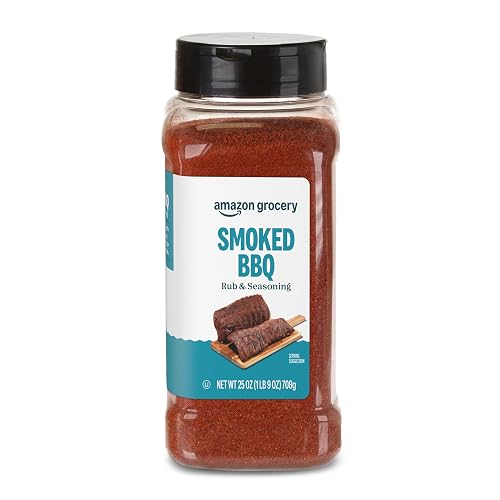 TOP CHOICEBest budget pickAmazon Grocery Smoked BBQ Rub & Seasoning, 25 OzView on Amazon
- 4
 Best for weeknight grillingMcCormick Grill Mates Applewood Rub, 10 ozView on Amazon
- 5
 Best for classic barbecue flavorWeber KC BBQ Dry Rub, 7.25 ozView on Amazon
- 6
 Best for competition-style ribsHeath Riles BBQ Rub Seasoning for Smoking & Grilling, 8 ozView on Amazon
Our Top Picks
Quick Comparison
| Product | Best for | Key feature |
|---|---|---|
| Pampered Chef Smoky Barbecue Rub | Everyday smoky flavor | Balanced smoke and sweetness |
| Smoky Applewood Rub | Strong wood-smoke character | Applewood-forward seasoning |
| Amazon Grocery Smoked BBQ Rub & Seasoning, 25 Oz | Budget-minded cooks and large batches | Large 25 oz container |
| McCormick Grill Mates Applewood Rub, 10 oz | Quick weeknight grilling | Ready-to-shake applewood blend |
| Weber KC BBQ Dry Rub, 7.25 oz | Classic Kansas City-style barbecue | Sweet, savory, tomato-based profile |
| Heath Riles BBQ Rub Seasoning, 8 oz | Ribs, pork, brisket and chicken | Competition-style sweet blend |
Pampered Chef Smoky Barbecue Rub
Pampered Chef Smoky Barbecue Rub
Best for: Everyday smoky flavor on pork, chicken and beef
This is the rub most people searching for a pampered chef smoky bbq rub are looking for. It is aimed at cooks who want a reliable, all-purpose smoky seasoning without measuring a long list of spices.
Key specs
- Smoky barbecue seasoning blend
- Dry rub format, suited to pre-cook application
Pros
- Balanced between smoke, sweetness and salt
- Works across several proteins
- Familiar brand with broad kitchen-tool credibility
Cons
- Less aggressive smoke than dedicated applewood blends
- Owners who prefer heavy heat may want to add cayenne
Bottom line: A safe first choice for anyone who wants dependable smoky flavor without a learning curve.
Smoky Applewood Rub
Smoky Applewood Rub
Best for: Cooks who want a pronounced wood-smoke character
Applewood rubs are built around the sweet, fruity smoke notes that applewood contributes, which suits pork shoulder, ribs and poultry particularly well.
Key specs
- Applewood-flavored smoky rub
Pros
- Clear, recognizable smoke profile
- Pairs naturally with pork and poultry
- Useful for smoked and oven-roasted cooking alike
Cons
- Smoke-forward flavor can overpower delicate fish or shrimp
- Less sugar, so bark may color more slowly on sweet-glaze styles
Bottom line: Best for shoppers who want the smoke to lead rather than sit in the background.
Amazon Grocery Smoked BBQ Rub & Seasoning, 25 Oz
Amazon Grocery, Smoked BBQ Rub & Seasoning, 25 Oz
Best for: Budget-minded cooks and frequent grillers who go through a lot of rub
The large 25 oz container makes this a sensible option for households that cook often or batch-season for meal prep.
Key specs
- 25 oz container
- Smoked BBQ seasoning blend
Pros
- Large quantity for the size of the container
- Straightforward smoky profile for everyday meats
- Good choice for trying smoky rubs without committing to a premium tin
Cons
- Large containers can lose aroma if not stored tightly closed
- Flavor is generally milder than specialty competition blends
Bottom line: A practical pick for cooks who want volume and a familiar smoky taste.
McCormick Grill Mates Applewood Rub, 10 oz
McCormick Grill Mates Applewood Rub, 10 oz
Best for: Quick weeknight grilling with minimal prep
Grill Mates is a widely distributed line designed for fast, shake-and-cook seasoning, which makes it a good match for busy cooks.
Key specs
- 10 oz container
- Applewood-flavored rub
Pros
- Easy to find and simple to use
- Applewood flavor works well on chicken thighs and pork chops
- Compact container fits in a standard spice drawer
Cons
- Smaller quantity may run out quickly for heavy grillers
- Flavor is more mainstream than complex
Bottom line: Ideal for anyone who wants a dependable applewood rub for everyday cooking.
Weber KC BBQ Dry Rub, 7.25 oz
Weber KC BBQ Dry Rub, 7.25 oz
Best for: Classic Kansas City-style barbecue flavor
Weber’s Kansas City-style rub leans sweet and savory, aiming for the flavor profile associated with regional barbecue.
Key specs
- 7.25 oz container
- Dry rub format
Pros
- Recognizable regional barbecue profile
- Works well on ribs and pork butt
- Brand is well established in grilling accessories
Cons
- Sugar content can burn on high-heat grilling if not monitored
- Not a pure smoke-focused blend
Bottom line: A good pick for anyone chasing a traditional sweet-and-savory barbecue taste.
Heath Riles BBQ Rub Seasoning for Smoking & Grilling, 8 oz
BBQ Rub Seasoning for Smoking & Grilling – Dry Rub for Ribs, Pork, Brisket & Chicken, 80+ BBQ Championships, 8 oz Heath Riles BBQ Rub – Sweet BBQ BBQ Seasoning – Championship Recipe
Best for: Ribs, pork, brisket and chicken for serious smokers
This rub is marketed on competition heritage, and its sweet-leaning profile is built for low-and-slow cooks who want a crust that colors well.
Key specs
- 8 oz rub
- Sweet BBQ seasoning profile
Pros
- Designed for extended smoking sessions
- Good bark development in owner reports for ribs and brisket
- Covers multiple proteins
Cons
- Sweet profile may not suit cooks who prefer savory rubs
- Smaller container than bulk options
Bottom line: Best for smokers who want a competition-inspired crust and do not mind sweetness.
Buying Guide
Smoke Source and Flavor Profile
Check whether the rub is built around a specific wood, such as applewood, or a general smoky seasoning. Wood-named blends tend to push fruit-forward smoke notes, while general smoky blends lean on paprika and chipotle-style flavors.
Good picks for this: Smoky Applewood Rub, Pampered Chef Smoky Barbecue Rub
Sugar and Salt Content
Sugar affects bark color and can burn over high direct heat. If you cook hot and fast, look for a lower-sugar rub or apply it closer to the cook. Salt levels matter too, especially if you plan to brine or cure.
Good picks for this: Weber KC BBQ Dry Rub, McCormick Grill Mates Applewood Rub
Container Size and Freshness
Larger containers lower the cost per use for heavy grillers but can lose aroma over time. Smaller tins suit occasional cooks. Store any rub in a sealed container away from heat and light.
Good picks for this: Amazon Grocery Smoked BBQ Rub & Seasoning, 25 Oz, McCormick Grill Mates Applewood Rub, 10 oz
Protein Versatility
Some rubs are built for a single protein, while others are designed to work across pork, beef and poultry. If you cook a wide range of meats, choose a versatile blend.
Good picks for this: Heath Riles BBQ Rub Seasoning, Pampered Chef Smoky Barbecue Rub
Cooking Method
Low-and-slow smoking, high-heat grilling and oven roasting each stress a rub differently. Competition-style blends are formulated for long smoke sessions, while quick-shake rubs suit faster cooks.
Good picks for this: Heath Riles BBQ Rub Seasoning, McCormick Grill Mates Applewood Rub
Ingredient Transparency
Read the full ingredient list when you have dietary restrictions, such as low sodium or sugar-free needs. Brands usually list ingredients in descending order by weight, which helps you judge the balance at a glance.
Good picks for this: Weber KC BBQ Dry Rub, Smoky Applewood Rub
Brand Reliability and Consistency
Established brands generally publish consistent specifications and maintain batch quality. Owners often report that long-running products taste the same from one container to the next, which matters when you want repeatable results.
Good picks for this: Pampered Chef Smoky Barbecue Rub, Weber KC BBQ Dry Rub
FAQ
What makes a rub taste smoky if there is no real smoke involved?
Smoky flavor in dry rubs usually comes from smoked paprika, chipotle, cumin and sometimes liquid smoke or applewood-flavored seasonings. Real wood smoke still produces a deeper, more complex flavor, so pair a rub with a smoker or wood chips when you can.
Should I apply a smoky rub the night before cooking?
For thick cuts like pork shoulder or brisket, applying the rub 12 to 24 hours ahead allows salt to penetrate. For thinner cuts such as chicken wings, 30 minutes to an hour is usually enough. Refrigerate meat while it rests.
Why does my rub burn on the grill?
Sugar in a rub caramelizes and can scorch over direct high heat. Move the meat to indirect heat once the bark starts to set, or lower the grill temperature. Rubs with less sugar are more forgiving for hot grilling.
How much rub should I use per pound of meat?
A common starting point is a generous, even coating that just covers the surface without clumping. Many cooks use roughly one to two tablespoons per pound, adjusting for how salty and strong the rub is. Taste-test a small piece of meat if you are unsure.
How should I store a smoky BBQ rub?
Keep the container tightly sealed, away from heat, moisture and direct sunlight. Spices lose aroma over time, so buying a size you can use within several months helps preserve flavor.
Can I use a smoky rub on vegetables or fish?
Yes, but use a lighter hand. Smoky applewood blends can overwhelm delicate fish, while heartier vegetables such as potatoes, carrots and corn take to them well. Test a small amount first.
Is a store-bought rub healthier than a homemade one?
It depends on the product. Commercial rubs often contain added sugar and salt, so check the nutrition label if you are watching sodium or sugar intake. Homemade rubs let you control those levels directly. If you have a medical condition that affects your diet, consult a registered dietitian or physician.
Conclusion
For most cooks searching for a pampered chef smoky bbq rub, the Pampered Chef Smoky Barbecue Rub is the most straightforward starting point, with a balanced profile across proteins. Choose the Smoky Applewood Rub if you want smoke to lead, the Amazon Grocery Smoked BBQ Rub for larger batches, and the McCormick Grill Mates Applewood Rub for fast weeknight cooking. Traditionalists will likely prefer the Weber KC BBQ Dry Rub, while serious smokers chasing a competition-style crust may find the Heath Riles blend a good fit. Match the rub to your heat method, protein and sugar tolerance, and you will get the most from your cook.
Sources
- Food labeling and nutrition guidance, including how to read sodium and sugar declarations on seasoning labels (fda.gov)
- Safe handling and internal temperature guidelines for pork, beef and poultry when smoking or grilling (usda.gov)
- Research-based guidance from land-grant university extension programs on food storage and spice quality (extension.org)
Before you buy: helpful guides
- Bbq Rub for Ham: A Step-by-Step Guide to Building a Sweet and Smoky Crust
- Bbq Dry Rub Recipe: A Step-by-Step Guide to Balanced, Smoky Flavor
- Bbq Dry Rub for Ribs Recipe: A Step-by-Step Guide to Balanced, Smoky Flavor
- Rib Rub Recipe for BBQ: A Step-by-Step Guide to Sweet, Smoky Ribs
- BBQ Spice Rub Recipe for Chicken: A Step-by-Step Guide to Juicy, Smoky Results
About Claire Whitaker
Claire Whitaker is part of our editorial team and reviews and edits our BBQ & grilling guides, checking product details against manufacturer specifications and owner feedback.


