By Miles Sinclair
Updated November 2026
Cooking a brisket on a pellet grill is one of the most forgiving ways to produce tender, smoky beef at home. In this guide you will learn how to trim and season a packer brisket, set your grill for a low-and-slow cook, decide when and how to wrap, and rest the meat so it slices cleanly. The method below targets an internal temperature of about 203°F and a rest of at least an hour.
If you have read our overview of Smoking Brisket on Pellet Grill: A Step-by-Step Guide for Juicy Results, this article goes deeper into each stage so you can troubleshoot as you cook.
Shopping for one? See our guide: 6 Best Smoke Brisket on a Pellet Grill Options for Backyard Cooks (2026).
What You Need Before You Start
A packer brisket usually weighs between 10 and 16 pounds and includes both the flat and the point. Plan on roughly 1.5 hours per pound at 225°F as a working estimate, though weather, grill loading and the cut itself can shift that by hours. Before you fire up the grill, gather the following:
- A whole packer brisket, ideally with 1/4 inch of fat cap left on
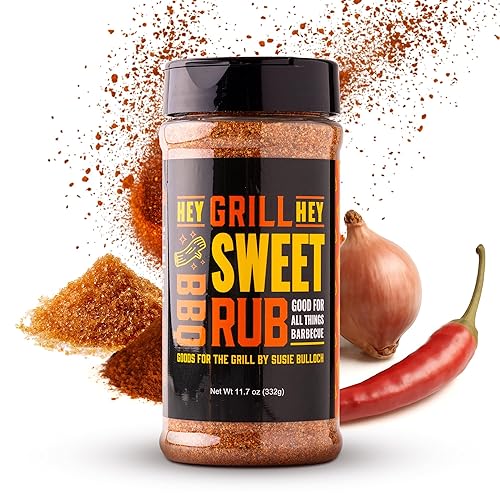
- Coarse kosher salt and coarse black pepper, roughly equal parts, or a commercial brisket rub
- A long, flexible boning or slicing knife for trimming
- Butcher paper or aluminum foil for wrapping
- A reliable meat probe thermometer, preferably two probes for a pellet grill
- A pan or cooler for resting, plus heavy-duty towels
- Hardwood pellets such as oak, hickory or a blend
Step 1: Trim the Brisket
Trimming controls how much fat renders and how evenly the bark forms. Lay the brisket fat side up and remove any hard, waxy fat over the flat that is thicker than about 1/4 inch. Trim the thick fat between the point and the flat, and square off the edges so the meat cooks at a more even rate. Keep the fat cap intact on the bottom of the flat, since it protects the meat from direct heat.
Trimming tips
- Remove the hard fat seam between the point and flat only where it blocks seasoning.
- Trim silver skin on the bottom if it is thick, but do not strip everything off.
- Save trimmings for burnt ends or rendered tallow if you want them.
Step 2: Season the Brisket
Apply a generous, even layer of seasoning on all sides. Many pitmasters use a simple coat of salt and pepper, while others prefer a commercial rub. Let the brisket sit uncovered in the refrigerator for at least 4 hours, or overnight, so the salt can penetrate. Pull it out about 30 minutes before cooking to take off the chill.
Step 3: Set Up the Pellet Grill
Preheat your pellet grill to 225°F to 250°F. Use a hardwood pellet, and check the hopper level before starting a long cook. Let the grill come fully up to temperature and stabilize before you place the meat. Most pellet grills run hotter at the start, so keep an eye on the controller for the first 15 minutes.
For a deeper look at pellet choices, see our guide on Wood Pellets for Pellet Grill: A Step-by-Step Guide to Choosing and Using Them.
Step 4: Smoke the Brisket to the Stall
Place the brisket fat side up or down, depending on your grill’s heat pattern, with the thickest part of the point facing the hottest zone. Insert one probe into the center of the flat and another into the thickest part of the point. Avoid touching bone or fat pockets. Expect a stall between 150°F and 170°F, where the internal temperature stops rising for hours as moisture evaporates from the surface.
Step 5: Decide When and How to Wrap
Wrapping pushes the brisket through the stall and helps retain moisture. Once the bark is set and a deep mahogany color has formed, usually around 160°F to 170°F, wrap it tightly in butcher paper or foil. Butcher paper preserves more bark texture, while foil speeds the cook and softens the bark. Many cooks wrap at about 165°F and continue until the probe slides in with little resistance.
Wrap comparison
| Wrap type | Bark texture | Cook speed | Moisture retention |
|---|---|---|---|
| Butcher paper | Firm, crisp bark | Moderate | Good |
| Foil | Softer bark | Faster | Very high |
| No wrap | Darkest bark | Slowest | Lowest |
Step 6: Hit the Finish Temperature
Keep cooking until the flat reaches about 203°F and the probe slides into the meat like warm butter. Every brisket is different, so rely on feel rather than the number alone. Start checking around 195°F, since a brisket can hit the finish temperature earlier or later than expected.
Step 7: Rest the Brisket
Resting is essential. Pull the brisket from the grill and wrap it in towels, then place it in a dry cooler for at least one hour, and up to four hours. The internal temperature will settle and juices will redistribute. Slice against the grain once the meat is ready, and separate the point from the flat if you want to finish the point separately for burnt ends.
Common Mistakes
- Cooking at too high a temperature, which dries the meat and can make the bark bitter.
- Pulling the brisket based only on time instead of probe tenderness.
- Skipping the rest, which leads to dry slices.
- Opening the lid too often, which extends the cook and lowers the grill temperature.
- Slicing with the grain instead of against it, making the meat seem tough.
Tips for Better Results
- Use a water pan or spritz lightly if your grill runs dry, but avoid over-spritzing.
- Monitor pellet levels and keep a spare bag nearby for long overnight cooks.
- Calibrate your grill’s built-in thermometer with a separate probe thermometer.
- Smoke a practice cut or a chuck roast first if you are new to long cooks.
Recommended Gear
A reliable wireless or dual-probe thermometer makes it easier to track both the flat and the point without opening the lid. View on Amazon
A pair of heat-resistant gloves lets you handle the brisket and grill grates safely during wrapping and checks. View on Amazon
Pink butcher paper is a popular wrap that holds bark texture while still letting the brisket breathe. View on Amazon
FAQ
What temperature should I smoke a brisket at on a pellet grill?
Most cooks use 225°F to 250°F. Lower temperatures give more smoke flavor and a longer cook, while higher temperatures finish sooner but can tighten the meat.
How long does a brisket take on a pellet grill?
Plan roughly 1.5 hours per pound at 225°F as an estimate, but expect variation. Cook to tenderness, not to the clock.
Should I wrap my brisket?
Wrapping helps push the brisket through the stall and retains moisture. Butcher paper keeps bark firmer, while foil cooks faster and softens the bark.
What internal temperature is a brisket done?
Around 203°F is a common target, but probe tenderness matters more. The probe should slide in easily with little resistance.
Why is my brisket stalling?
The stall happens when evaporative cooling from the surface balances the heat coming in. It usually lands between 150°F and 170°F. Wrapping or waiting it out both work.
How long should I rest a brisket?
Rest at least one hour, and up to four hours in a dry cooler wrapped in towels. Resting improves juiciness and makes slicing easier.
Do I need a special pellet for brisket?
Hardwood pellets such as oak or hickory are commonly used. Blends work well too. Choose a quality pellet from a reputable brand and store it dry.
Can I cook a brisket on a pellet grill overnight?
Yes, many cooks do. Check pellet levels, confirm your grill’s overnight safety features, and verify the hopper will last the full cook before you leave it unattended.
Conclusion
Cooking a brisket on a pellet grill rewards patience and attention to temperature. Trim and season carefully, hold the grill steady around 225°F, wrap at the right moment, and cook to probe tenderness rather than a fixed time. A proper rest is what turns a good brisket into a great one. For more ideas, browse our related guides and build your method over time.
Related reading
- Smoking Brisket on Pit Boss Pellet Grill: 5 Best Picks for Backyard Cooks (2026)
- Smoked Beef Brisket on Pellet Grill: 7 Steps to Juicy Results
- Pellet Grill Beef Brisket: A Step-by-Step Guide for Juicy Results
- How to Cook Brisket on Pellet Grill: A Step-by-Step Guide for Juicy Results
- Brisket in Pellet Grill: A Step-by-Step Guide for Juicy Results
- 7 Best Smoking Beef Brisket on Pellet Grill Options for Backyard Cooks (2026)
Ready to choose one?
About Miles Sinclair
Miles Sinclair is part of our editorial team and reviews and edits our BBQ & grilling guides, checking product details against manufacturer specifications and owner feedback.