By Miles Sinclair
Updated November 2026
The hey grill hey sweet bbq rub is a sweet, mildly smoky seasoning sold for pork, chicken, fish, beef and vegetables. It is aimed at cooks who want a ready-made, brown-sugar-forward rub that works on the grill without a long list of ingredients to measure. It suits weekend grillers, backyard cooks who want consistent results from a jar, and anyone who likes a caramelized sweet crust on ribs or chicken thighs. It is a weaker fit for pitmasters who want a heavy, pepper-forward bark or a fully salt-free blend, and for cooks who prefer to build their own rub from scratch.
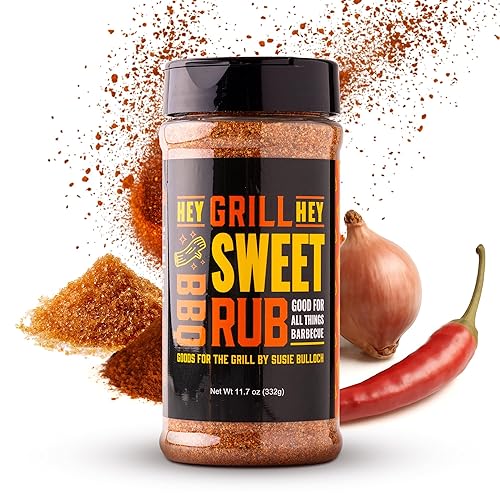
Hey Grill Hey | Sweet Rub | BBQ Rub | Sweet Seasoning for Grilling Pork, Chicken, Fish, Beef, Veggies, and More | NBBQA Award Winning Barbecue Seasoning | 11.7oz
Product Overview
Hey Grill Hey Sweet Rub is a dry seasoning blend marketed as an all-purpose sweet rub for grilling and smoking. The product name and listing describe it as suitable for pork, chicken, fish, beef and vegetables, and the packaging carries the NBBQA Award Winning Barbecue Seasoning designation. That designation is part of the product listing; it describes the brand’s own marketing claim rather than a judged ranking you can verify on your own, so treat it as a marketing point and focus on how the rub performs for you.
The rub is positioned as a sweet profile first. Most rubs in this category lean on brown sugar or sugar combined with paprika, garlic, onion and black pepper, and a sweet-leaning blend like this one is designed to build color and a glossy surface during a grill session. Because it is a dry rub, you apply it to meat before cooking and let it sit, rather than using it as a finishing glaze.
The bottle size listed is 11.7 oz. For a household that cooks ribs or a few pounds of chicken every couple of weeks, that quantity should last a good while, though heavy users who season large briskets or whole pork shoulders will go through it faster.
Key Features & Specifications
The table below lists only the details that appear in the product name and listing. Where the listing does not give a specific figure, the field is left general rather than estimated.
| Feature | Details |
|---|---|
| Product type | Dry rub / sweet BBQ seasoning |
| Net weight | 11.7 oz |
| Intended proteins | Pork, chicken, fish, beef |
| Also suitable for | Vegetables and general grilling |
| Flavor profile | Sweet, grilling-oriented |
| Application | Apply to meat before cooking (dry rub) |
| Brand claim | NBBQA Award Winning Barbecue Seasoning (manufacturer statement) |
The listing does not publish a full ingredient breakdown or sodium figure in the title, so if you track salt or sugar intake closely, check the label on the physical container before buying.
Pros & Cons
Pros
- Sweet profile that helps build color and a sticky crust on ribs, pork shoulder and chicken thighs.
- Multi-protein use: the listing covers pork, chicken, fish, beef and vegetables, so one jar can cover most of a grill rotation.
- No measuring required, which saves time on weeknight cooks.
- Generous 11.7 oz size for a seasoning, which makes it reasonable for regular use.
- Good starting point for cooks who are new to building rubs.
Cons
- Sweet rubs can burn over high direct heat, so it is best suited to indirect or moderate-temperature cooks.
- Not a fit for cooks who want a peppery, savory bark or a salt-free blend.
- The full ingredient list and sodium content should be checked on the package if you are managing your diet.
- Flavor is fixed; you cannot easily dial down the sugar the way you can when mixing your own rub.
- Award claim is a manufacturer statement and should not be treated as an independent endorsement.
Performance Analysis
Because this review is research-based, the performance discussion relies on the product’s stated profile and on patterns that owners of sweet BBQ rubs commonly describe, rather than on any test we ran ourselves.
The most consistent theme in how sweet rubs of this type are described is crust formation. Brown sugar and sweet paprika caramelize as the meat surface heats, producing a darker, glossier exterior. Owners of rubs in this family often report that the bark forms well on pork ribs and pork shoulder over a long, low-temperature cook, and that chicken thighs take on color quickly. For best results, most cooks apply the rub a few hours ahead, or overnight for larger cuts, so the salt and sugar can penetrate.
The main performance risk is scorching. Sugar begins to darken and then burn at temperatures that a hot direct-heat grill can reach within minutes. The usual approach is to sear over direct heat only briefly, then move the meat to indirect heat to finish. Cooks who skip this step frequently report black, bitter spots on the surface. If you are cooking chicken wings or thin fish fillets at high heat, reduce the amount of rub or wipe off excess before cooking.
For fish and vegetables, the sweetness can work well on salmon or corn but may overwhelm delicate flavors. Many cooks use a lighter hand on fish than on pork. Vegetables such as carrots, sweet potatoes and onions tend to pair well with a sweet rub because the sugars complement their natural sweetness.
Overall, the expected performance is that of a reliable, approachable sweet rub: good color, good mid-range flavor, and a tendency to burn if handled carelessly. Results will depend heavily on your cooking temperature and timing.
Who Should Buy This Product?
This rub makes sense for cooks who want a dependable sweet seasoning without building their own blend. It is a particularly good match for people who cook pork ribs, pulled pork, sweet-glazed chicken or grilled vegetables and want a consistent, recognizable flavor each time.
It is a weaker choice if you cook mostly brisket, which usually calls for a salt-and-pepper-forward rub, or if you cook at very high direct heat most of the time. Cooks watching sodium or sugar intake should check the label first. Anyone who enjoys tinkering with their own mixes will likely get more satisfaction from a blank base rub plus their own sugar and spice additions.
For a general discussion of how rubs fit into different cooks, see Types of BBQ Grills: Charcoal, Gas, Pellet and Electric Explained for equipment context, and Sugar Free BBQ Rub: How to Make One That Tastes Great (2026) if you need a lower-sugar alternative.
Buying Guide
When you shop for any sweet BBQ rub, a few checks will save you disappointment. First, read the ingredient list. Look at where sugar sits in the order: sugar near the top means a sweeter, faster-browning rub. Second, check the sodium content if it is listed, since many commercial rubs are salt-heavy and can make meat taste overly seasoned if you also brine. Third, match the rub to your cooking method. Sweet rubs suit low-and-slow indirect cooking and moderate grill temps better than screaming-hot direct sear.
Size matters too. A larger container is cheaper per ounce but only sensible if you will use it before the flavor fades. Store rubs in a sealed container away from heat and light.
If you want to compare options before committing, these alternatives are well-known sweet-leaning rubs worth considering:
- McCormick Grill Mates Sweet & Smoky Rub, 9.5 oz – a widely available sweet and smoky option with a familiar supermarket profile.

McCormick Grill Mates Sweet & Smoky Rub, 9.5 oz
- Weber Smoky Brown Sugar Dry Rub, 12 oz – a brown-sugar-forward blend from a grill brand, suited to pork and chicken.

Weber Smoky Brown Sugar Dry Rub, 12 oz
For more ideas across price and flavor, The Salt Lick BBQ Rub Compared: 5 Best Picks for Every Grill (2026) and 4 Best Sweet BBQ Rub Recipes for Ribs and Pork (2026) are useful next reads.
FAQ
Can I use hey grill hey sweet bbq rub on brisket?
You can, but brisket is traditionally seasoned with a salt-and-pepper-heavy rub. A sweet rub will still caramelize, though it may form a darker, sweeter bark than many Texas-style cooks expect. Test a small portion first.
Does this rub work on chicken?
Yes, the listing names chicken as a suitable protein. Chicken thighs and drumsticks take sweet rubs well. Cook over indirect heat to avoid burning the sugars before the meat is done.
Should I apply it wet or dry?
It is a dry rub. Many cooks lightly coat meat with a thin layer of yellow mustard or oil first so the rub adheres, then apply the seasoning and let it sit before cooking.
How long should I let the rub sit on the meat?
For chicken and thin cuts, 30 minutes to a few hours is usually enough. For pork shoulder or ribs, many cooks let it rest overnight in the refrigerator. Follow food safety guidance and keep raw meat chilled while it rests.
Is the rub suitable for vegetables?
The listing includes vegetables. Sweet rubs work well on carrots, sweet potatoes, onions and corn. Use a lighter layer than you would on meat, since vegetables can burn quickly.
How does it compare to a homemade sweet rub?
A homemade rub lets you control sugar, salt and heat precisely. A commercial blend like this one saves time and gives a consistent profile. If you have dietary restrictions, check the label or make your own.
What temperature is best for cooking with a sweet rub?
Moderate to low temperatures are safest for sugar-based rubs. Use indirect heat for longer cooks and reserve direct heat for a short sear. If you notice black spots forming, lower the temperature or move the meat away from the flame.
Final Verdict
The hey grill hey sweet bbq rub is a practical, approachable sweet seasoning that covers pork, chicken, fish, beef and vegetables in a single 11.7 oz container. Its strengths are good color, easy use and wide applicability. Its limits are the usual ones for sugar-based rubs: it can scorch over high direct heat and it is not the right choice for savory, peppery barks. If you cook mostly ribs, pork and chicken at moderate heat, it is a reasonable everyday pick. Cooks who want a salt-and-pepper profile or who track sugar and sodium tightly should look elsewhere or make their own. Consult the label and a qualified nutrition professional if dietary restrictions apply.
Related reading
- Top 7 Bbq Rib Rub Sweet Picks for Ribs in 2026
- Sweet Preacher BBQ Rub Review: Is It Worth It?
- Sweet Heat Bbq Rub (2026): Pros, Cons & Verdict
- Rib Rub Recipe for BBQ: A Step-by-Step Guide to Sweet, Smoky Ribs
About Miles Sinclair
Miles Sinclair is part of our editorial team and reviews and edits our BBQ & grilling guides, checking product details against manufacturer specifications and owner feedback.