By Claire Whitaker
Updated November 2026
The Kinders Japanese BBQ Rub is a blend aimed at cooks who want something beyond the standard brown sugar and paprika profile. If you like sweet-savory, soy-forward flavors with a hint of ginger and garlic, this rub is built for you. If you want a traditional Texas-style salt-pepper rub or a heavy-heat seasoning, you will likely want to look elsewhere. Our review below is based on the product listing, manufacturer-stated specifications, and patterns in owner feedback rather than hands-on testing.

KINDER'S Japanese BBQ Rub and Seasoning (8.1 Ounce)
Product Overview
The KINDER’S Japanese BBQ Rub and Seasoning comes in an 8.1-ounce container and is sold as a ready-to-use dry seasoning for grilling, smoking, roasting, and pan-searing. It belongs to the broader family of Asian-inspired and teriyaki-style rubs that have grown popular with backyard cooks looking for flavor variety beyond classic American barbecue. The product is designed to be applied directly to proteins before cooking, and it works as a finishing seasoning as well.
Kinders is a brand known in the rub category for a range of blends, and this Japanese-style offering sits alongside its more traditional barbecue seasonings. Rather than being a sauce-style marinade or a thick paste, it is a dry, granular rub meant to form a flavorful crust on meat, poultry, seafood, and vegetables.
Key Features & Specifications
The table below lists the specifications that are clearly stated on the listing. We have left out anything we could not confirm.
| Feature | Detail |
|---|---|
| Product type | Dry BBQ rub and seasoning |
| Flavor style | Japanese-inspired, savory-sweet |
| Net weight | 8.1 ounces |
| Form | Dry, granulated blend |
| Intended uses | Meat, poultry, seafood, vegetables |
| Cooking methods | Grilling, smoking, roasting, pan-searing |
| Application | Dry rub applied before cooking |
Because the ingredient list and heat level can change between packaging runs, always check the current label for allergen information, sodium content, and whether the blend contains sugar, soy, or wheat derivatives before you buy, especially if you cook for guests with dietary restrictions.
Pros & Cons
Pros
- Distinct flavor profile that moves away from typical brown sugar and smoked paprika rubs.
- Versatile across proteins, including chicken thighs, pork, salmon, and vegetables.
- Dry format keeps it simple: shake, rub, and cook without preparing a wet marinade.
- Resealable container size is practical for regular use without buying a large bag.
- Works as both a pre-cook rub and a light finishing seasoning.
Cons
- Flavor is noticeably different from Texas or Kansas City styles, so it may not suit traditionalists.
- Sugar and soy-based components can burn on high-heat direct grilling if applied too thickly.
- Smaller container relative to some competing bulk rubs.
- Not ideal for cooks who want a heavy, peppery bark.
- Sodium and allergen details should be verified on the current label before purchase.
Performance Analysis
Performance for a dry rub depends on three things: how well it adheres, how it develops in the cooking process, and whether the flavor balance matches the protein. Based on the product description and the general patterns owners tend to report for Japanese-style dry rubs, the Kinders blend performs best in a few specific situations.
Adhesion is typically strongest on meat with a light coating of oil or mustard. Without a binder, a dry rub will sit on the surface, and a thin, even layer is easier to manage than a heavy dusting. Many cooks apply the rub 30 to 60 minutes ahead for chicken thighs and pork chops, and longer, sometimes overnight, for thicker cuts like pork shoulder. Because the blend contains sweet and savory components, it can darken faster than a salt-and-pepper rub.
On the grill, the main consideration is heat management. Sugar-containing rubs caramelize quickly. Owners often recommend starting with indirect heat for larger cuts and finishing over direct heat for color, rather than searing the rub-covered surface at very high temperatures from the start. For thinner items like salmon fillets or shrimp, a medium-high grill and a short cook time usually yield the best results.
Flavor-wise, the blend leans toward umami, sweetness, and aromatic garlic and ginger notes. Owners generally describe it as approachable rather than aggressive. That makes it a good choice for cooks who want a noticeable but not overpowering seasoning, and it pairs well with a simple glaze or a splash of rice vinegar at the end of cooking to brighten the finish.
Smoke interaction is a point to watch. A mild wood such as cherry or apple lets the rub’s savory notes come through without competing. Heavy mesquite or hickory can dominate the blend, which may or may not suit your preference.
Who Should Buy This Product?
This rub is a good fit for backyard cooks who already own a grill or smoker and want to expand their seasoning collection without learning a new technique. It is also well suited to people who enjoy teriyaki-style chicken, salmon, or grilled vegetables and want a dry rub that brings similar flavors to the surface.
You should probably skip this product if you are committed to classic Texas beef brisket, where a simple salt and black pepper rub is the standard. Competition pitmasters who need a specific, well-documented flavor profile for judging may also prefer a rub with a published ingredient breakdown and a consistent track record in their category. If you need a very low-sodium or sugar-free rub, check the label carefully or look for a dedicated low-sodium product.
Buying Guide
When you are shopping for a Japanese-style or Asian-inspired BBQ rub, look at a few factors beyond the front label. Start with the ingredient list. Sugar, soy, garlic, ginger, sesame, and MSG-free or MSG-containing formulas will taste and behave differently on the grill. If you have a sodium limit or a food sensitivity, read the full nutrition panel before you buy.
Next, consider the protein you cook most often. Rubs with high sugar content are excellent on chicken thighs and wings, where the skin can caramelize, but they need closer attention on pork ribs or thick beef cuts. Think about your cooking method too. A rub meant for slow smoking may hold up differently than one built for quick direct grilling.
Finally, compare container size to how often you cook. A smaller container is fine for occasional use, but if you season weekly, a larger format may be more practical. Here are a few well-known alternatives to consider:
- Gustus VitaeGourmet Spice Blend Japanese Teriyaki BBQ Seasoning & Rub: a teriyaki-style blend in a magnetic tin, marketed as non-GMO, no MSG, and small batch. It suits cooks who want a similar Japanese-inspired profile with a focus on natural ingredients.

Gustus VitaeGourmet Spice Blend | Non GMO | No MSG | No Fillers | Handmade in USA | Magnetic Tin | Small Batch | All Natural Seasoning Japanese Teriyaki BBQ Seasoning & Rub | Natural Spice Blend
- KINDER’S Rub The BBQ Blend, 6.25 Ounce: a classic American-style barbecue rub from the same brand, a good choice if you want a more traditional sweet and smoky profile alongside your Japanese blend.
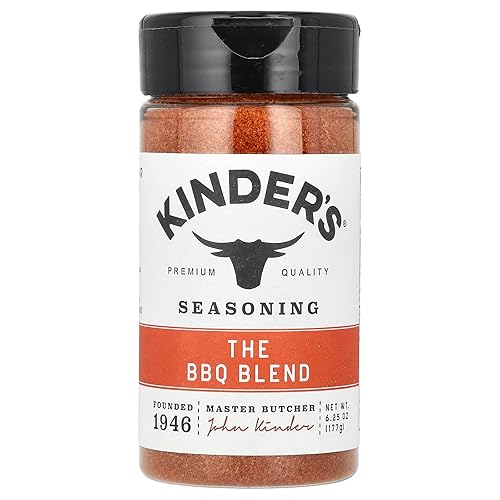
KINDER'S Rub The BBQ Blend, 6.25 Ounce
For more on how Asian-style and sweet rubs compare with other blends on this site, see Is Kinders Brown Sugar BBQ Rub Good? Flavor, Uses and Tips and Spicewalla Hot Honey BBQ Rub: How to Use It on Ribs, Pork and Chicken. If you want a broader sense of how sweet rubs behave on different cuts, Sugar Free BBQ Rub: How to Make One That Tastes Great (2026) and Texas Sugar BBQ Rub Review: Features and Performance are useful companions. For a contrast with a more savory, competition-style approach, read Top 6 Heath Riles Competition BBQ Rubs Compared for Ribs and Brisket.
FAQ
Is the Kinders Japanese BBQ Rub good for chicken?
Owners generally find it works well on chicken thighs, drumsticks, and wings. Its sweet and savory profile complements poultry, and the skin can develop an attractive color. Apply it after patting the chicken dry and keep direct-heat exposure moderate to avoid scorching the sugar.
Can I use it on pork ribs?
Yes, though you should manage heat carefully. Cook ribs with indirect heat for most of the cook and add a light glaze near the end if you want extra color. Applying a thin, even coat of rub helps prevent the sugars from burning too early.
Does it contain sugar?
Japanese-style rubs commonly include some sweetener to balance soy and savory components. Check the current ingredient list on the package, since formulations can change, and confirm details if you are managing blood sugar or following a sugar-restricted diet.
Is it spicy?
The blend is generally described as savory and aromatic rather than hot. If you want heat, you can add a pinch of red pepper flakes or serve it alongside a chili sauce. Confirm the heat profile on the label for your specific batch.
How much should I use per pound of meat?
A common starting point for dry rubs is about one tablespoon per pound of meat, adjusted for how strong you want the seasoning. Start light, since the sweet components can make a heavy application taste overpowering. You can always add more at the table or before the final sear.
Should I use a binder before applying it?
A thin layer of oil, mustard, or even a little water can help the rub adhere. This is optional, but it helps create an even crust, especially on smooth cuts like chicken breasts or salmon.
Is it suitable for vegetables and seafood?
Many cooks use Japanese-style rubs on corn, mushrooms, zucchini, and salmon. Because the blend is savory-sweet, it works well on items that benefit from a little caramelization. Use a lower heat setting for delicate seafood to prevent sticking and burning.
Final Verdict
The KINDER’S Japanese BBQ Rub and Seasoning is a worthwhile pick for cooks who want a flavor profile that stands apart from standard American barbecue rubs. Its savory-sweet balance suits chicken, salmon, pork, and vegetables, and its dry format makes it easy to use on a weeknight or weekend cook. It is less suited to traditional Texas brisket or anyone seeking a heavy, peppery bark. Before buying, verify the current ingredient list, sodium content, and allergen information on the package, and if you have dietary restrictions, consult the label or a qualified professional. If the flavor profile matches what you cook, it is a sensible addition to a rack of rubs. View on Amazon
About Claire Whitaker
Claire Whitaker is part of our editorial team and reviews and edits our BBQ & grilling guides, checking product details against manufacturer specifications and owner feedback.