By Miles Sinclair
Updated November 2026
Pellet grill pork ribs come out tender, smoky and easy to pull from the bone when you control three things: heat, time and moisture. This guide walks you through prep, setting the grill, cooking the ribs and deciding when they are done. You will end up with a rack that bends without breaking and still holds together at the bite.
Prep the Ribs Before They Hit the Grill
Start with a rack of spare ribs or baby backs, and remove the thin membrane on the bone side. Slide a butter knife under one edge, lift it with a paper towel for grip, and pull it off in one piece. Trim any loose flaps and hard fat, then pat the rack dry.
Shopping for one? See our guide: 6 Best Smoke Ribs on Pellet Grill Options for Backyard Cooks (2026).
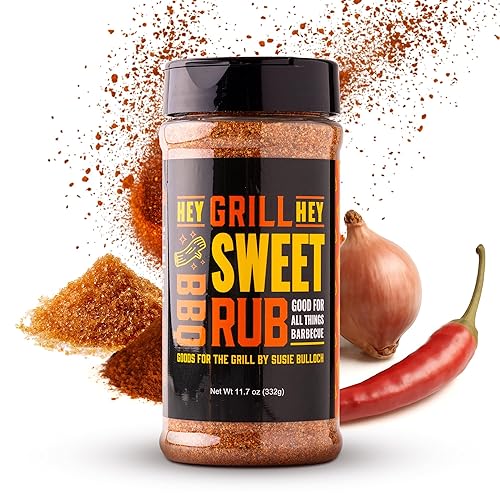
Apply a binder such as yellow mustard or hot sauce, which helps the rub stick. Season generously with a pork rub, covering both sides, and let the rack rest at room temperature for 30 to 45 minutes. You can also refrigerate it overnight for deeper flavor.
Set Up the Pellet Grill for Smoke
Set the grill to 225°F to 250°F for low-and-slow cooking. Use a mild hardwood pellet such as apple, cherry or hickory, and keep the hopper topped off so the smoke stays steady. Preheat with the lid closed for 10 to 15 minutes until the grate temperature stabilizes.
Place the ribs bone side down on the grate, meat side up, with space between racks for airflow. Insert a probe thermometer into the thickest part of the meat, away from bone, so you can track progress without opening the lid often.
Cook, Wrap and Finish the Ribs
A common approach is the 3-2-1 method: smoke unwrapped for 3 hours, wrap in foil with a splash of apple juice or butter and brown sugar for 2 hours, then unwrap and sauce for the final 1 hour. Many cooks prefer this timing for spare ribs, while baby backs often need less time overall. Adjust based on how the meat looks and feels, not just the clock.
Ribs are typically done between 195°F and 203°F internal temperature, with the meat pulling back from the bone about a quarter inch. A toothpick should slide into the meat with little resistance. Rest the rack for 10 minutes before slicing so the juices settle.
Quick Checklist
- Remove the membrane and trim the rack.
- Apply binder and a generous pork rub.
- Preheat the pellet grill to 225°F to 250°F.
- Smoke bone side down for about 3 hours.
- Wrap with liquid and fat for about 2 hours.
- Unwrap, sauce if desired, and cook until done.
- Rest 10 minutes before cutting.
Common Mistakes to Avoid
- Skipping membrane removal, which leaves a chewy layer on the back of the rack.
- Cooking too hot, which tightens the muscle fibers and dries out the meat.
- Opening the lid constantly, which drops the temperature and extends cook time.
- Saucing too early, since sugar in sauce can burn over long cooks.
- Cutting immediately, which lets juices run onto the cutting board.
Recommended Gear
A reliable instant-read or leave-in probe thermometer makes checking doneness far easier than guessing by appearance. View on Amazon
Heavy-duty aluminum foil keeps wraps from tearing and holds in moisture during the middle stage. View on Amazon
A tall-sided foil pan lets you wrap ribs without crushing the bark. View on Amazon
If you are still deciding how to approach the cook, these related guides may help: Ribs on a Pellet Grill: A Step-by-Step Guide to Tender Results, Wood Pellet Grill Ribs: Step-by-Step Guide to Tender 3-2-1 Results, and Pellet Grill Ribs 3 Hours: How to Get Tender Results Fast for a quicker timeline. For a seasoning option, see Ultimate BBQ Pork Rub Recipe: Step-by-Step for Ribs and Shoulder.
FAQ
Should I use the 3-2-1 method for pellet grill pork ribs?
The 3-2-1 method is a solid starting point for spare ribs, but it is not required. Check tenderness and bone pull instead of relying only on the timeline.
What temperature should pork ribs reach on a pellet grill?
Most cooks aim for 195°F to 203°F internal, where the meat is tender without falling apart. Baby backs may finish a little earlier.
Do I need to wrap pork ribs in foil?
Wrapping speeds the cook and keeps the meat moist, but unwrapped ribs develop a firmer bark. Wrapping is a matter of preference and timing.
Conclusion
Cooking pellet grill pork ribs comes down to prepping the rack, holding a steady low temperature and judging doneness by feel. Start with a mild wood and a simple rub, then adjust your timing after your first cook. With practice, the results will be consistently tender and smoky.
Related reading
- Pork Shoulder on Pellet Grill: A Step-by-Step Guide for Juicy Pulled Pork
- Pellet Grill Pork Steak: A Step-by-Step Guide for Tender Results
- Pellet Grill Pork Butt: A Step-by-Step Guide to Juicy Pulled Pork
Ready to choose one?
About Miles Sinclair
Miles Sinclair is part of our editorial team and reviews and edits our BBQ & grilling guides, checking product details against manufacturer specifications and owner feedback.