 By Claire Whitaker
Updated November 2026
A good bbq rub pork tenderloin seasoning builds a dark, savory crust while keeping the meat moist inside. This guide covers how much rub to use, how long to let it sit, and how to cook the tenderloin so it stays juicy. Because tenderloin is lean and cooks fast, the rub and the heat both need to be handled with care.
Choose the Right Rub for Pork Tenderloin
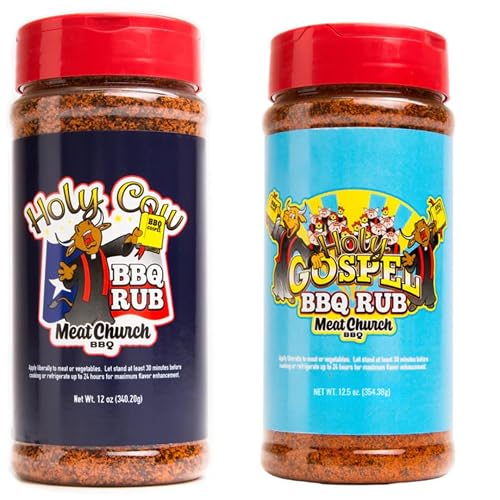
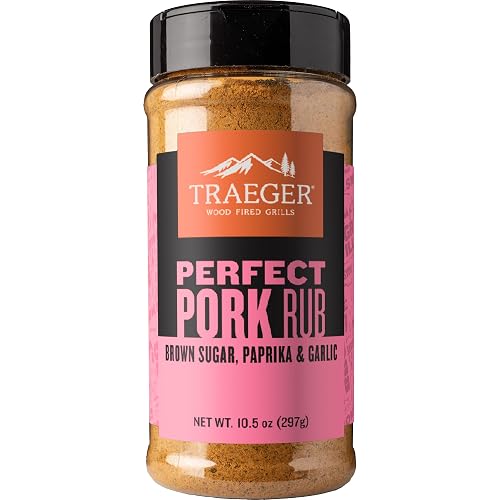
Tenderloin has a mild flavor, so pick a rub with a balance of sugar, salt, and smoky spice. Brown sugar helps caramelize the surface, while paprika and garlic add depth without overpowering the meat. Avoid rubs that are mostly salt, since a thin cut like tenderloin can turn briny fast. If you want ideas, see 5 Best BBQ Pork Tenderloin Dry Rubs for Juicy Results (2026) for a comparison of popular options.
Rubs labeled for ribs or brisket often contain coarse, sugary blends that can burn over the high heat tenderloin needs. A rub written for pork in general, or a lighter all-purpose BBQ blend, usually works better here.
Prep and Season the Tenderloin
- Trim any silver skin and excess fat. Pull off the thin membrane with a sharp knife, angling the blade under it.
- Pat the meat completely dry with paper towels. Moisture stops the rub from sticking.
- Brush a thin layer of olive oil or yellow mustard over all sides. This acts as a binder.
- Apply about 1 teaspoon of rub per pound of meat, pressing it into the surface with your palm.
- Rest the seasoned tenderloin at room temperature for 30 minutes, or refrigerate it uncovered for up to 4 hours.
Resting time matters. Under an hour, the rub mostly sits on the surface. Longer than four hours, the salt can start drawing out moisture and making the texture firm, so keep the window tight.
Cook the Tenderloin with Heat Control
Set Up Your Grill or Smoker
Target a cooking temperature of 225°F to 275°F for gentle smoke, or 400°F to 450°F for a faster grill finish. Indirect heat is the safer choice, since tenderloin can dry out before the surface browns.
Monitor the Internal Temperature
Pull the meat when the thickest part reaches 140°F to 145°F, then rest it for 10 minutes. USDA guidance lists 145°F as the safe minimum for whole cuts of pork, with a three-minute rest. Using a reliable instant-read thermometer makes this much easier than guessing.
Common Mistakes to Avoid
- Skipping the dry step, which leaves a patchy, wet crust.
- Using too much sugar-heavy rub, causing the outside to scorch before the center cooks.
- Overcooking past 150°F, which turns the meat dry and chalky.
- Slicing immediately, which lets the juices run out onto the board.
- Seasoning too far ahead, so salt pulls moisture from the meat.
Recommended Gear
- Instant-read digital thermometer: Quick readings help you pull the tenderloin at the right moment, which matters most with lean meat. View on Amazon
- Silicone basting brush: Spreads oil or mustard evenly as a binder and is easy to clean. View on Amazon
- Heat-resistant grill gloves: Make it easier to move a hot tenderloin and adjust coals or burners safely. View on Amazon
FAQ
Can I use a store-bought rub for pork tenderloin?
Yes. Many commercial blends work well, especially ones with a balance of sugar and smoky spice. Check the salt level and use a lighter hand if the blend is heavily salted.
How long should I let the rub sit on pork tenderloin?
Thirty minutes at room temperature is enough for flavor to penetrate the surface. You can refrigerate it uncovered for up to four hours, but longer can make the texture firm.
What internal temperature should pork tenderloin reach?
Pull it at 140°F to 145°F and let it rest for 10 minutes, which brings it to a safe 145°F. Check with a thermometer rather than relying on color.
Conclusion
A well-chosen bbq rub pork tenderloin seasoning, applied to dry meat and cooked with controlled heat, gives you a crust and a juicy center. Keep the rub level moderate, rest the meat before slicing, and rely on a thermometer. With those basics, you can adjust flavors to suit your taste.
Related reading
- Weber Kansas City BBQ Rub: How to Use It for Ribs, Brisket and Pork
- Ultimate BBQ Pork Rub Recipe: Step-by-Step for Ribs and Shoulder
- Spicewalla Hot Honey BBQ Rub: How to Use It on Ribs, Pork and Chicken
- Operation BBQ Relief Sweet and Smoky Rub: 6 Best Picks for Ribs and Pork (2026)
Ready to choose one?
About Claire Whitaker
Claire Whitaker is part of our editorial team and reviews and edits our BBQ & grilling guides, checking product details against manufacturer specifications and owner feedback.